Plans to connect the Algarve by rail to Spain and extend the A22 motorway to Vila do Bispo are among the main goals outlined by José Apolinário, president of the Algarve’s Regional Coordination and Development Commission (CCDR Algarve), for the next four years.
The proposals form part of Apolinário’s programme for a new mandate, ahead of the January 12 elections which will determine the leadership of Portugal’s five mainland CCDRs until 2030, reports ECO/Local Online. With support already guaranteed from both PS and PSD, Apolinário is a shoo-in for the position.
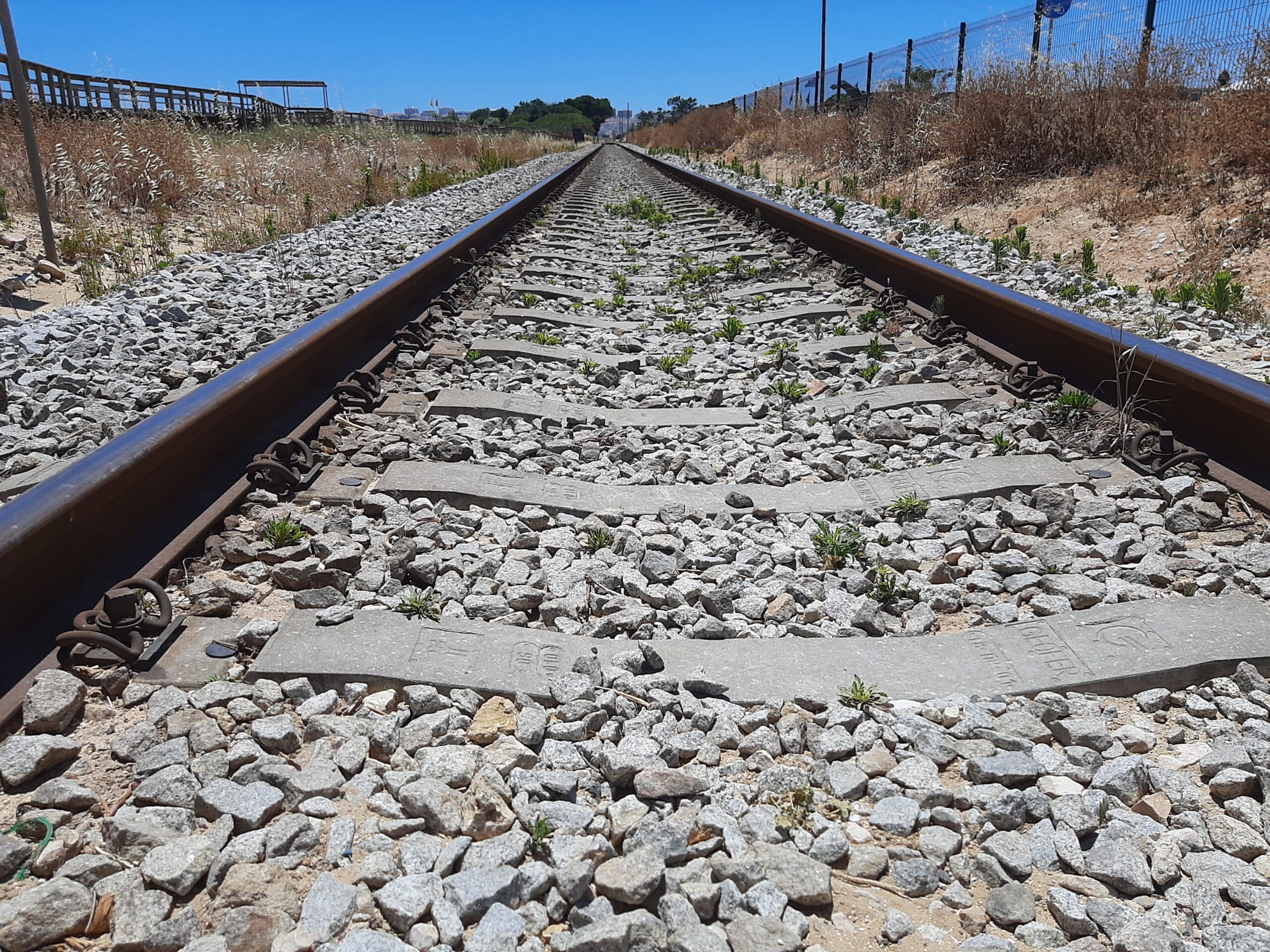
Among the flagship transport projects included in the programme is a rail link from the Algarve to Huelva, with onward connections to Seville and Spain’s high-speed AVE network – a project mayors on both sides of the border continue to push for – as well as the long-discussed western extension of the Via do Infante (A22) from Bensafrim to Vila do Bispo, with a link to Aljezur. The A22 motorway currently connects Vila Real de Santo António in the east to Lagos in the west, leaving two Algarve municipalities – Vila do Bispo and Aljezur – without a direct link to the motorway.
Apolinário also wants to see progress on the electrification of the Algarve railway line, the arrival of new trains to replace ageing diesel units, and the development of the already announced Metrobus system linking Faro, the airport, the University of Algarve, Loulé, Olhão and the Parque das Cidades.
In terms of healthcare, the current head of CCDR Algarve wants to see the long-delayed Algarve Central Hospital planned for Parque das Cidades in Loulé move forward, as well as a regional public oncology service, led by an oncology centre in Loulé, that will provide an answer to cancer patients who currently have to seek care many hundreds of kilometres away in Lisbon or Seville.
Other priorities include affordable housing, a digital innovation building in Faro, stronger cooperation with Andalusia, business incubation infrastructure, positioning the Portimão port as a cruise stop and overseeing the opening a new University of the Algarve campus in Portimão, Apolinário told ECO/Local Online.
There will also be a focus on new environmental goals, with proposals to improve navigability of the Arade river and introduce coordinated management plans for the Ria Formosa, Ria de Alvor, Costa Vicentina and Castro Marim wetlands and estuaries.
The CCDR boss argues that the commission should play a more active role in shaping regional investment policy and defends greater oversight by municipal assemblies in monitoring funding programmes agreed with central government.
Apolinário, who has led the CCDR Algarve since 2020, says the commission has built trust with municipalities and regional partners “regardless of political affiliation”, reinforcing his view of the Algarve as a “singular region” within Portugal.