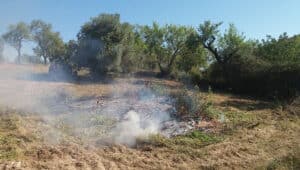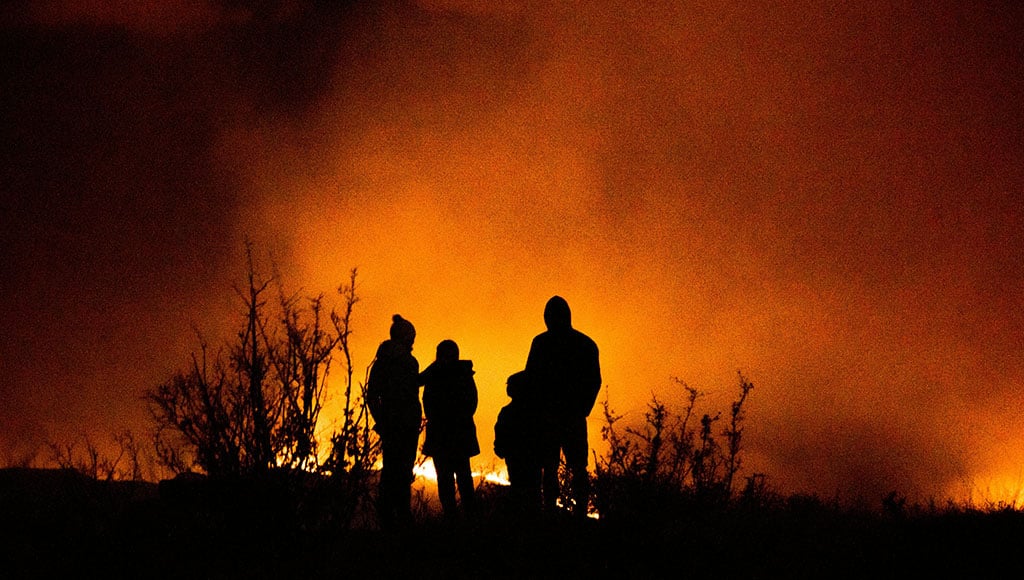
Over 98% of rural fires have a human cause, and much of this is through negligence. It is therefore incumbent upon all of us to ensure we avoid any act that can cause a fire.
We start this feature by the need to understand fire risk, as by doing so, we can be more prepared and avoid actions that may lead to a fire.
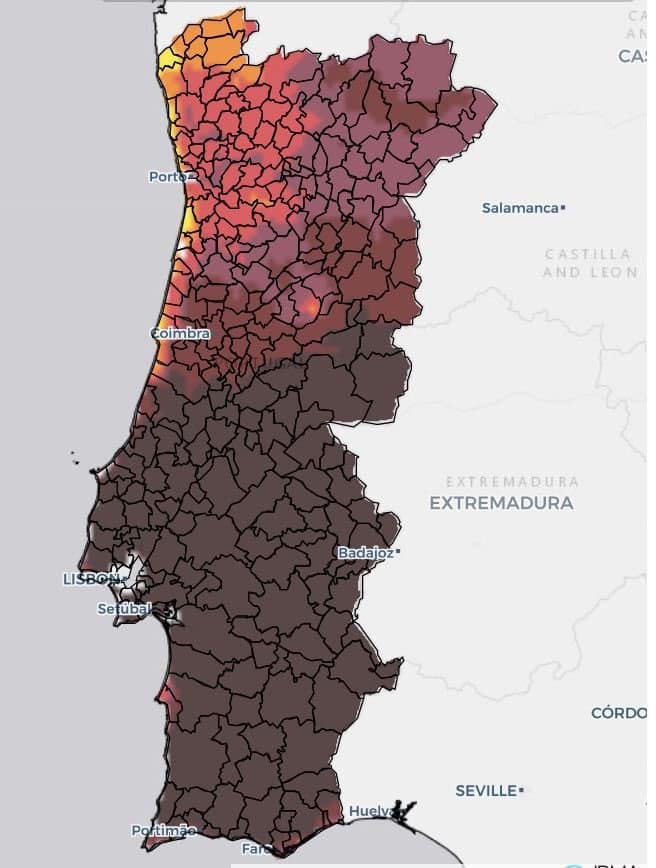
We do not need to search far to find out the risk in our municipality, as this is published each day by IPMA, showing a map with risk in each municipality from: low (green), yellow (moderate); orange (high); red (very high) and brown (maximum). Studying this in conjunction with the restrictions informs you on what actions are prohibited, commensurate with the risk.
In addition, there is also the Fire Weather Index (FWI), which is a model-based index used worldwide to estimate fire danger. It indicates intensity of potential fires by combining the rate of fire spread with the amount of fuel being consumed, taking into account temperature, relative humidity, wind speed, precipitation, drought conditions, fuel availability, vegetation characteristics and topography.
‘Critical’ fires are defined as those covering an area greater than 10,000 ha and are challenging to extinguish until air temperatures fall and precipitation increases. They are typically associated with ‘extreme’ fire danger, which is an FWI of over 50.
This map is also available on the IPMA website for five days ahead, and we at Safe Communities publish this daily during the higher-risk periods.
Interestingly, the major fires of 2017, the Castro Marim and Odemira fires in 2021 and the Gambelas fire of 2022 all started when the FWI exceeded 50. Therefore, by understanding the risk, maps can forewarn and enable us to take extra care in preventing fires.
Avoiding the burning of cut and piled waste
One of the biggest causes of rural fires is allowing the burning of cut and piled waste and extensive burns to become out of control, or undertaking these without prior registration or approval.
In the latter cases, this is classified as a fire and, last year, over half of all fires fell into this category. Given the prevailing situation, we advise not to burn cut and piled waste in such conditions.
In any case, from June 1, approval is required from the municipality for the burning of cut and piled waste regardless of risk (unlikely to be given).
Some regions such as Coimbra and individual municipalities in the Algarve have started to issue blanket bans for such burns, a similar situation to last year, which we welcome. Check the local municipal rules, as they supersede the general rules published regularly.
If you do undertake burning of cut and piled waste after seeking approval, it is essential to ensure that all the safety guidelines are followed. The burning of such waste, without authorization and without the monitoring defined by the local authority, is considered intentional use of fire.
Use of motorized gardening equipment
Now that the deadline for land cleaning has been extended until June 15, and the fire risk has increased considerably over the last week, it is important to know the law when it comes to the use of motorised gardening equipment.
On “very high” or “maximum” risk days, it is prohibited to carry out work using strimmers (with the exception of those using heads with non-metallic devices, for example nylon thread), scrub-clearing machinery and shredders, all equipment with exhaust pipes without flame-retardant equipment/flame arrestors, cutting equipment such as chainsaws or grinders, or the operation of mechanical methods which, in their use on natural or artificial materials, may generate sparks or heat. From sunset to 11am, the use of strimmers, chainsaws and cutters is allowed, although a fire extinguisher should be at hand. Applicable in rural areas.
On the other days of lower risk, there are no restrictions on the use of machinery. However, we advise the adoption of the following safety measures to reduce the risk of fires:
- Avoid refuelling where there is vegetation that may ignite – do this in cooler areas away from vegetation;
- Fuel should be kept well away from areas of vegetation;
- Do not leave equipment running unattended;
- Ensure the machinery is well maintained and in a good state of repair;
- Wear protective goggles;
- Do not smoke whilst undertaking such work;
- Always have a water supply close by and preferably do not undertake such work alone.
In extreme heat conditions, advice is to refrain from the use of such machinery both from the risk of fires and also to avoid dehydration, exposure to UV and other health risks.
What else can I do?
Prevention starts by knowing the restrictions in place. In municipalities where there is a “very high” or “maximum” level of rural fire risk the following applies: a) It is not permitted to launch balloons with lit fuses or any type of rockets; b) the use of stoves and barbecues, unless used in places designated for this purpose is prohibited; c) Fumigation or disinfection actions in apiaries that involve the use of fire are prohibited; d) Smoking or making fires of any kind is prohibited in rural areas or on the roads that border or cross them.
However, some prevention steps may not be too obvious as those who attended a large festival in Castelo de Vide in Portalegre in 2016 found to their cost, when a fire spread through the parking lot near to the festival, completely destroying 422 vehicles and damaging a further nine. They were parked on dry grass. Luckily, there were no human casualties.
If the vehicles had not parked on dry grass, the fire would unlikely have started or spread. Stopping or parking a car or truck with a hot exhaust system in tall grass or over shrubs can start fires. This may not only destroy your vehicle but may also start a wider fire. Do not park where vegetation is touching the underside of your vehicle.
This is particularly relevant to off-road vehicles and operators should take special care of routes they choose and where such vehicles park. This will also avoid any oil leakages, etc, dripping onto dry vegetation. As the year progresses, grass and shrubs are becoming dryer, so the risk increases.
These are just a few of the actions we can take.