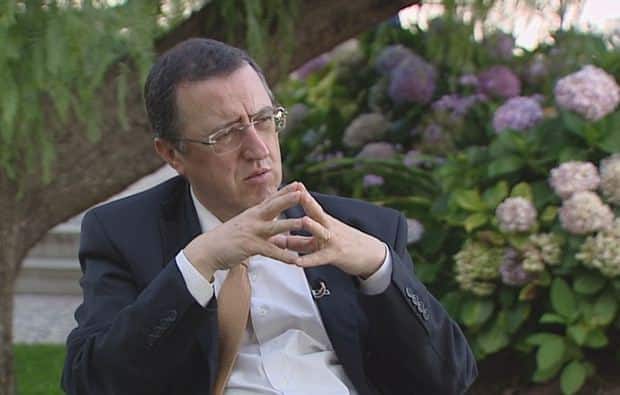
With corruption very much back in the public eye as presidential hopefuls go head-to-head over it, former ‘superjudge’ Carlos Alexandre has been hired to lead a new commission to weed out frauds in the country’s beleaguered SNS health service.
The SNS budget of over €1.3 billion has failed to tackle even the most basic failings in state healthcare. Only two days ago, Euro MP João Cotrim de Figueiredo presented his bid for the presidency, saying: “The SNS is corrupt”, and ‘corruption is putting democracy at risk’.
Last night, the explosive debate between rivals for the presidency André Ventura and Luís Marques Mendes equally focused on the ‘cancer’ of corruption that is constantly being called out in this country, but seemingly continues to flourish.
Alexandre’s appointment is thus billed as designed to “stop waste, illicit financing and crimes” that the government believes have cost the health system “hundreds of millions of euros”. He will have a mandate of three years, with a salary of “around €6,100 per month”, writes Expresso, picking up its story from an exclusive by Jornal de Notícias, suggesting the government is hoping to ‘save’ in that time “around €800 million”.
“According to JN, the new commission will have the capacity to analyse complex cases, articulate with IGAS (the general inspectorate of health activities), PJ, Public Prosecutor’s Office and other entities, as well as issue legislative recommendations,“ says the paper.
The choice of Alexandre carries, in itself, “symbolic weight”, Expresso explains. “Carlos Alexandre became one of the most recognised and controversial figures of the magistrature after leading cases with enormous political and media impact”. These cases included Operation Marquês (which arrested former prime minister José Sócrates for suspected corruption/ cronyism), the BES case (again ostensibly involving complex frauds), Monte Branco (ditto), Face Oculta (a slew of condemnations), and others.
In choosing Carlos Alexandre for this mammoth undertaking, the government “wants to demonstrate control, rigour, and capacity for response in a system marked by waste and weaknesses in supervision”, the paper concludes.
Source: Expresso, citing Jornal de Notícias