Whether we are overdoing it at the gym or on the padel court, or simply overworking in the garden or at the office desk, muscle and tendon strains are not necessarily caused by an intense exertion or a major trauma, just too much of a small, repetitive movement.
On the other hand, too little exercise can lead to metabolic and cardiovascular problems related to a sedentary lifestyle, such as high blood pressure, diabetes and weight issues.
Even our daily habits of too much texting or scrolling on our phones can lead to tendinitis of the thumb and the aptly-named ‘text neck syndrome’. However, too little texting could be a signal of social deprivation and there is clear evidence that loneliness and lack of social or inter-personal interactions is a contributing factor to premature death in the elderly.
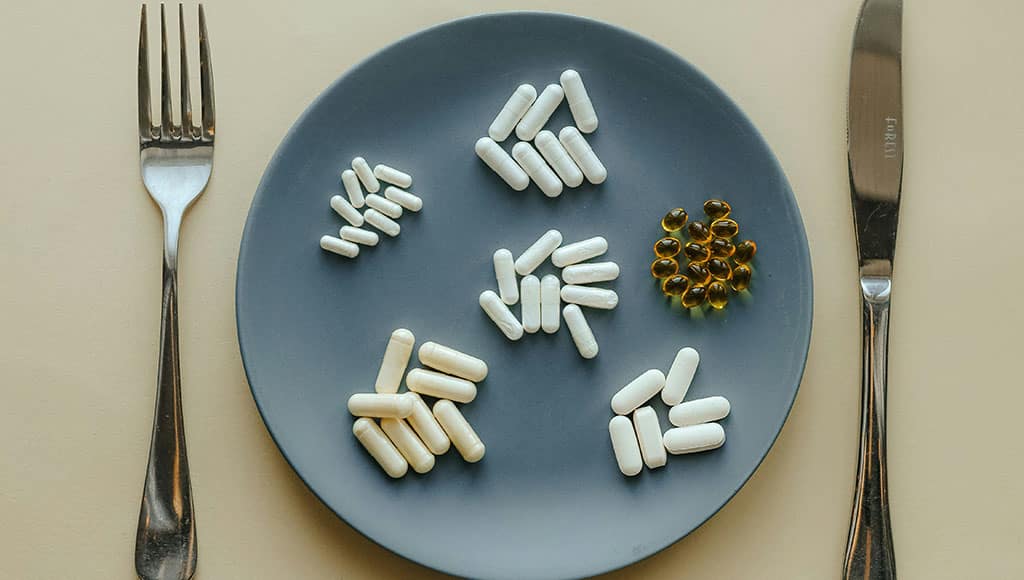
The same goes for medications and supplements – neither underdosing nor overdosing will lead to the desired effect of the drug.
A question we often get asked is: “Doc, what supplements should I be taking and how much?” And just like in any other field, it cannot be answered definitively without doing some due diligence and specific checks and balances, which, in medical speak, amounts to “let’s do some blood tests and exams”.
Generally speaking, as long as we eat a healthy, balanced diet without excessive preservatives and minimal processing, there should not be a need for extra supplementation.
Of course, there are specific medical conditions which may lead to poor or non-absorption of some elements, and some will even manifest themselves as a sudden compulsion to eat a certain food. A classic example would be something called “pica” , where patients (often pregnant women) would develop a sudden craving for eating dirt, ice or paper due to an iron-deficiency anaemia.
By checking vitamin and mineral levels, we can also help identify possible underlying causes of even seemingly unrelated conditions, such as poor balance with low vitamin D and possible fibromyalgia in cases of generalised joint and muscle pains with low folic acid levels.
Poor vitamin absorption can also be caused by certain prescription medications. For example, long-term use of proton pump inhibitors (commonly prescribed for gastritis and stomach ulcers) can block the absorption of vitamin B12, and anti-cholesterol medication can potentially block the absorption of fat-soluble vitamins (vitamin A , D, E, and K).
However, too much of a good thing is also bad. Taking too many vitamins and having excessive levels of them in our system can have detrimental effects on the body. Most of the time, excess vitamins are simply flushed out through the renal and intestinal tracts but, in the process, can still have a negative impact on these systems (cramping, vomiting, diarrhoea and liver damage), as well as on the nervous (tingling, paraesthesia and paralysis) and cardiac systems (palpitations, high blood pressure and heat block).
Other elements apart from vitamins must also be taken into account.
Iron may not be considered a toxic “heavy metal”, but excess levels can be very detrimental to the liver and may indeed be also a marker of chronic liver disease.
Historically, the most infamous heavy metal has been lead. The Romans first introduced lead piping for water systems around 200BC and, incredibly, already then noted possible toxicity issues. But it was not until the introduction of mass water piping to housing in the 1800s that the problem became really apparent.
Slow leakage of lead into the drinking water led to a condition called “plumbism”, affecting the kidneys, brain and nervous system. The most common cure at the time was to go to a spa and “take the waters”. This detox treatment worked by the simple fact that natural spring water at such resorts was transported in ceramic pipes, so, by default, no further lead consumption occurred, and the regular intake of lead-free water did the rest!
So, to answer the original question, “do we need supplements and how much?” Well, the answer is pretty much tailored to each individual, their general metabolism, lifestyle, diet, and current, pre-existing conditions and medications.
There is no one-size-fits-all rule here. That “miracle pill” that worked for your friend may not be your best option. And remember that the supplements and “natural health” industry is still just that … another industry trying to sell you their products, no different to the much-maligned “big pharma”.
So, as in all things in life, do your due diligence and find what is “just right” for you.
Read more article from Dr Joanna Karamon on health: The dreaded jab: from inoculations to vaccines… or To skinny or not to skinny… one jab at a time…