Do you say where you were born, where you lived most of your life, or the place you called home before you left your country? I wonder, when you are inevitably asked this question, what your answer is, and why you respond the way you do. Also, do you think that one day you will ever be able to reply, “I’m from Portugal”?
It may surprise you that, despite growing up in Liverpool, my immediate response to this question is always, “I’m from Wales,” as my family can testify. I often quip, “There isn’t much English in me.” Our family name is ‘Hughes’, a Welsh name; my grandfather on my father’s side was Welsh. My mother’s maiden name, ‘Casey’, is an Irish name, and her grandfather was Irish.
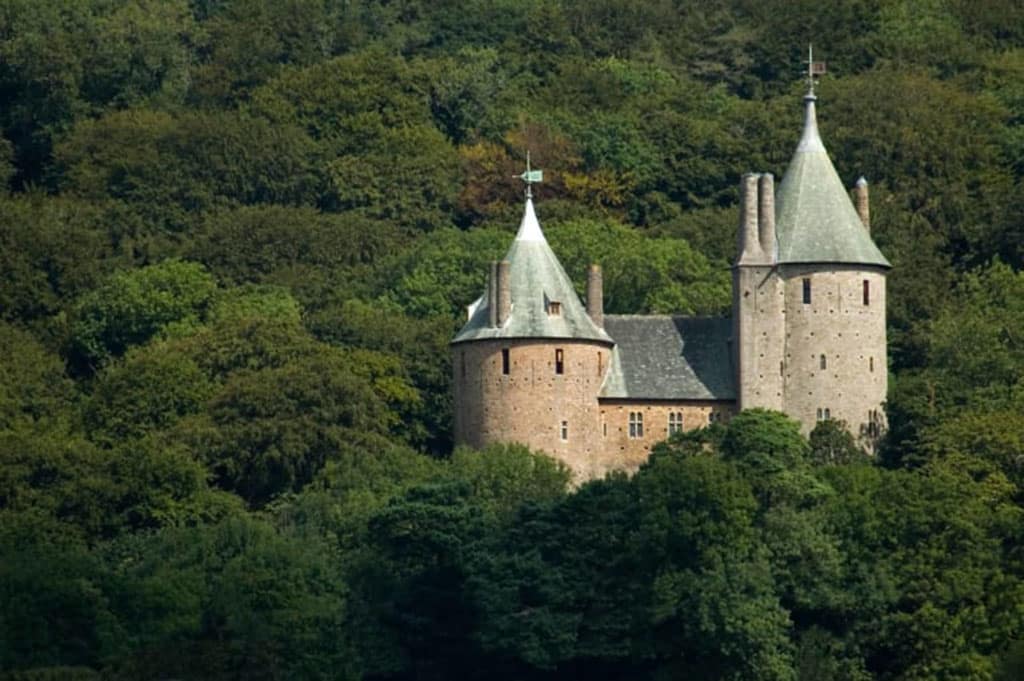
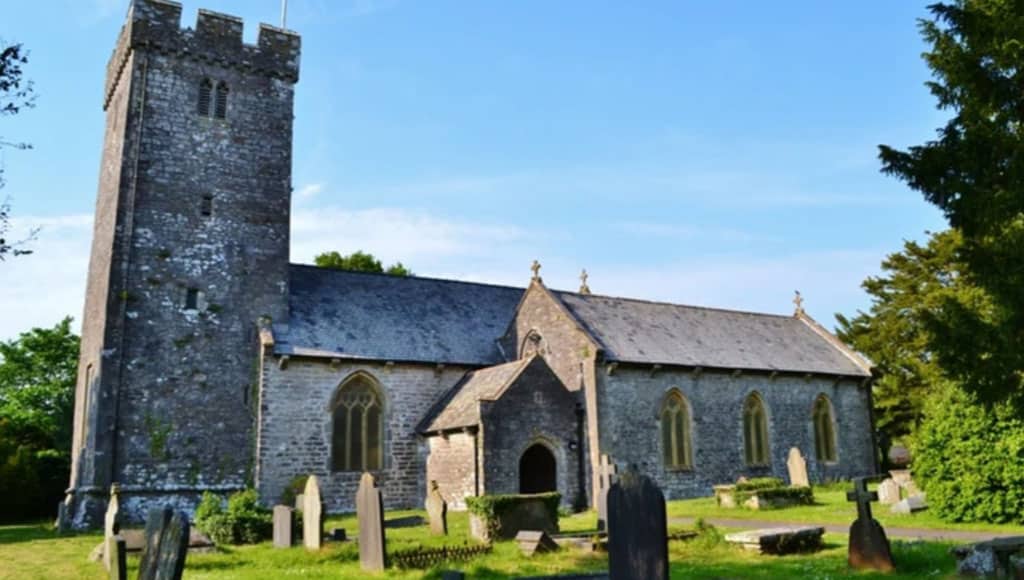
My response is also shaped by the fact that I spent most of my adult life in Wales. Living in a small village without shops or a pub, just a church, I found home. I once met a Welsh rugby player from the Valleys. I met a few of those in my time, but as we say in Wales, “What goes on tour, stays on tour!”
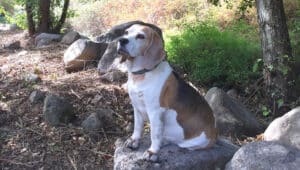
I asked him, “When do you know you are Welsh?” He replied, “When you feel it in your heart.” That’s exactly how I feel about Wales. Beagle Ben and I would spend countless days exploring the Valleys of South Wales, enjoying the ‘Green, green grass of home’.
Back to Portugal. The valley where the farmhouse is located has only a handful of inhabitants. The closest neighbours, Wim and Betty, a Dutch couple. Paulo, a Portuguese friend who helped me work the land, lived in a nearby abandoned building, and beyond that, a Portuguese family.
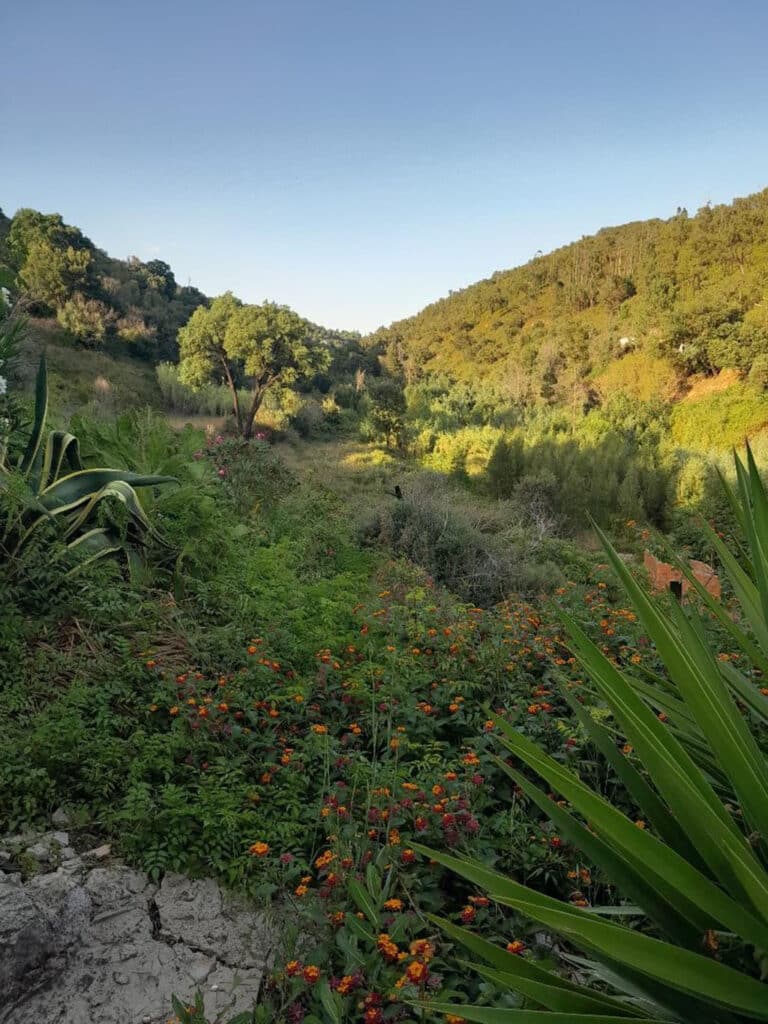
At the other end of the valley, Daniel lived. Readers may remember Daniel from ‘The visitors’ column, a mystic with a habit of arriving unannounced and attempting to hypnotise me. As my neighbour Betty once said, “There may only be a few people living in the valley, but a lot happens here!”
One morning in early February, I was busy doing nothing when the phone rang. At first, there was only silence, then the sound of a gasping breath. The caller ID read Daniel. Through desperate, ragged words, he managed to say, “Something’s happened.” Then a strained, “Please help!” before the line went dead.
I left the farmhouse, ran down the track to Daniel’s house, and found the front door ajar. Inside, Daniel lay on the floor, clutching his chest and groaning in pain. It was obvious he was having a heart attack and needed an ambulance urgently, but I didn’t know the emergency number (note to reader: it’s 112). I called my friend Caroline, who quickly dialled for help and rushed over to join me at the house.
The Bombeiros arrived at the scene, their sirens slicing through the morning air. Daniel was rushed inside the ambulance, and an oxygen mask snapped into place as the paramedics began their work. Suddenly, a paramedic’s voice rang out: “Where’s Daniel’s EHIC?” (European Health Insurance Card – this was pre-Brexit) Stunned, I replied, “God knows!” Then, with insistence, the paramedic said, “We can’t leave without it.”
Caroline and I tore through the house, pulling open drawers, rifling through papers, our search growing more desperate with every second. But the card was nowhere to be found. Breathless, we stumbled back to the ambulance. “We can’t find it!” Caroline exclaimed. At that moment, Daniel, pale and weak, ripped off his oxygen mask and, with a piercing proclamation, said, “It’s in my pocket!” He then fumbled in his wallet and, triumphantly, produced the elusive card. With the precious card finally in hand, the ambulance doors slammed shut, and they roared away towards Faro Hospital.
Caroline kindly took Daniel’s dog and headed to Monchique as it was past her ‘Sauce O’clock’. I strolled back towards the farmhouse, reflecting on what had happened. It was then, out of nowhere, that my neighbour Paulo’s dog ‘Bandito’ appeared, a vicious outlaw of a creature, who clearly hadn’t visited a veterinary practice, received an injection, or taken a bath in its life. With his fanged teeth dripping with saliva, his eyes fixed on me, and with a growling menace, he pounced! I grabbed a stick and motioned it at the bandit. I escaped safely back to the farmhouse.
That afternoon, with the sun shining and wearing short trousers, I visited my neighbours, Wim and Betty, to share the news about Daniel. They said they had heard the sirens and asked me to pass on their get-well-soon wishes. Wim took the opportunity to show me around their beautiful garden. Just as he was pointing out an exquisite, rare flowering plant, it happened!
Bandito had entered the garden to hunt me down, unseen from behind, the dog forced his jagged teeth into the calf of my right leg. I wailed in shock, the pain worsening as its teeth went deeper into my flesh. I tried to shake the animal from my body, but Bandito refused to release its jaws. Wim came to the rescue and pulled the animal from my limb. I escaped unsafely back to the farmhouse.
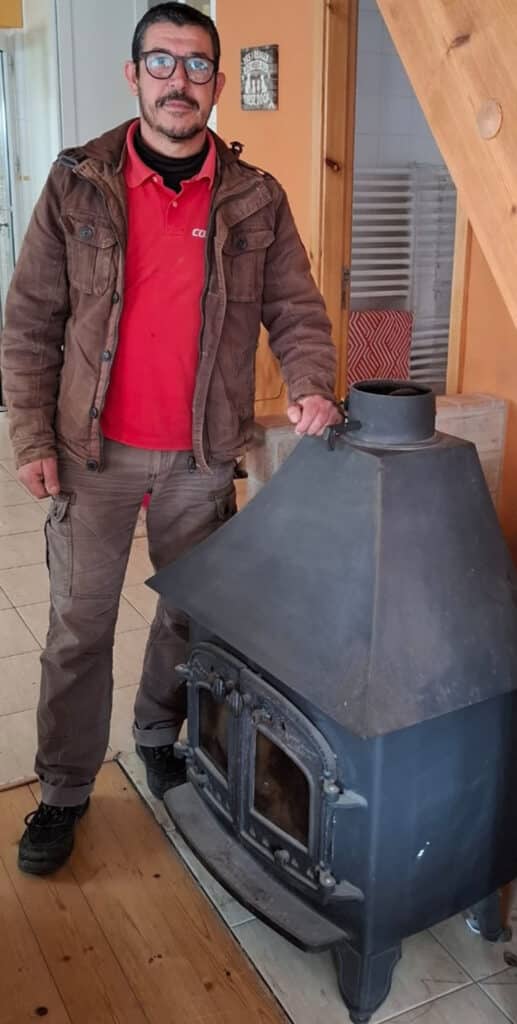
It soon became clear the situation was serious. With blood seeping from my leg, I panicked. So, I called my friend Carlos, who is akin to the third emergency service in Monchique. If you need work done or you find yourself in need of help, who you gonna call? Carlos! From plumbing to building work, from being towed out of a ditch near death, to cutting trees with a chainsaw, ‘like butter’.
Carlos arrived promptly and drove me quickly to the Centro de Saúde (Health Centre). Upon arrival, the receptionist who had issued my Número de Utente (National Health Service Number) just a month earlier remarked, “I didn’t expect to see you back so soon.” I replied, “Neither did I!” I was seen immediately, and after receiving injections and having the wound cleaned, my leg was bandaged up to the knee. The level of healthcare provided was both impressive and appreciated.
However, after a few days, it became clear that Bandito’s saliva had gotten the better of me, and my leg became infected. I’ll spare you the details, as some of you may be squeamish, but when the limb went a strange colour, I feared the worst. Thankfully, with daily visits to the Centro de Saúde to clean the wound together with intensive medication, the infection was eventually cleared.
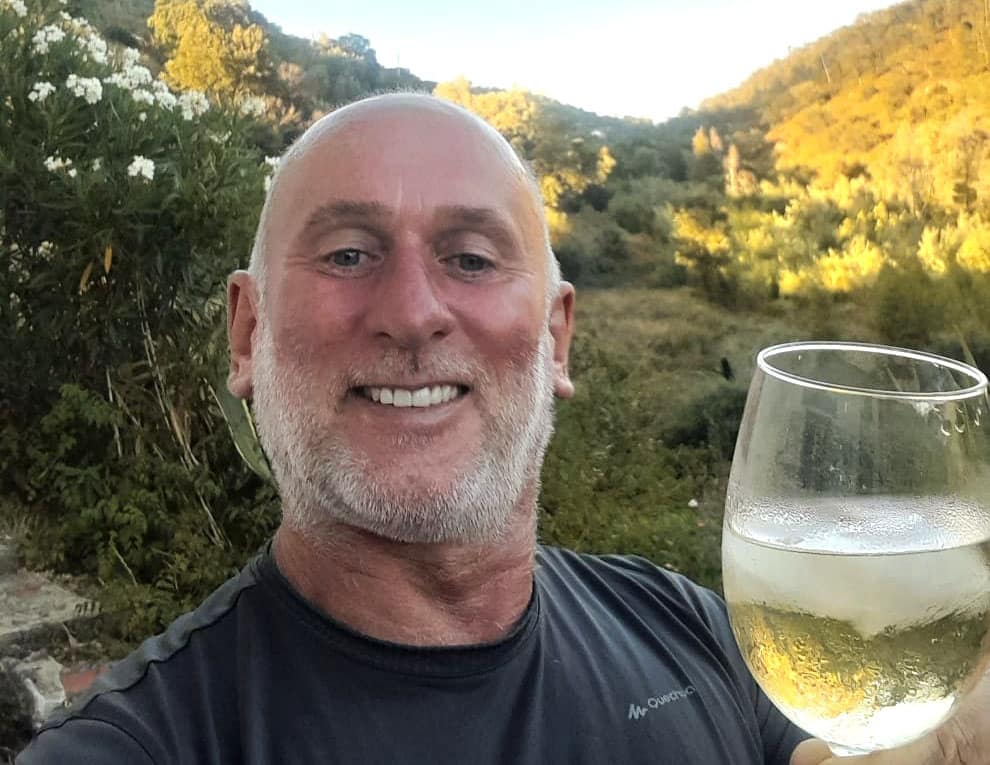
A few weeks later, Carlos came to the farmhouse for a visit. We sat outside on a beautiful late afternoon and celebrated the recovery with beers and wine. We’d never talked about our pasts before. I shared stories about my time in Wales and how that was the place I called home before I left for Portugal. In turn, Carlos told me that he was born in a house just up the hill from the farmhouse. He said that, as a child, he would come down from the family home and play in the stream below where we were sitting. That valley connection immediately became important.
It was then that Carlos asked, with a mischievous yet knowing manner, “You do know where you live?” to which I replied, laughing, “Of course, I know”, and stated the address. Carlos then said, “No, not that, I mean the valley where you live,” I shook my head. Carlos then gave the most astonishing news and said, “The valley where you live is named ‘João de Gales’ (John of Wales).”
Stunned, I asked Carlos to show this on a map, which he did. Whether fate, some cosmic force, or just an extraordinary coincidence, I had moved from the Valleys of Wales to a Valley in Portugal named after someone from Wales, and it made me feel I was home.
In that moment, I realised where I belonged. I decided the next time that inevitable question is asked, “Where are you from?” My reply will be “I’m a Scouser from a Welsh Valley, in Portugal!”
This column is dedicated to the man who lived at the end of the valley, who had a kind heart, whose heart in the end let him down.
Also Read Derek Hughes article A Year in Monchique 3 – Liverpool, Lisboa, London – January 2020