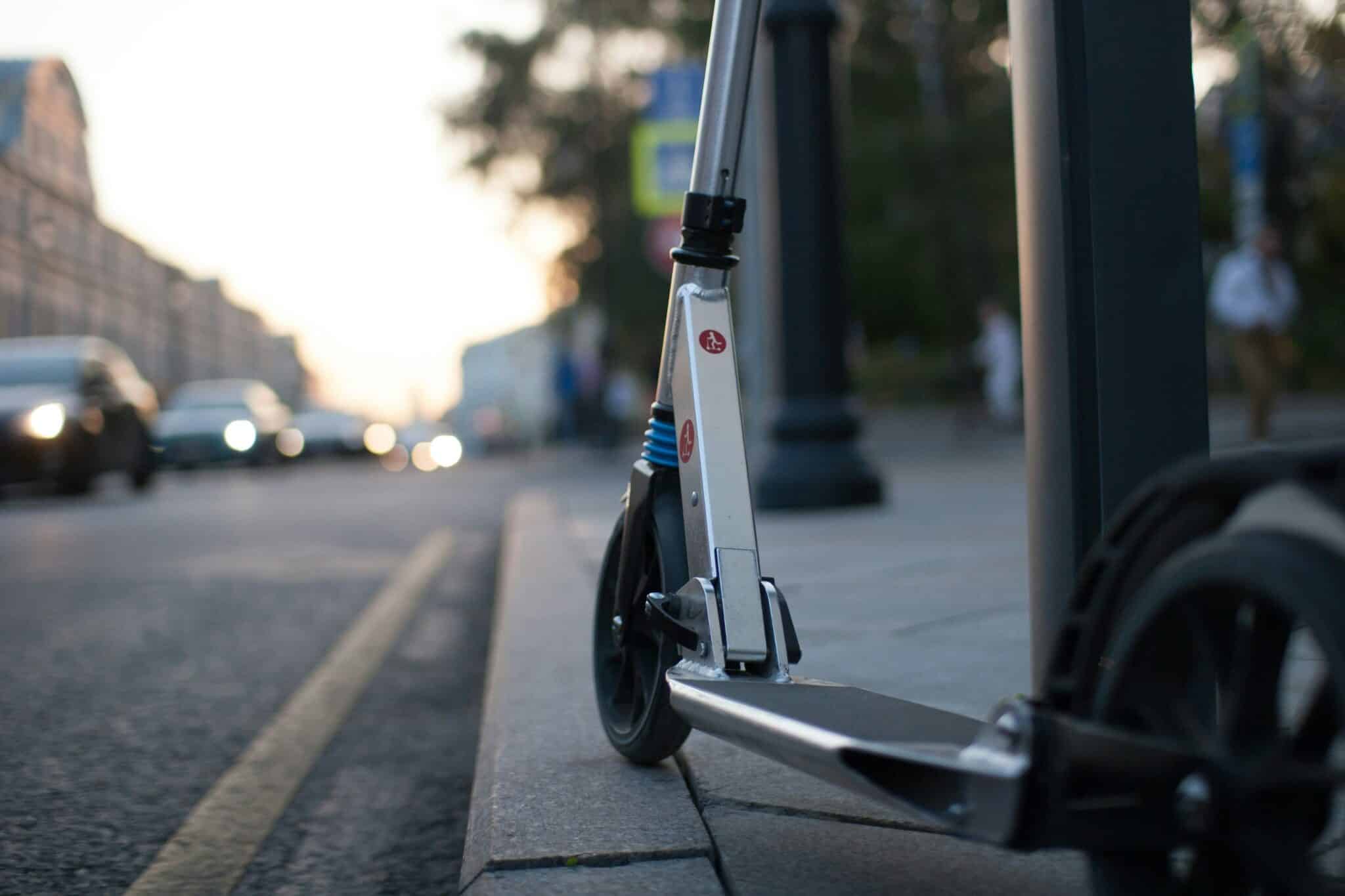
Portugal’s GNR police has raised the alarm over a sharp rise in accidents involving electric scooters and other micromobility vehicles, after more than 1,900 crashes and 10 deaths were recorded over the past seven years.
GNR statistics show that accidents involving micromobility vehicles remained relatively stable until 2021, with fewer than 25 cases reported each year. But the situation has changed dramatically in recent years.
In 2023, the number of accidents jumped to 547. The following year saw the highest figure yet, with 706 incidents recorded.
Although there was a slight decrease between 2024 and 2025, authorities say the numbers remain worrying. By February 28, 2026, a total of 72 accidents have already been reported.
The increase in accidents has also brought serious consequences. Over the past seven years, the GNR recorded 10 deaths linked to electric scooter crashes, including five deaths in 2023 alone.
During the same period, there were also 88 serious injuries and 1,442 minor injuries. The number of minor injuries peaked in 2024, when 548 people were hurt.
Most accidents in Faro and Aveiro
The districts of Aveiro and Faro recorded the highest number of accidents and injuries, both serious and minor. However, Setúbal had the highest number of fatalities, with three deaths reported over the period analysed. Santarém also stood out, with 14 serious injuries registered in the last seven years.
According to the GNR, several factors are contributing to the rise in accidents. These include riding in prohibited areas such as pavements, ignoring road signs and failing to use safety and protective equipment.
In response, the police have been carrying out targeted enforcement operations and awareness campaigns aimed at scooter users, encouraging more defensive and responsible riding.
Recommendations
The GNR also reminded the public that electric scooters are legally treated in the same way as bicycles when it comes to road use. This means riders must follow the rules established in the Highway Code.
Among the recommendations issued by the force are the use of helmets, which, although not mandatory for all scooters, are strongly advised to reduce injuries in case of a fall. Riders are also encouraged to wear reflective clothing and ensure their scooters have white lights at the front and red lights at the rear to improve visibility.
Scooters are not allowed to circulate on pavements and should instead use cycle lanes or, if none are available, the shoulder of the road.
The police also stressed that scooter riders are subject to the same alcohol limits as car drivers. They should avoid sudden manoeuvres, signal changes of direction with an arm and ensure that only one person rides the scooter at a time.
The military police force said it will continue to monitor the use of these vehicles and promoting awareness campaigns to ensure that micromobility develops safely alongside other road users.