At a point where thousands of households are approaching their third week without electricity as a result of damages caused by Storm Kristin, the government has “decided to advance with a new study into adapting the National Electrical System to the effects of climate change”.
The announcement was made by the Ministry of Environment and Energy, which wants conclusions within six months, writes Lusa.
This is effectively another ‘announcement’ at a point where the government’s performance through this ‘climate emergency’ has been found distinctly lacking.
But back to the announcement: this will be “a technical, economical and regulatory study” that seeks to identify the areas most exposed to rural wildfires and extreme weather phenomenon, “and evaluate solutions to reduce these risks – from the reinforcement of overhead power lines to their total, or partial, burying underground – measuring costs, impact on service continuity and effects of electricity tariffs”.
The document stipulates that the study must also present an estimate of investments, priorities and an indicative timeline, as well as possible sources of funding.
As Lusa explains, the decision for this new study follows the effects of Storm Kristin which, at its peak, saw around a million households deprived of electricity (and subsequently water as well).
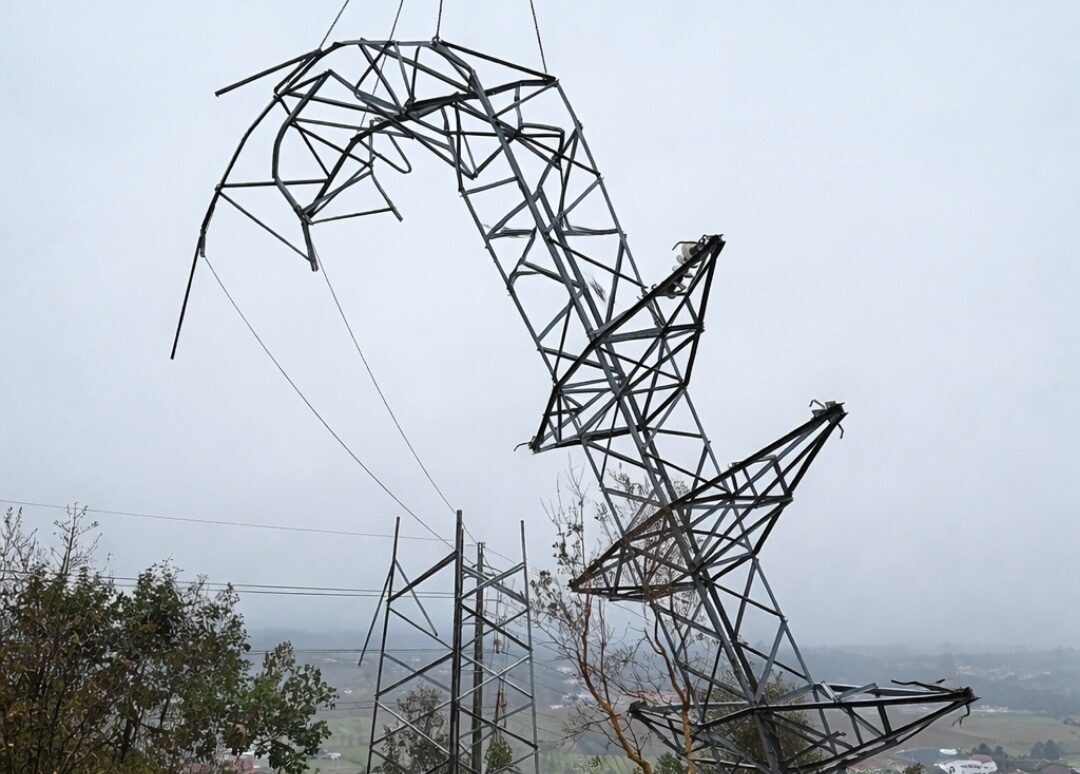
REN – in charge of the national grid – suffered extensive damage in its ‘very high tension’ network, with “hundreds of kilometres of lines affected” and just as many posts blown to the ground.
“For the government, episodes like these demonstrate the urgency in re-evaluating planning criteria, particularly when it comes to the structural robustness of infrastructures, the selective burying of lines in critical areas and the incorporation of resilience metrics into decision-making processes,” says the announcement.
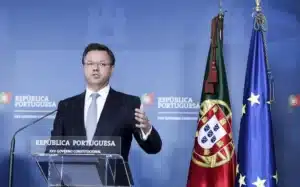
Within the text, minister for environment and energy, Maria da Graça Carvalho, stresses that the planning of electrical infrastructure must guarantee “security, reliability and quality of service”. The country is “obliged to adapt its electricity supply system to present demands and future necessities to avoid disruptions of service and assure safety in supply” – in other words: the country has to do everything to avoid a repeat of the last three weeks.
Lusa concludes that the government has framed this latest initiative in a European context: “recalling that the European Commission recently reinforced funding and regulatory simplification for resilient and smart energy infrastructures through the so-called ‘Grids Package’, which could allow Portugal to attract EU investment to modernise its grid.”
The study is being commissioned by the DGEG (directorate general for energy and geology) and “should also propose adjustment to grid planning instruments, to be integrated into the next cycles of national investment plans”.
Source material: LUSA