The Portuguese government wants to put an end to excessive bureaucracy that has long delayed tourism projects, Minister for the Presidency and State Reform Gonçalo Matias said last week.
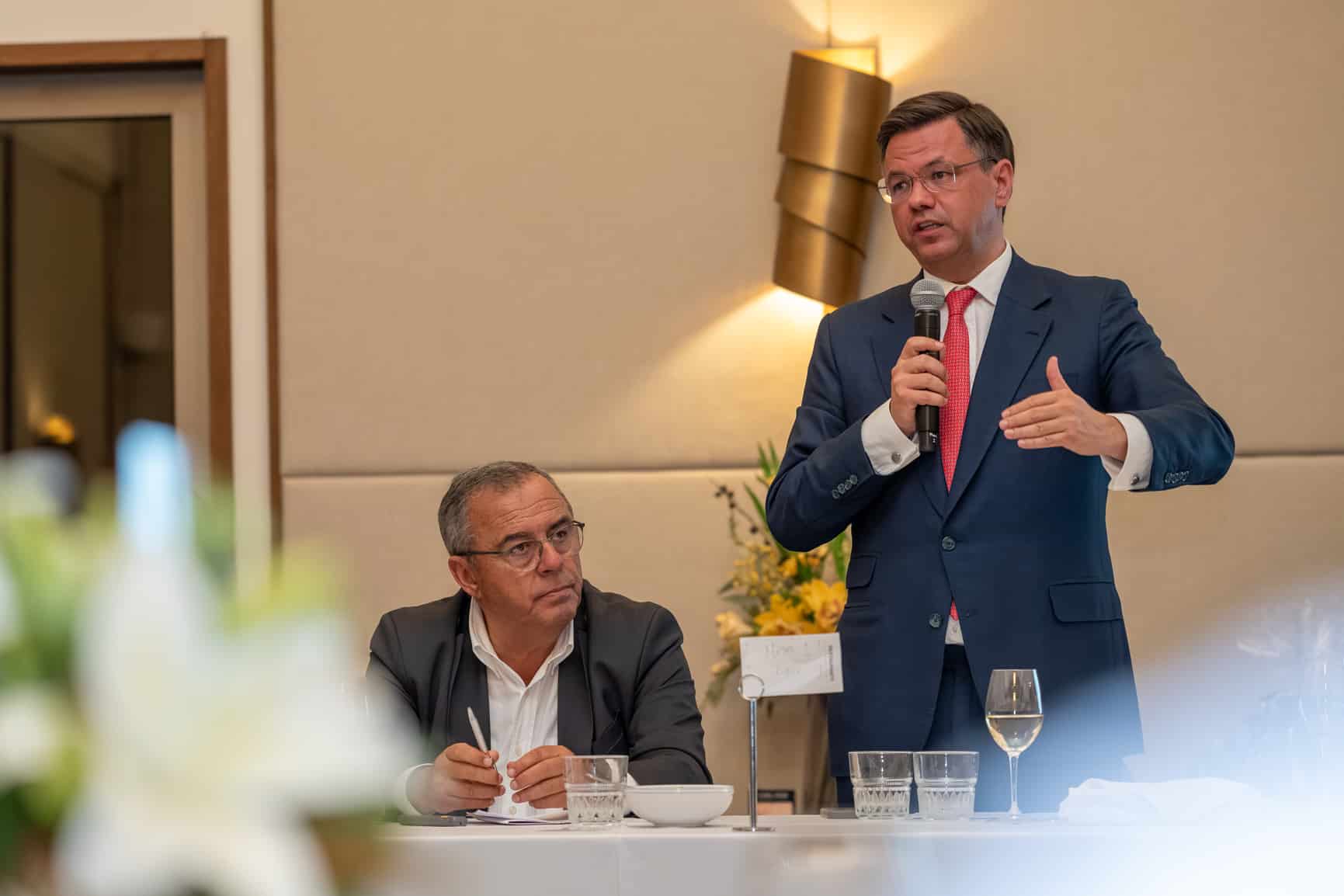
Speaking at an event organised by the Algarve hotelier association AHETA, outlined plans to simplify processes and make them faster for businesses. The meeting, focused on “Reforms and Tourism”, took place at the Viceroy at Ombria Resort in the village of Tôr, in the municipality of Loulé, on March 31.
The session followed an earlier discussion on labour laws and brought together business leaders, local officials and regional authorities.
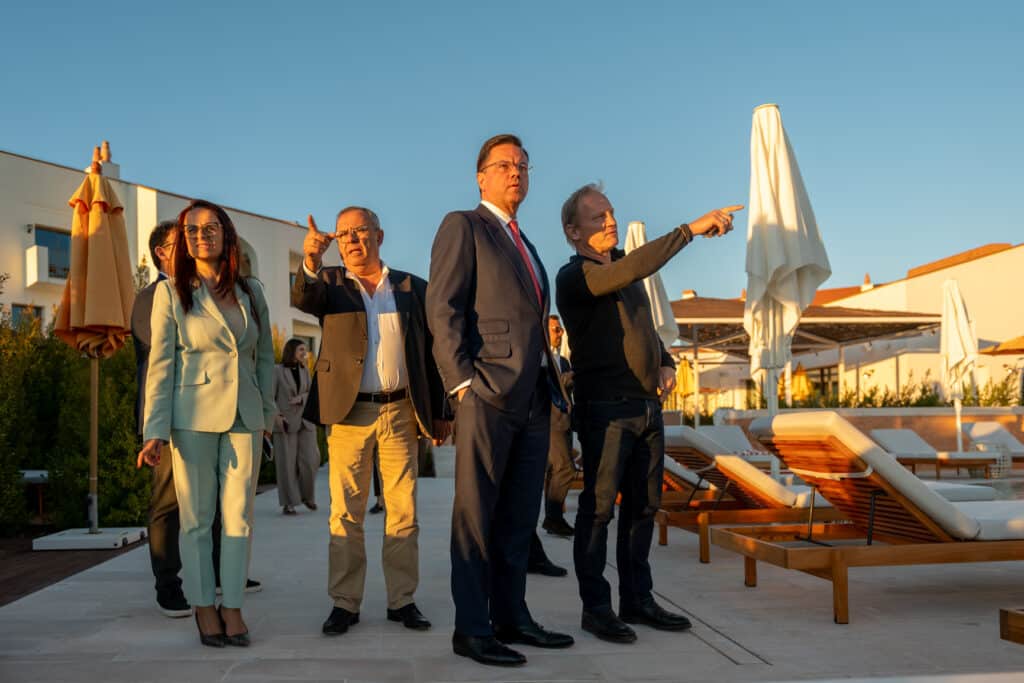
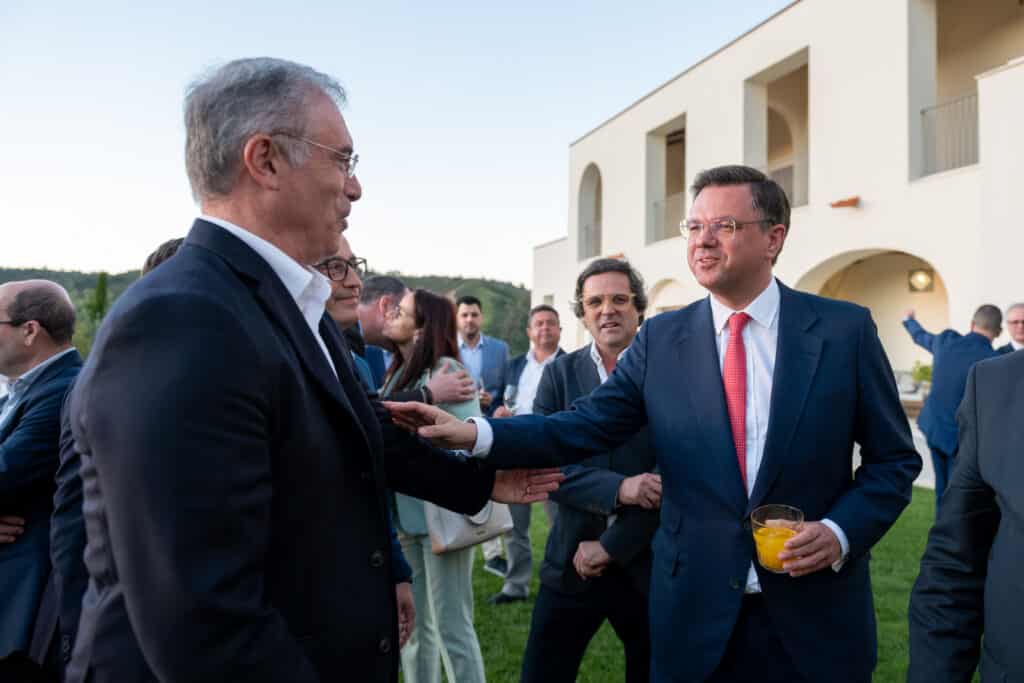
Opening the event, AHETA president Hélder Martins highlighted the challenges of developing tourism projects in the Algarve, especially inland. He pointed to the Ombria Resort as a clear example, noting that planning began in the 1980s but the project only received its opening licence in 2025.
“This is an example that must not be repeated,” he said, calling for faster licensing processes. He added that “we will only be able to attract people to inland areas if there are jobs.”
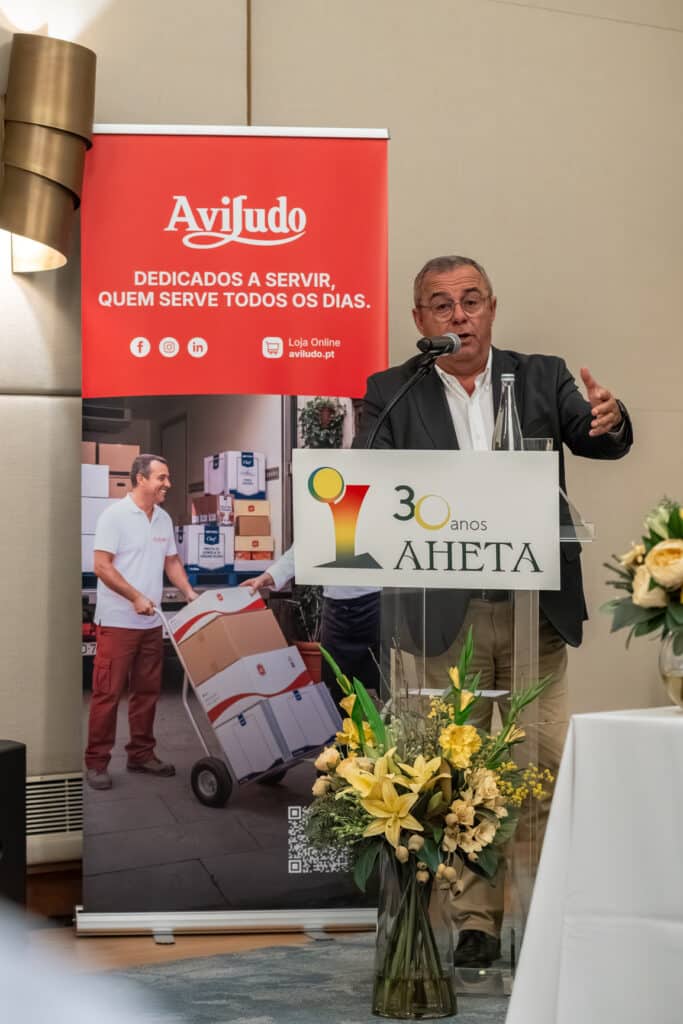
The minister agreed, saying “the country has not been able to take advantage of the opportunities of the last three decades, due to bureaucratic processes that make no sense.”
He argued that Portugal created “an infernal system of prior control, which prevents us from moving forward.”
Matias also warned that outdated rules are part of the problem. “We cannot continue to have outdated regulations and institutions designed for a world that no longer exists,” he said.
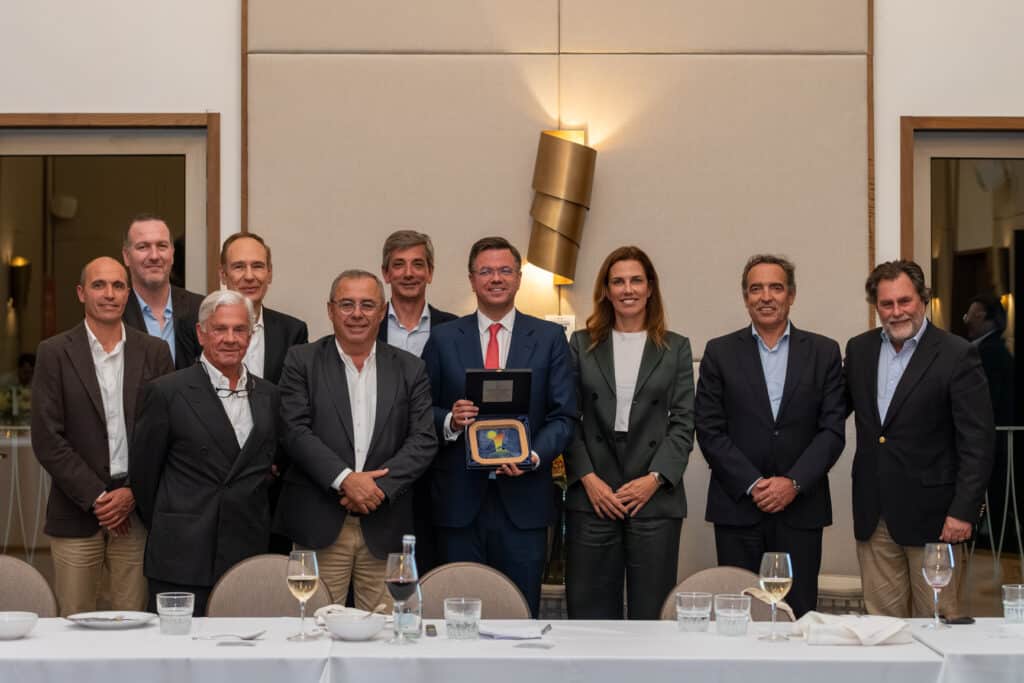
To tackle the issue, the government has set out a strategy based on two pillars: simplification and digitalisation.
One of the key measures already underway is a single, global licensing system using artificial intelligence. Known as “LicencIA”, the platform will allow businesses to submit all project documents in one place.
The minister described the reform plan as “a complete and complex programme” that will deliver “a truly transformative reform” and help create “a more modern country.” He added that success will depend on trust: “It is necessary to trust people and technology.”
The event also included a question-and-answer session, where participants raised concerns and sought clarification on the proposed changes.
According to organisers, it was the most attended AHETA dinner to date, with entrepreneurs, company directors, local officials and representatives from regional development bodies present.
More events of this kind are planned throughout 2026, with details on dates, locations and themes to be announced soon, AHETA adds.