The municipal council of Loulé is preparing to file a complaint over what it describes as an “environmental crime” at the Foz do Almargem and Trafal Local Nature Reserve.
In a statement, mayor Telmo Pinto said he was outraged by actions that he believes are putting the protected ecosystem at risk, including species that are already endangered, such as certain birds, mammals and amphibians.
The latest incident occurred on Tuesday, April 14, when the Almargem lagoon was artificially opened to the sea without authorisation. A similar incident took place earlier on February 9.
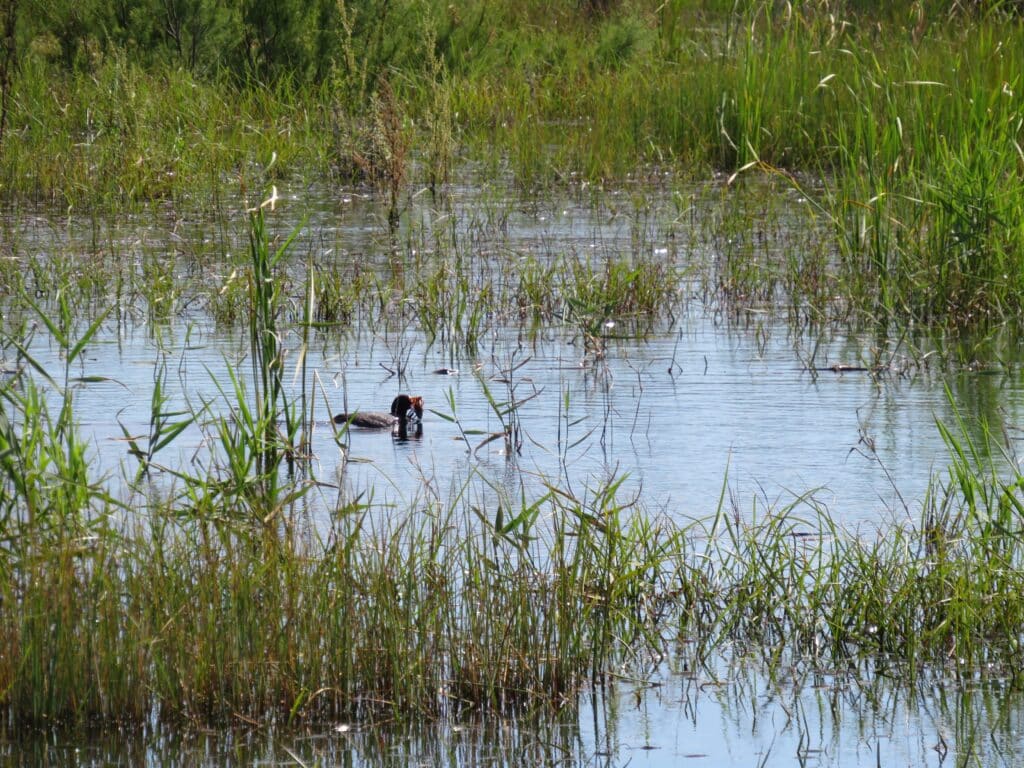
According to the municipality, the timing is particularly concerning as it coincides with the breeding season for most of the area’s wildlife, especially birds. Officials warn that this could affect an entire generation of species that would normally reproduce in the wetland during spring.
Following the February incident, the council had requested increased monitoring from authorities including the GNR and maritime police, as well as municipal services such as nature wardens, civil protection and coastal management teams.
The municipality said it “deeply regrets” what happened and stressed that protecting species and their habitats is a shared responsibility. It also warned that such actions risk disrupting the natural balance of the ecosystem.
The council also noted that opening the lagoon without authorisation from the Portuguese Environmental Agency (APA), the authority responsible for such interventions, constitutes an environmental offence punishable by law.
It confirmed that it is now taking the necessary steps to file a complaint against those responsible – who have yet to be publicly identified.
The Foz do Almargem and Trafal area has been classified as a Local Nature Reserve since 2024 and is largely included in the coastal management plan covering the Vilamoura to Vila Real de Santo António stretch.
The site is home to a wide range of biodiversity, with 329 identified animal species. It also includes 11 natural and semi-natural habitats, including priority habitats such as coastal lagoons and fixed dunes with herbaceous vegetation, as well as at least 18 plant species of conservation interest among a total of 236 recorded flora species.