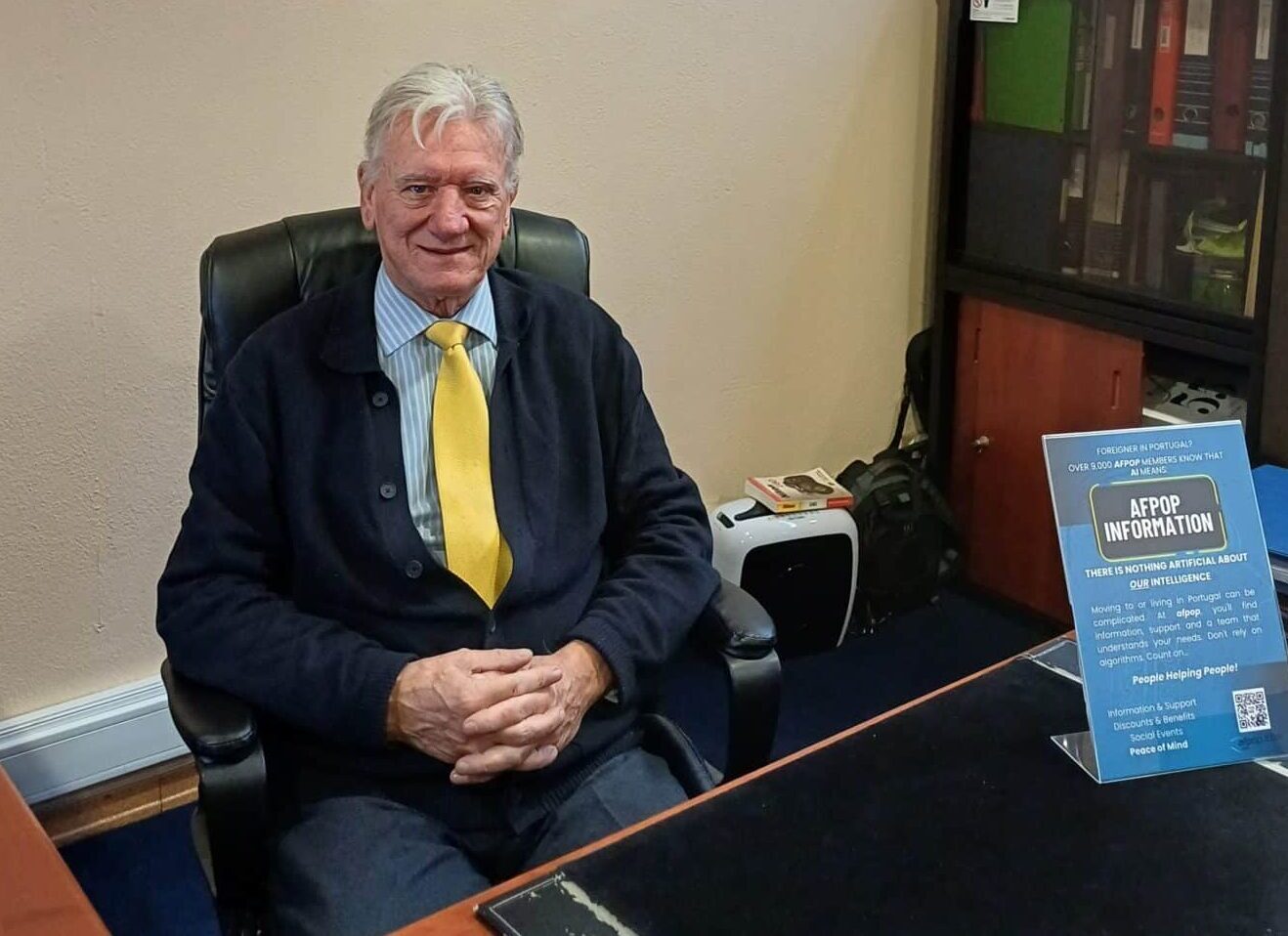
When Michael Reeve arrived in the Algarve with his wife in the early 2000s, he was looking for a new lease on life. What followed was not just a new chapter, but a defining one: more than 20 years at the helm of afpop, guiding the association from financial uncertainty into stability, professionalism and long-term sustainability.
Reeve’s path to Portugal was anything but straightforward. A former Royal Navy serviceman who joined up at just 16, he later worked across the Caribbean and Europe before settling into a decade-long career with the UK police as a control room operator and manager. The work, he recalls, was relentless: rotating five-week shift cycles, long nights and little family life. “Everything was grey,” he told The Resident. “I was miserable.”
He also started to take issue with decisions made by the UK government, which further fuelled his desire for a new start elsewhere. So when his son finished school and began working, Reeve and his wife made a decision that would change their lives: they sold their house and moved to Portugal with an open mind and a short-term plan.
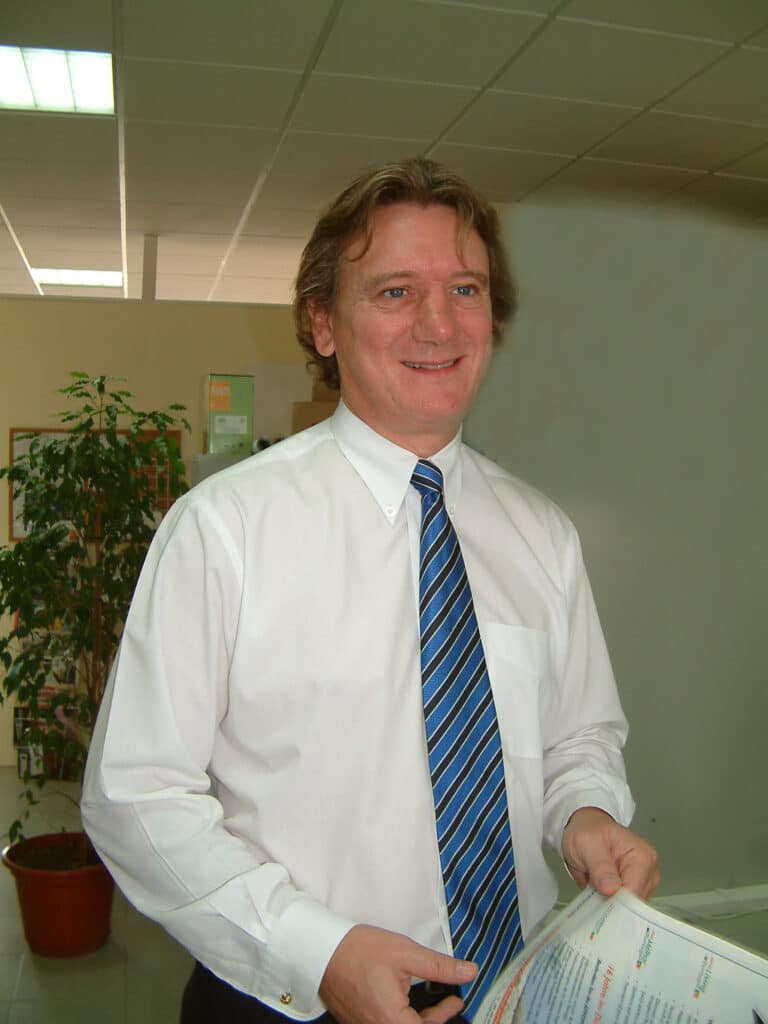
If the plan didn’t work out, they would leave. As fate would have it, a chance visit to the afpop office in Portimão proved pivotal. On the wall was a notice: the association was looking for an executive.
At the time, afpop was largely run by volunteers from its management council, who were struggling to meet growing demands. Reeve decided to apply, and on March 3, 2003, he started his new position as the later rebranded Chief Executive Officer (CEO) of the association.
But the start of his career at afpop was not rosy. Finances were tight and there was uncertainty about its future. “I honestly thought they’d hired me to close it down,” he admits. Instead, Reeve set about reshaping it.
Cost-cutting was unavoidable, but over the years, Reeve began to modernise afpop’s services. Printed magazines moved online. Expensive mail-outs were scrapped in favour of digital communication. Critics worried members were “too old” for the internet, but Reeve disagreed – and time proved him right.
The association further professionalised its operations, redefining advertising as sponsorship to remain legally compliant, and invested in a members-only digital platform that allowed access to information even when the office was closed.
Under his leadership, afpop overcame its unsure future and grew into a robust association with clear governance, defined staff roles and sustainable income streams. The Update magazine became self-funding, membership numbers grew, and financial reserves were rebuilt. “I think the thing I’m proudest of is we kept it open,” said Reeve.
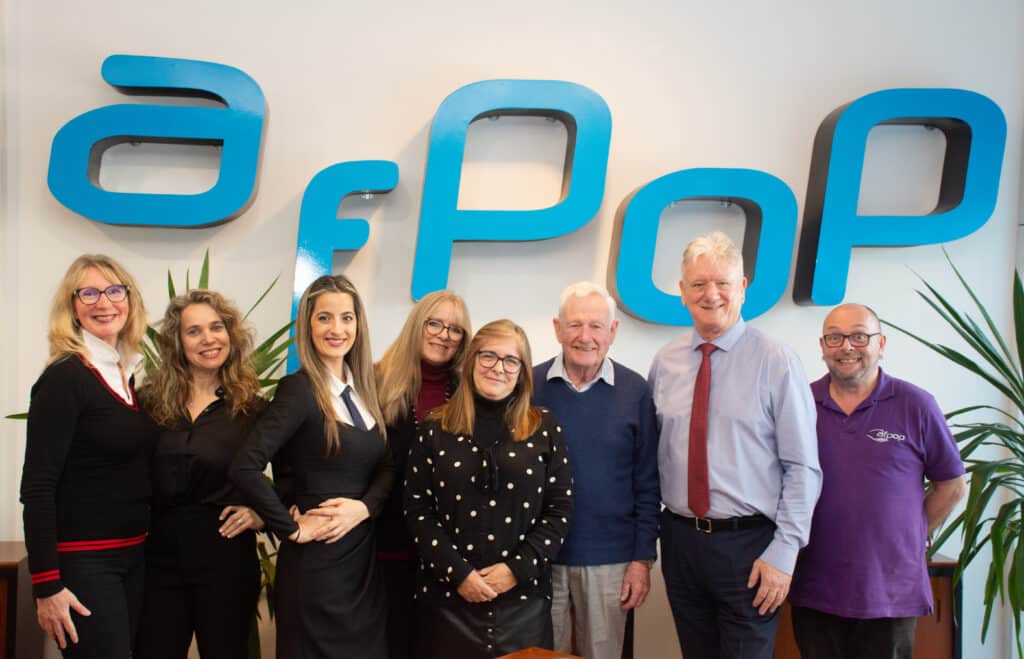
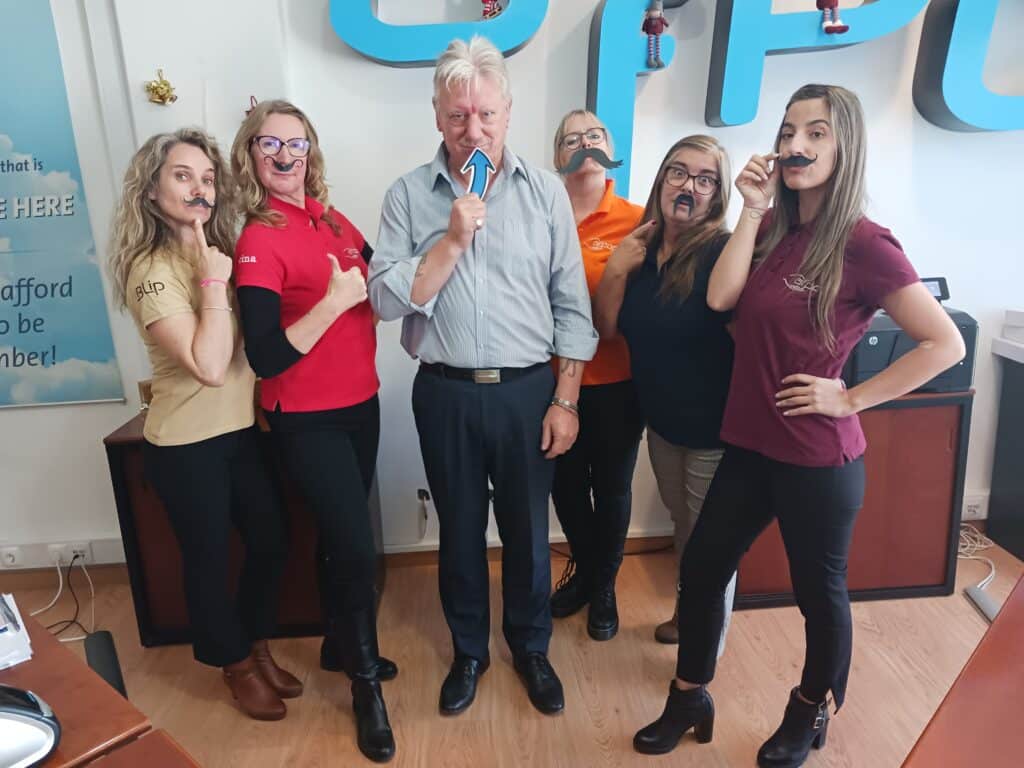
Just as important as new systems were people. Over the years, Reeve built a loyal, long-serving team – often through what he calls “happy accidents”. Staff arrived through chance encounters, maternity cover or word-of-mouth, and stayed for years. Some have now been with afpop for two decades or more. When speaking of his staff, Reeve gets visibly emotional: “Another thing I’m proud of is how the staff has stuck around. That means a lot.”
His management philosophy was simple: members were not customers, and staff deserved trust and autonomy. Management councils, he says, honoured their commitment to let the CEO run the organisation day-to-day, stepping in as sounding boards rather than micromanagers. That trust, he believes, was key to afpop’s success.
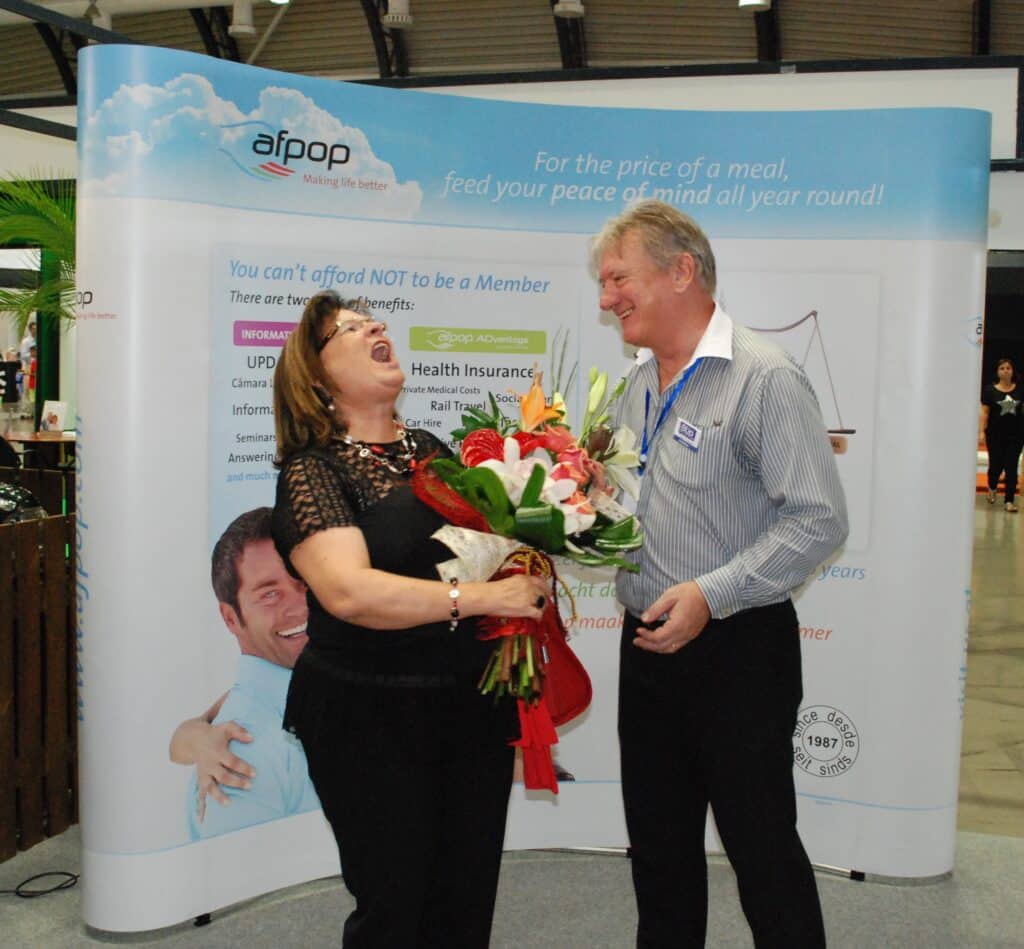
With over 20 years now under his belt at the helm of afpop, Michael Reeve admits he never expected to stick around in the Algarve for so long. “I’m a bit of a wanderer by nature,” he told us.
Now, as he steps down, Reeve admits the transition is emotional. He has worked at afpop for as long as he did with the Navy and the police combined. “There’s a sadness. This has been a part of my identity for such a long time.”
Preparing detailed notes to his successor, Daisy Sampson, has made the change feel real – each meeting and event now marked as a “last”.
Yet retirement also brings excitement. Early next year, Reeve and his wife will return to the UK, settling into village life in Nottingham near their son and three-year-old grandson. They plan to be hands-on grandparents, easing childcare pressures and being there for family milestones they’ve missed over the years.
While he didn’t want to “go into thank-yous” at risk of forgetting someone important, Reeve did thank The Resident for “all its support over the years” and promised to get to “as many of the people who need a good thank-you” over the coming weeks.
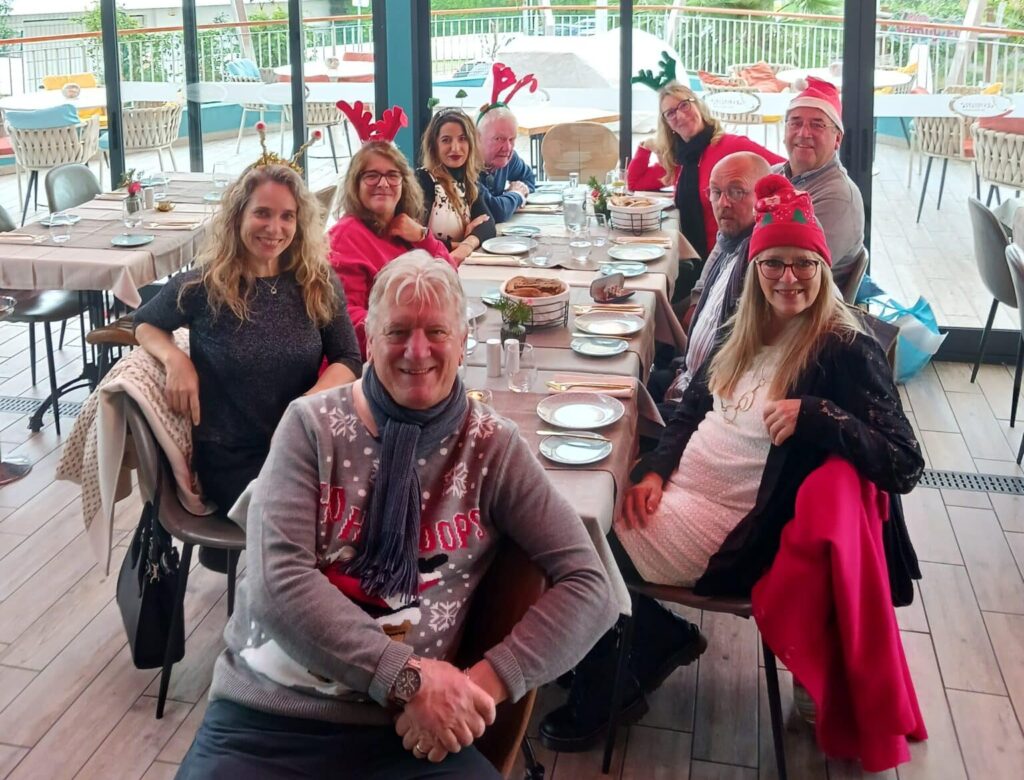
There will be no consultancy role and no regular involvement with afpop, beyond remaining a member. “The whole point is that it moves on,” he says. He has no desire to cling to the past or plan special visits to BLiP – the association’s flagship Better Living in Portugal event, held every October at the Portimão Arena. “The sigh of relief that I gave at the end of the last BLiP told me all I needed to know,” he said.
Instead, he is looking forward to simple pleasures: photography, playing the fiddle again, village events, trips to the theatre, cricket at Trent Bridge, and – most of all – unhurried breakfasts with his wife.
“It sounds bizarre,” he admits, “but I’m really looking forward to that.”