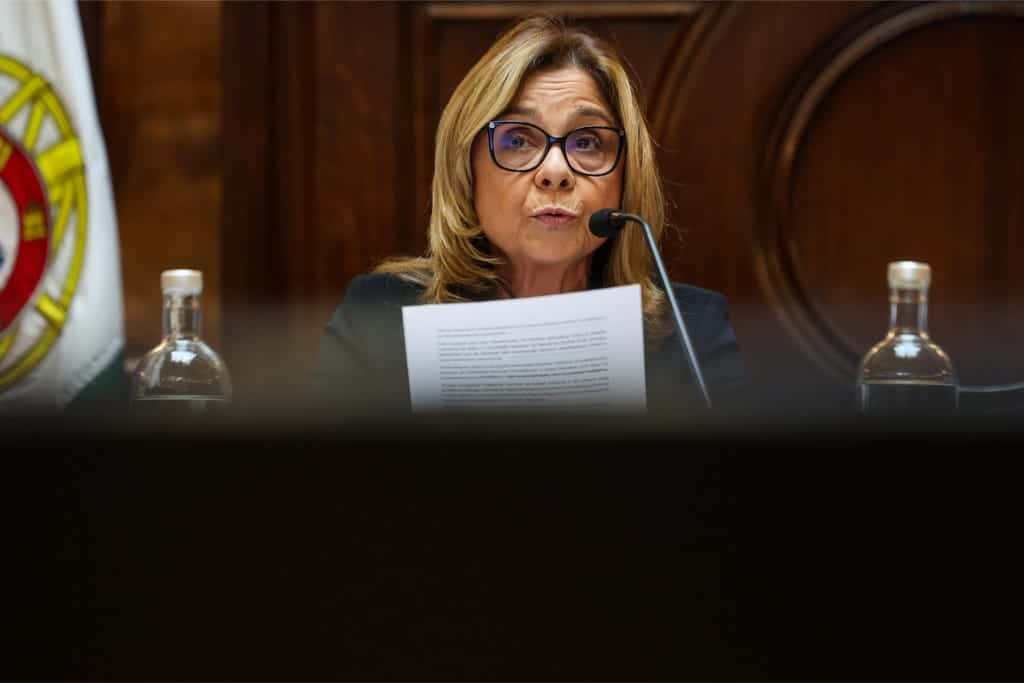
Portugal “must be prepared” for an increase in the price of medicines due to the war in the Middle East (ostensibly in partial ceasefire, but still causing constraints).
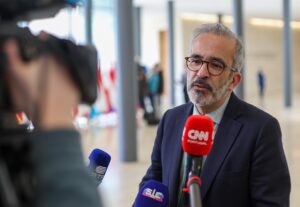
Health minister Ana Paula Martins admits problems ahead, all linked to the increase in the price of oil, affecting other materials, including plastics, glass and aluminium.
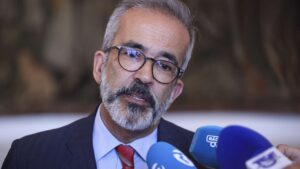
Minister Martins was reacting to comments made earlier to Jornal de Negocios by president of APIFARMA, the country’s pharmaceutical industry association, João Almeida Lopes, who sees price increases in his sector as “inevitable”.
Almeida Lopes explained the combination of inflation (due to the war/ ongoing difficulties in the Middle East), international tariffs and political pressures – the latter driving a trend of European prices converging with those practised in the United States (ironically the country where the majority of new medicines are produced).
Ana Paula Martins highlighted two key aspects of Almeida Lopes’ interview: recognition that the international crisis, specifically regarding energy issues affecting all sectors, would inevitably impact the pharmaceutical industry; but she insists that such an impact is not, for the time being, an issue.
The minister was speaking in Leiria where she marked the inauguration of a new Pacing and Electrophysiology unit, as part of the project to modernise the technology facilities of the Local Health Unit (ULS) in the region.
The PRR (European-funded Plan for Recovery and Resilience) funded this investment, which amounted to approximately €7.5 million, to facilitate the purchase of a robotic surgery system featuring a synchronised operating table, an MRI (magnetic resonance imaging) scanner, and a ceiling-mounted digital angiography system.
The equipment will provide more specialised and innovative healthcare responses, allowing for more precise treatment of cardiac arrhythmias, performing minimally invasive procedures with greater safety, monitor cardiac devices (pacemakers and defibrillators, amongst others), reduce patient transfers to other hospitals and waiting times for specialist procedures, says the hospital.
But, like the warnings over the cost of medication, there are still the perennial ‘ifs’ and ‘buts’ holding the country’s SNS state health system back. One of the overriding issues being the time it takes for patients to receive the care they, in many cases desperately, need.
In parliament yesterday, the SNS executive director Álvaro Almeida ‘came clean’: he said the health service will never be able to eliminate waiting lists – not because of financial restrictions or orders, but because of the lack of doctors and nurses, and the increase in demand.
“As we do not have doctors, or nurses, in sufficient numbers, we cannot increase production when it is necessary to eliminate waiting lists”, he told MPs.
In other words, the system is unlikely to change in terms of patient response, and medications are set to become more expensive, just as the ‘cost of living crisis’ is starting to become a new subject on everybody’s lips.
Source material: Lusa/ Correio da Manhã