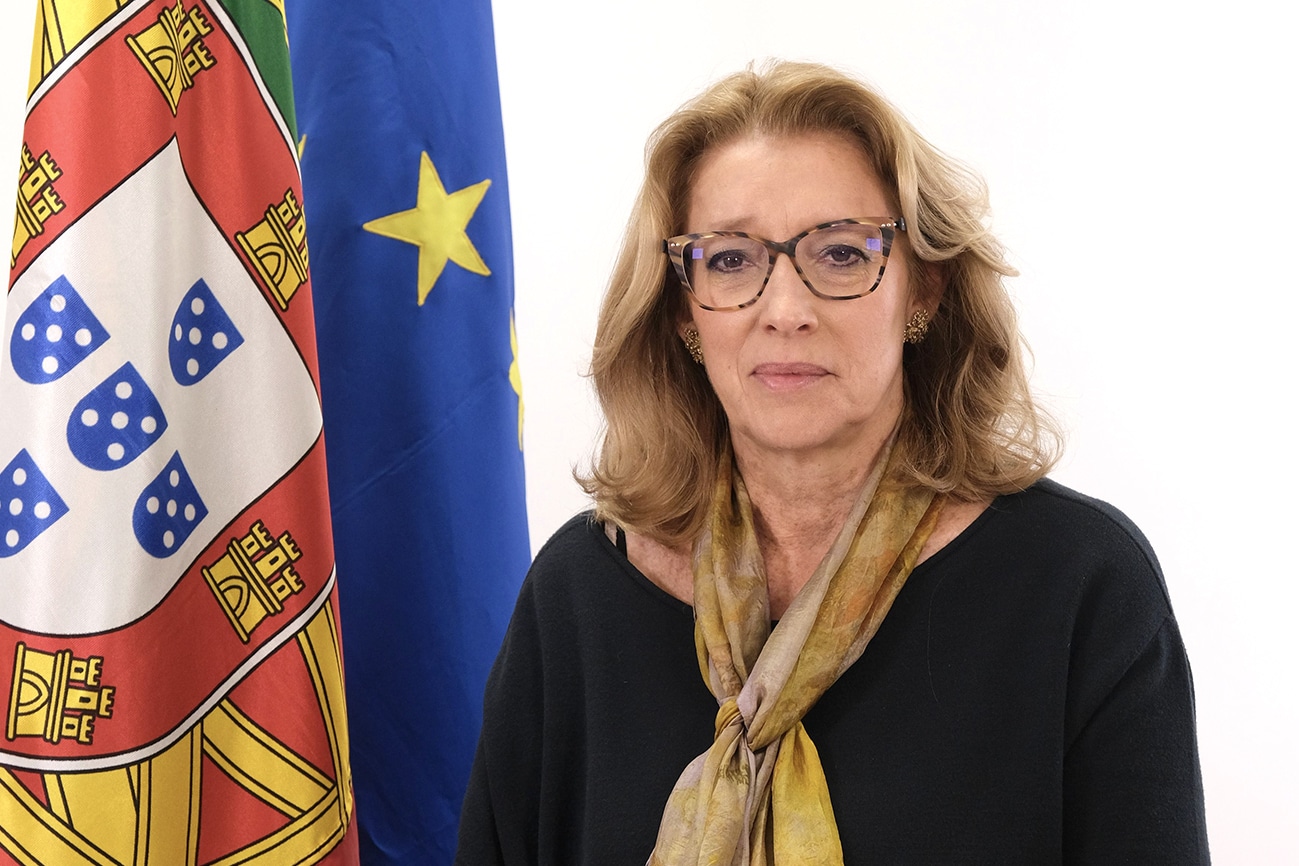
Portugal’s minister of labour, solidarity and social security, Maria do Rosário Palma Ramalho, has unleashed a torrent of indignation by claiming that some mothers breastfeed their children until later in life just to have reduced working hours.
In interview with Jornal de Notícias and TSF radio on Sunday, the minister was discussing the government’s ‘profound reform’ of labour legislation – a document that will be debated in parliament. She referred to one of the many proposals – the plan to limit breastfeeding to the first two years of a baby’s life – explaining that she doesn’t understand why children continue to be breastfed after the age of two during their mothers’ working hours.
“I find it difficult to conceive that, after two years, a child has to be breastfed during working hours. That means that maybe they don’t eat anything else, which is strange. They should eat soup, they should eat other things (…) The proper exercise of a right should not be confused with the abusive exercise of that same right”, said the minister, adding: “unfortunately, we are aware of many practices in which, in fact, children seem to continue to be breastfed in order to give the worker reduced working hours – which is two hours a day that the employer pays for – until they start primary school.”
It was this last comment that seems to have been ‘too much’ for many.
“Is there any data to support this?” Queried commentators. More importantly, are we to understand that the government should decide how long a child is breastfed?
Of course, much of the indignation is expedient theatrics: we are in the run-up to crucial municipal elections in which AD (the government coalition) seeks to make gains, and PS Socialists are desperate to claw their way back from the relative desertion by voters in the May legislative elections.
The Portuguese Association for Women’s Rights in Pregnancy and Childbirth has accused the minister of “ignoring international recommendations on breastfeeding”.
Speaking to Antena 1, Sara do Vale from the association said that “these kinds of statements demonstrate a lack of in-depth knowledge. We are incredulous. There is no care, no social justice, no human dignity (…) These allegations that women cannot enjoy a right that is theirs are bad and show that the goal is only to protect employers and companies, and not to invest in workers, families and the birth rate”.
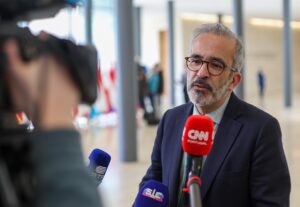
PS leader José Luís Carneiro has also accused the minister of “inhumanity”, and making statements without relevant back-up: Maria do Rosário Palma Ramalho “must explain how many such cases there are in the country and what the Social Security inspectorate is doing to investigate and assess the extent to which these alleged situations undermine fundamental rights,” he said.
For Mr Carneiro, it is clear that “the inhumanity that had been adopted in relation to the law on foreigners is also being adopted in labour matters and in the protection of women and young people; and in a way that was no longer remembered in our country…”
So how long SHOULD mothers breastfeed? To be fair, two years is a very good time to stop. The World Health Organisation recommends breastfeeding for the first two years of life “or beyond”. Anything past one year is considered extended breastfeeding.
Many women who breastfeed beyond two years do so only at night (which would not require them to take time off work).
In other words, this is a subject that shouldn’t really need airing. The trouble is that it has ‘become political’, thus people are ‘outraged’ that ‘the right to breastfeed’ is potentially going to be removed, during work hours, for the mothers of children over the age of two.