Starting tomorrow, the village of Covas do Barroso, and the municipality of Boticas in northern Portugal, will host the Pan-European Critical Zones meeting and the IV Iberian Meeting on the Social and Environmental Impacts of Mining.
The events bring together communities throughout Europe affected by mining and other energy transition projects, along with civil society and environmental NGOs, to discuss justice in the use of natural resources.
The gathering has been organised by the Observatory of Natural Resources, MiningWatch Portugal, Ecologistas en Acción, Friends of the Earth, and the association Unidos em Defesa de Covas do Barroso, in collaboration with the Iberian Mining Observatory.
Over three days, more than 50 representatives of grassroots movements, networks, and organisations will share experiences and strategies of resistance and solidarity in response to the social and environmental impacts of mining and extractivist energy projects.
“This meeting is a unique opportunity to bring together the lived experience and know-how of affected communities with the expertise of Portuguese and European organizations working on natural resource justice,” Nik Völker, president of the Observatory of Natural Resources, explains. “Only through this collaboration can we expose destructive practices and build viable alternatives grounded in environmental justice and sustainable resource management.”
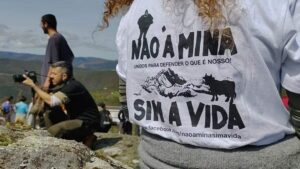
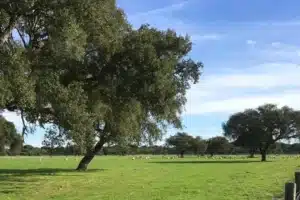
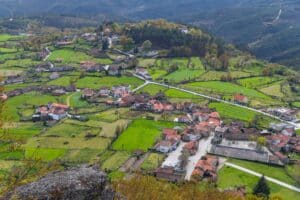
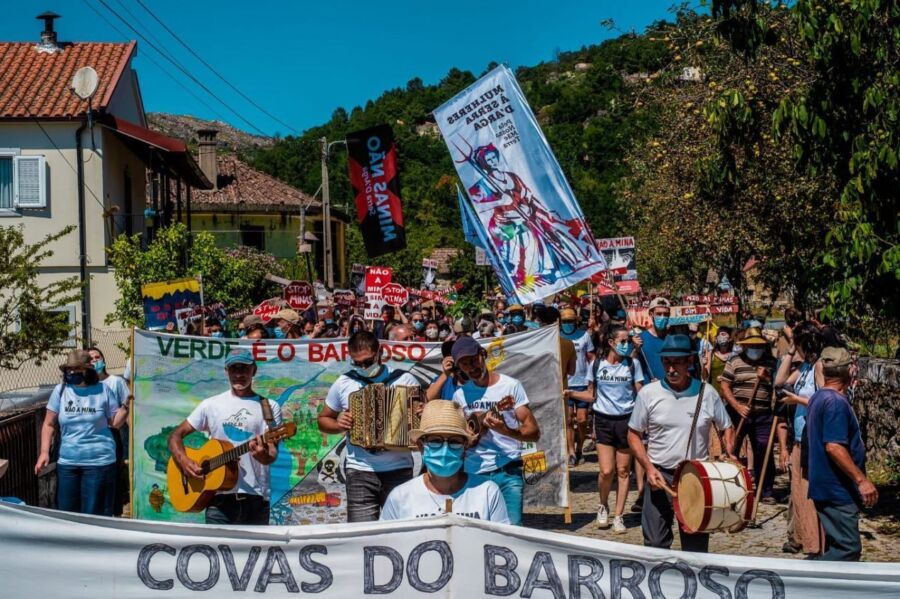
Covas do Barroso – recognised as a Globally Important Agricultural Heritage System, and now threatened by what could become one of Europe’s largest open-pit lithium mines – has become a symbol of resistance and community self-determination.
The Barroso region stands at the heart of the debate over the future of rural territories and the consequences of the energy transition.
“The case of Covas do Barroso is not just a local issue. It is a systemic example of how the rush for critical minerals threatens communities, ecosystems, and livelihoods in the European peripheries and in the Global South. Showing these interconnections is essential if we are to rethink the direction of the energy transition,” Carla Gomes from Unidos em Defesa de Covas do Barroso, adds.
Throughout the three days, participants will take part in workshops, debates, and training sessions on environmental defence, community organising, and sustainable alternatives to mining.
The program also includes the guided hike “Landscapes of Power”, in Morgade (Montalegre), offering historical insights into how the landscapes and societies of Barroso have long been shaped by large-scale (agro)industrial projects such as hydroelectric dams and internal colonisation programs of the 20th century.
Updates will also be shared from the Iberian Mining Observatory, which monitors and maps malpractice in the extractive sector – and already documents over one hundred cases – as well as from the international “Peoples Against Extractivism” forum, joined by organisations from several continents, including the Confederation of Indigenous Nationalities of Ecuador.
Two moments will be open to the public, says a press release about the weekend:
● Saturday, 18 October, 20:30 (Boticas Municipal Auditorium) – National premiere of the documentary “Scars of Growth”, followed by a debate with the filmmaker, protagonists, and affected communities.
● Sunday, 19 October, 10:00 (Covas do Barroso) – Solidarity action in support of local communities defending their territory and environmental heritage.
“The meetings aim to strengthen alliances among communities and organisations resisting extractivist projects throughout the Iberian Peninsula and across Europe, reinforcing cooperation toward a truly just, democratic, and sustainable energy transition”, say all those involved.
The Critical Zones meeting is part of the Catalyst of Change project of the Netherlands Helsinki Committee, supporting a vibrant civil society in Europe.
Participating organizations are Ação Floresta Viva, ClientEarth, Dunas Livres, European Environmental Bureau, Friends of the Earth Europe, Greenpeace Spain, Juntos pelo Cercal, Mars sa Drine, MiningWatch Portugal, MiningWatch Romania, Montalegre com Vida, Fundación Montescola, Povo e Natureza do Barroso, PowerShift, Quercus, UDCB, Veredas da Estrela, and ZERO.
Source: press release