One of Portugal’s ‘oldest’ environmental NGOs is waging war on wet wipes that clog and damage drains and contribute to marine pollution.
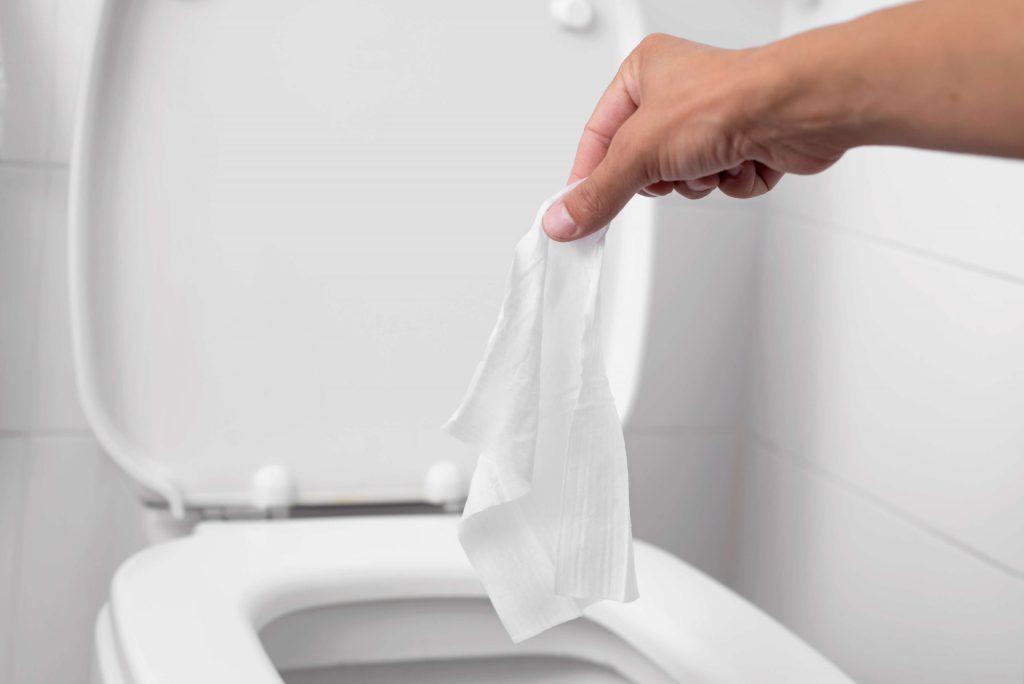
Quercus is calling for a ban on the sale of any wet wipes that are not bio-degradable – and an awareness campaign to people that even if they are, they should never be flushed down the lavatory.
The association has sent its appeal to both the government and parliament, explaining that almost 30% of the population are now using wet wipes which pose real threats to the environment – and people are equally flushing all sorts of damaging items into sewage systems, without fully appreciating the consequences.
The NGO thus wants a ‘ban’ on people tossing “all materials that prejudice the environment” into their lavatories/ down their sinks.
But back specifically to wet wipes: according to Quercus, these are responsible for the majority of drain blockages – and even those marked ‘biodegradable’ can have synthetic fibres in them that “do not break down easily when flushed down the toilet”.
In the letter sent to all parliamentary groups today, and to minister of the environment Maria da Graça Carvalho, Quercus calls for effective legislation that doesn’t only do away with ‘non-biodegradable’ wipes, but ensures those labelled as biodegradable really are.
Such legislation would require a major ‘change’ within the industry, the NGO concedes – and should be accompanied by a nationwide awareness campaign, to make people understand the hazards involved in flushing away not only wet wipes, but cotton buds, condoms, cigarette butts, used cooking oil and out-of-date (or not required) medication.
Quercus suggests that Águas de Portugal (the entity responsible for providing the nation’s mains water) provide an annual estimate of how much wet wipes cost in terms of the need for repairs/ cleaning, saying these costs should be covered by companies producing the wipes (which should also provide funding for awareness campaigns…)
The NGO cites practices in the UK, where wet wipes are clearly labelled even when biodegradable for disposal in ‘general waste’ (not by flushing into the sewage system).
“It is necessary to raise public awareness about this problem and promote more responsible behavior,” says Quercus which will have been buoyed in this endeavour by practices in other countries – specifically the UK, where non-biodegradable wet wipes are being banned from next year.
Source: SIC Notícias/ Lusa/ UK press