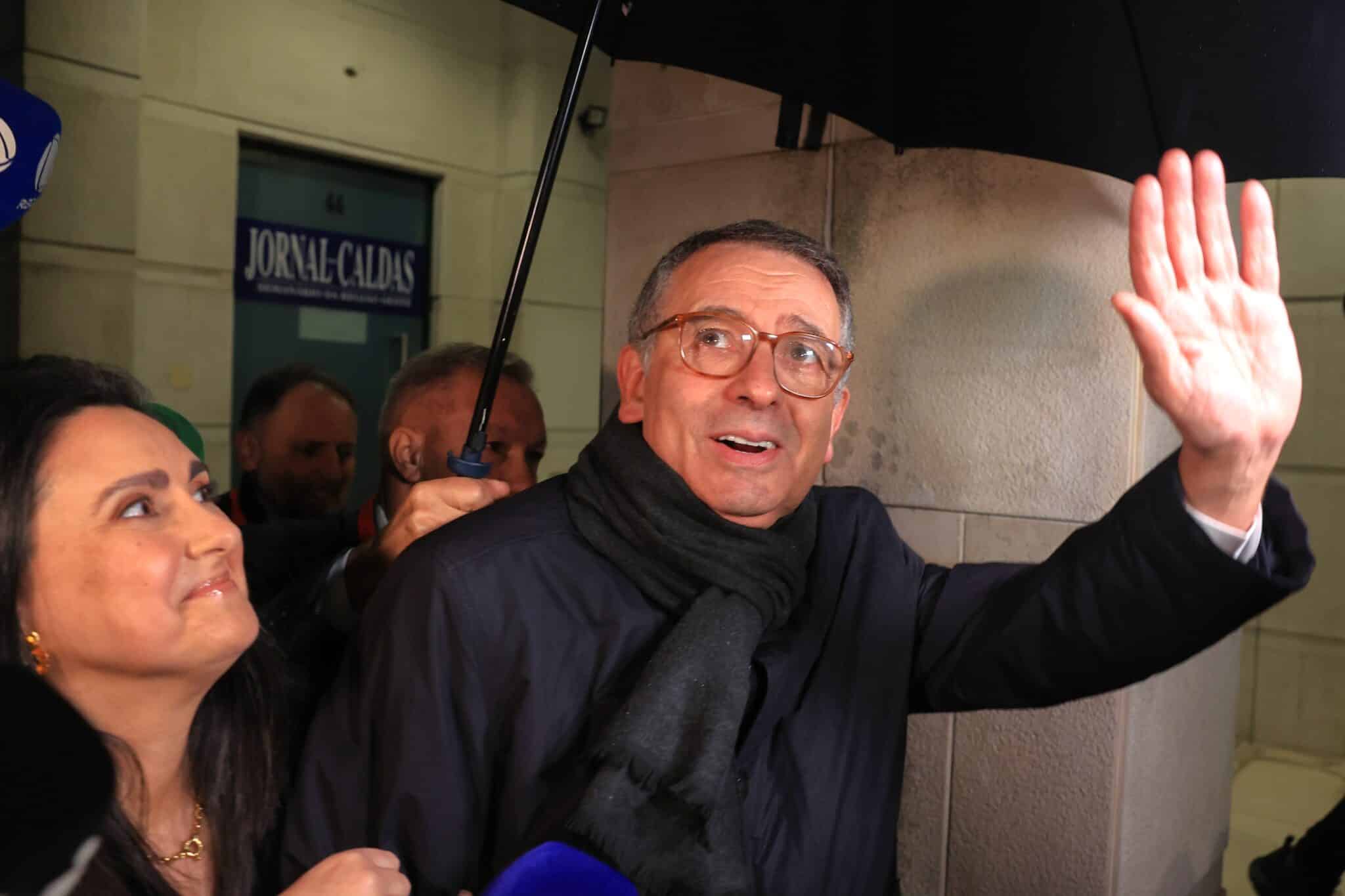
Two questions came my way in the wake of António José Seguro’s resounding presidential victory. The first: I would love to hear your perspective on the election results and the impact, if any, on us expats; and secondly: isn’t the President just a symbol, like the King of England?
So, here today are my views in response, plus a few more for good measure, in these times of storms – political and meteorological.
The latter question, about the Portuguese President being like Charles III in my native UK is fairly easily dealt with. Whilst both are ‘heads of state’, a notable and pleasing difference is that Portugal’s highest officer has been elected, unlike “His Royal Highness”, who is a hereditary figure, and whose relatives are no doubt spinning in their tombs with enough anger to power up what’s left of the British Empire.
Real power in the UK lies, of course, with the Prime Minister and Parliament, which is currently attracting a similar level of loathing to some British royal family members, whose behaviour has appeared to fall far short of what you might hope for from a defender of the faith’s family.
I’m not a fan, so it’s with some relief and preference that I note Portugal’s President is elected and, for his trouble, is afforded some power, especially in a crisis, to veto or appoint, as well as acting as a check and balance.
Both perform similar symbolic duties, representing their respective nations and hosting state visits, but the Portuguese President has more meaningful and independent authority as well as direct democratic legitimacy than the UK monarch. And after a long and drawn-out two-staged process, the last part of which was accompanied by hellish weather, Seguro is taking that ‘crown’, as it were, having attracted the most votes ever for this supreme and special position.
Notably, those dominating votes kept one André Ventura out of the Belém Palace, which comes with the job, showing the polls to be pretty much accurate on this occasion and validating what many Portuguese friends told me: “That could never happen”, in reference to a Chega-flavoured President, despite the party’s recent remarkable rise in popularity.
In recent times, and on record on my morning show, I voiced my concerns about the possibility of Ventura in the role, at this already and now especially volatile and testing time for the country, facing as it is nothing less than a national disaster. When speaking of this to a friend, he retorted: “Not sure if you can call a socialist president a national disaster”, which, of course, is not what I was referring to. Or was I?
I will admit I am not against the idea of a challenge to the establishment and the stale ideas that many feel might be stifling Portugal’s best potential, but not as harshly and brashly as Chega are raging against it.
As it turns out, it is the establishment man we have chosen collectively, democratically, which brings me to the question as to how the new President might affect the lives of expats in Portugal, the one-in-10 he is no doubt well aware of.
On the one hand, and by default, he has saved our kind from what I think is the worst aspect of Chega popularity, and that is the everyday enabling and outspokenness of its more hateful supporters, who I certainly fear more than the official candidates themselves.
On the other hand, and in his own right, António José Seguro is said to hold a “moderate, centrist position” on immigration, in stark contrast to his opponent. Where one created billboards that claimed “This isn’t Bangladesh”, the other might as well have created Lord Kitchener-style posters saying “This country needs YOU!” aimed at us incomers.
He acknowledges that Portugal needs immigration for economic development, to strengthen the labour market, contribute to Social Security, and to help rejuvenate the aging population and low birth rates. That said, he has advocated for “imigração legal, organizada e com integração” – legal, organised immigration with integration.
Seguro wants to control entry, combat illegality and crack down on criminals that exploit migrants, and thankfully highlights the importance of proper induction and integration, whilst ensuring that the benefits do not turn ultimately into disadvantages. He supports treating the issue with balance and dignity.
Having looked into his views, I’m delighted to see this emphasis on integration, which is really what most sensible-minded folk are really talking about when they say immigration – a word now lost almost entirely on the culture war battlefield.
With all this in mind, Seguro takes his high position at the worst of times, and will remain living in Caldas da Rainha, eschewing the pomp he’s entitled to in the capital. I wonder how he feels about shaking the hand of another president who some say does have regal pretensions. Just as Marcelo did so manfully, when he so ably represented Portugal in his day. I look forward to that encounter.