As the war in Iran enters its third week, the world continues to grapple with another major conflict which threatens to plunge it into a global recession. In Portugal, tourism officials are debating whether the war could pose an opportunity for the sector, though they agree that, in the end, “war benefits no destination”.
While some analysts have suggested that countries like Portugal could benefit from a shift in tourist flows away from the Middle East, most leaders within the industry are pushing back firmly against that idea. For them, the message is simple: war is not an opportunity.
“It is unpleasant to say that the attack on Iran brings opportunities for tourism in Portugal. A war never benefits any destination,” Pedro Costa Ferreira, president of the Portuguese Association of Travel and Tourism Agencies (APAVT), told Diário de Notícias.
The full economic impact of the conflict remains unclear, and much will depend on how far the situation escalates. For now, one immediate effect is already being felt: rising energy and fuel prices. That increase is feeding concerns about inflation and the potential for disruption across the global economy.
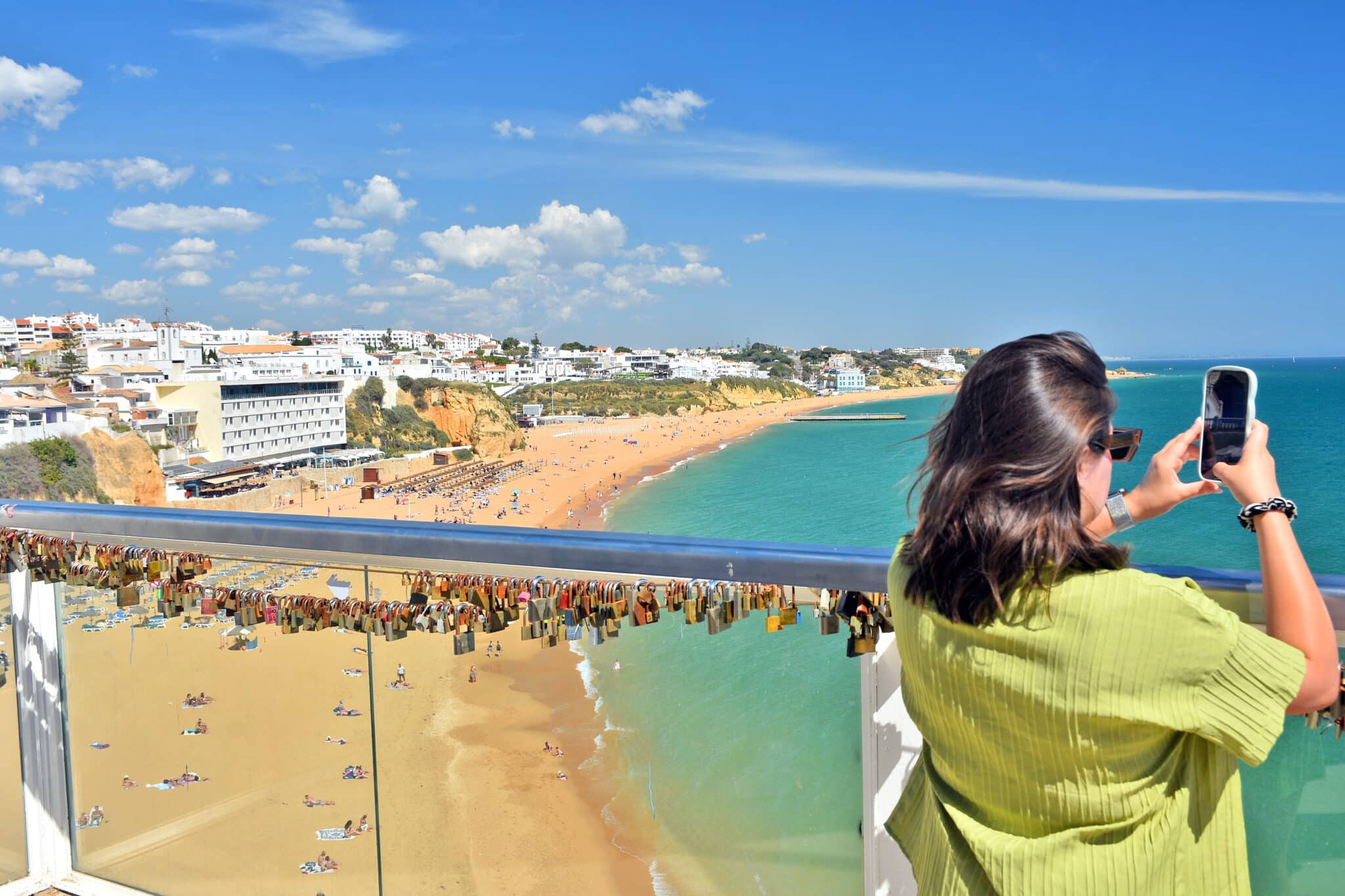
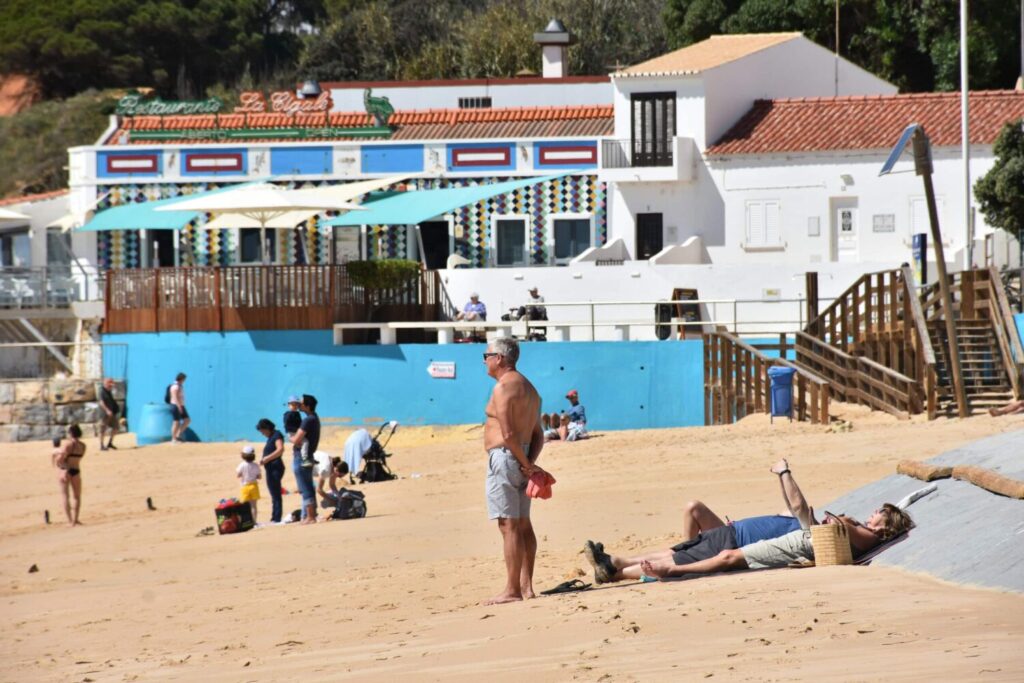
Despite these risks, some have pointed to Portugal’s perceived safety and geographic distance from the conflict as factors that could make it more attractive to travellers, especially as the summer holiday season approaches. Last year, Portugal was ranked the 7th safest country in the world in the Global Peace Index 2025, adding weight to that argument.
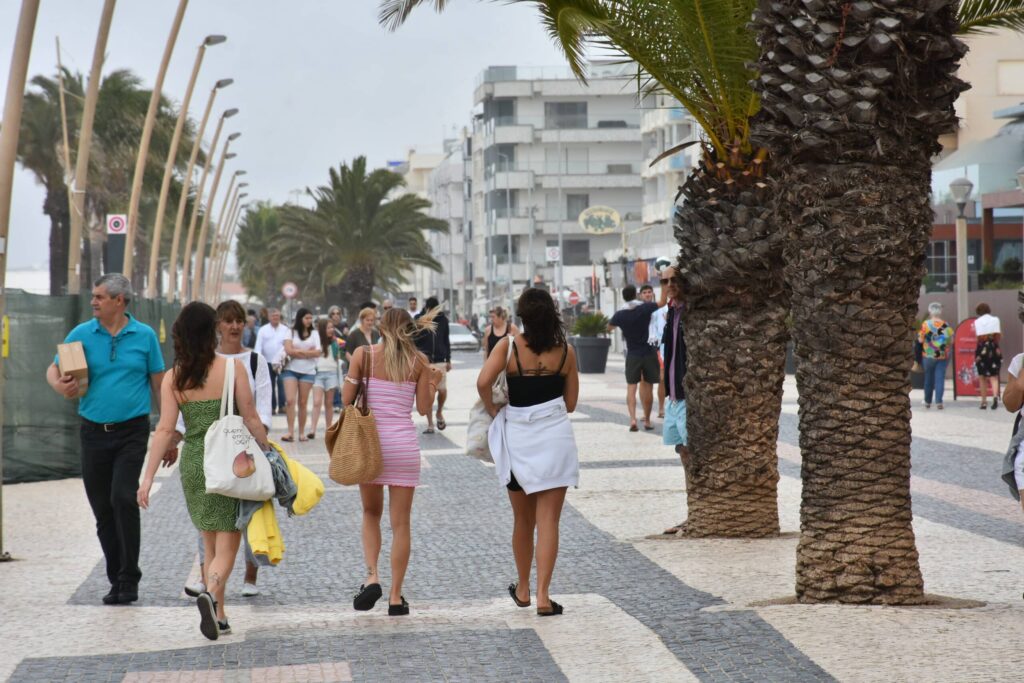
Fernando Garrido, president of the Portuguese Association of Hotel Directors (ADHP), has reported that some international event organisers and tourist groups are already exploring relocating their activities to Portugal. “There are inquiries about moving groups of events and tourism here, to divert from destinations that are more sensitive to this crisis,” he said.
But this is unlikely to be enough to counteract the negative consequences from a prolonged conflict, Garrido admitted.
“Our sector is one of the most sensitive to international instability, and we are already starting to anticipate significant impacts, both in terms of operational costs and in the evolution of markets and tourist flows,” he said.
Speaking at the opening of the XXII ADHP Congress in Elvas, Garrido noted that some hotels are already reporting cancellations and delays in bookings, including both individual reservations and group events.
Despite these early signs, he emphasised that it is still too soon for firm conclusions.
“The available data is still limited,” he said. “It is too early for definitive assessments.”
Also speaking at the event, José Manuel Santos, president of the Alentejo tourism board, said tourism thrives on peace. “War is the enemy of tourism,” he said. Still, he admitted southern Europe might see a small bump in visitors seeking security.
“It is normal that the Portuguese market, border regions of Spain, and short-distance European markets may travel more to nearby areas, and I admit that this could happen for the Alentejo,” Santos added.
Costa Ferreira, however, rejects this line of thinking outright.
“I do not agree with this view. Coming to a country because there is a war elsewhere can never be welcomed and does not create sustainable conditions in the long term,” he said. “Portugal should attract people for what it is, not because of the difficulties others are experiencing.”
Another concern for the sector is the potential rise in travel costs. Higher energy prices typically translate into more expensive flights and holiday packages, which could put pressure on consumers.
However, for now, there is no clear indication that higher prices will significantly reduce demand.
“In periods of rising prices and inflation, the cost of travel naturally tends to increase,” Costa Ferreira said, adding that Portugal needs to wait and see whether inflation will accelerate and how the broader economic situation evolves.
He pointed out that, in recent years, demand for travel has remained strong even as prices have climbed sharply following the pandemic.
“The elasticity of demand in relation to travel prices has been very low, almost zero,” he said. “As prices increase, the number of trips has also grown.”
That trend is reflected in recent figures, with Portuguese travellers setting records for outbound tourism last year, both during the summer and at the end of the year.
Safety of passengers more important than economic development
However, for travel agencies, the immediate priority is not future bookings, but the safety of customers already affected by the conflict. According to Costa Ferreira, there are currently hundreds of Portuguese travellers stranded in impacted regions, facing serious challenges in returning home.
“We have hundreds of passengers stuck. At this moment, for long-haul travel, there are no available flights from these hubs anywhere in the world,” he said. “It is not every day that someone is caught in a war zone, and travel agencies are focused on ensuring the safety and well-being of their clients.”
He stressed that agencies are working closely with travellers, offering support and guidance in what he described as an unprecedented situation for many.
“Peace and people’s lives are more important right now than talking about the economic development of the sector,” he told DN.
Government will not look to benefit from war
Meanwhile, the Portuguese government is keeping a close eye on the broader economic impact of the conflict, particularly in relation to rising fuel prices.
Economy Minister Manuel Castro Almeida has stated that the government does not intend to benefit financially from the situation.
“The government will not profit nor take fiscal advantage of the war,” he said.
Measures have already been introduced to limit the impact of fuel price increases, including adjustments to fuel taxation. Under the current system, if fuel prices rise by more than 10 cents, the additional tax revenue linked to VAT is returned to consumers through reductions in fuel duty.
The government is also monitoring the potential for rising food prices but has not yet introduced additional measures.
“At this moment, no new decisions have been made, because everything depends on how the situation evolves,” Castro Almeida said. “If the war ends quickly, there will be no structural problem. If it continues, then government intervention may be justified.”