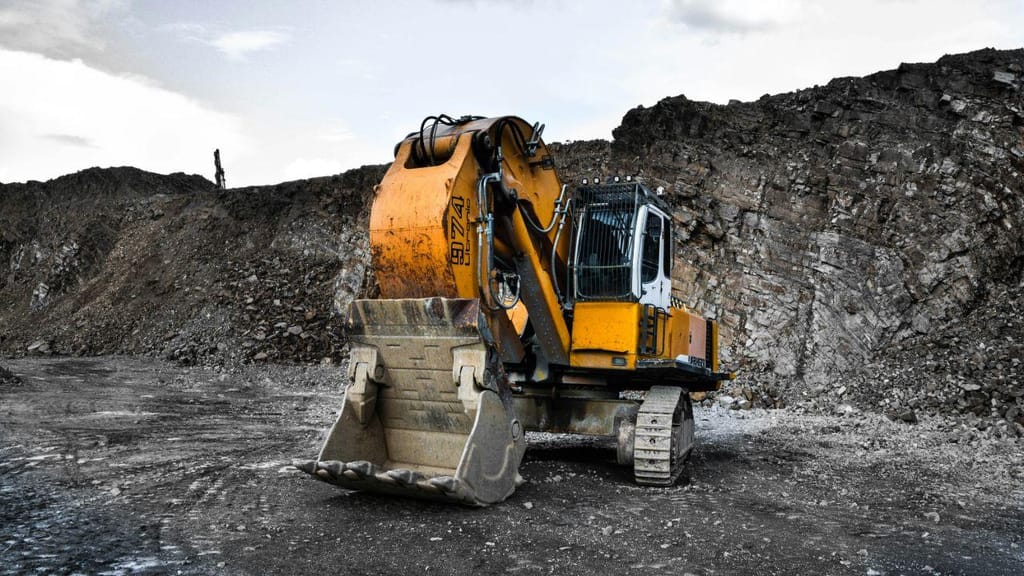
Plans by mining company Redcorp have been considered “of national interest”
Well over 2,000 people (and rising) have signed their names to a petition against the Lagoa Salgada Mine project, for the exploration of copper, lead and zinc in the Alentejan areas of Grândola and Alcácer do Sal, with the aim of stopping this investment.
The public petition, available on the internet, argues that this project “should not go ahead” because “it jeopardises the well-being and health of the nearest local communities and also those in the surrounding area”.
Residents who launched the petition have taken every opportunity to speak out against the project put forwards by Redcorp Empreendimentos Lda, on the basis that none of it makes sense in an area that is not only thriving with livestock farming and forestry, but also increasingly popular with tourists and investors in tourism.
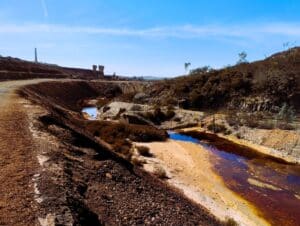
Concerns focus on the threat mining activity poses to the area’s water supply (both in terms of depleting and potentially contaminating it); the almost 2 million tonnes of debris that will be created – to be piled up on part of the site, reaching heights of 24-metres; the quantity of trees that will need to be felled; noise/ dust created along with the intense distress that regular ‘explosions’ and mining activity will bring to the area.
What no-one (local) seems able to understand is how a project carrying so many downsides could possibly have been sanctioned for an area with a thriving local economy based on natural values (see below).
The other big question is why has this project been given PIN status (project of national interest)?
As petitioners explain, whatever jobs are likely to be created with be short-term (the project’s life is only for 11 years), while the landscape will be torn apart, filled with detritus; soil and water lines will be contaminated “incapable of sustaining life”. In short, “the economy will collapse. This region depends on cork, agriculture, livestock farming and tourism”.
Thus multiple agencies are being lobbied in a bid to stop the project before its scheduled starting point of 2026.
Signatories furthermore ask the mayors of the two municipalities concerned to consider “challenging (it) in court” and ask the president of the APA to consider “the scale of environmental impact that this mining project will have on the people of Grandola”, particularly in terms of water consumption.
They also request that the Portuguese Agency for Investment and Foreign Trade (AICEP) withdraw the PIN status from this investment and that the Minister for the Environment and Energy, Maria da Graça Carvalho, identify any improvements that the government can implement, “at the legislative and regulatory level in the process of awarding concessions for mineral prospecting and exploration, currently in force and for the future”.
The project has been rejected by Grândola town council, which does indeed propose to challenge it in court, writes Lusa, and it has also received an unfavourable opinion from Alcácer do Sal town council, as well as opposition from environmental and farmers’ associations.
Mining process will use “highly toxic” sodium cyanide, warn associations
NGOs including SPEA (Portuguese society for the Protection of Birds), ZERO, FAPAS (protection of biodiversity), GEOTA and Proteger Grândola, have warned that “one of the solutions advocated by Redcorp, a subsidiary of the Canadian group Ascendant Resources for the exploitation of polymetallic lodes of copper, lead, zinc and associated metals, including silver and gold, involves the use of sodium cyanide, a water-soluble solid, in the processing of precious metals”.
Sodium cyanide is highly toxic, warn the NGOs, “with widely recognised risks”.
Source material: LUSA/ Petição Pública/ Público