Portimão emerged as one of the bright spots of 2025 for Portugal’s southernmost ports, posting strong growth in cruise traffic even as Sines Port recorded a sharp fall in overall cargo volumes.
The overview of last year has been shared by the Sines and Algarve Port Administration (APS), which explained that adverse weather, operational disruptions and industrial stoppages weighed heavily on the performance of Sines Port, while Portimão stood out with a 40% year-on-year increase in cruise calls and a 70% jump in passenger numbers, reinforcing its growing role in the Mediterranean cruise market.
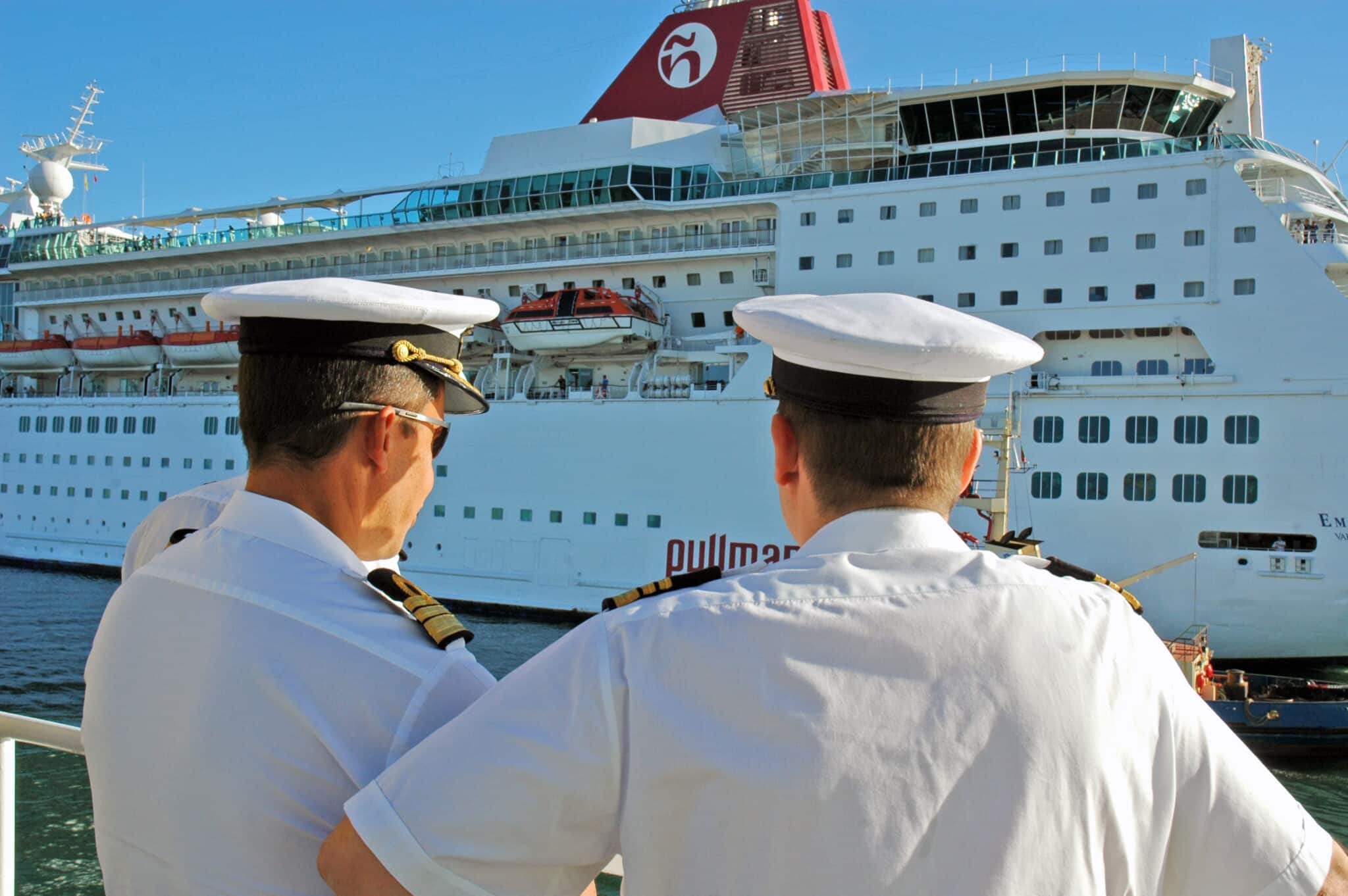
Portimão Port closed 2025 with 56 cruise ship calls and 23,996 passengers, figures that APS says confirm its appeal to mid-sized and luxury cruise operators and strengthen the Algarve’s position as a high-end tourism destination for cruises.
By contrast, the Port of Sines ended 2025 with total cargo throughput of 42.1 million tonnes, a 12% drop compared to the previous year, following a particularly challenging winter. Severe weather conditions led to 26 days of halted or severely restricted ship operations, APS reports.
Liquid bulk cargo was among the hardest-hit segments, further affected by a technical shutdown at Galp’s refinery in the final quarter of the year. As a result, volumes at the Liquid Bulk Terminal fell by around three million tonnes compared to 2024, totalling roughly 18 million tonnes for the year.
Despite this decline, port officials point to a more positive outlook for 2026, with the terminal currently undergoing upgrades to enable the handling of new green fuels.
The Liquefied Natural Gas (LNG) Terminal showed greater resilience, maintaining throughput levels similar to 2024 despite heavy rainfall that constrained LNG imports for power generation. The terminal continued to play a critical role in national energy security, supplying 96% of Portugal’s gas needs.
Container traffic at the Terminal XXI in Sines also fell, with volumes reaching 1.7 million TEU (Twenty-foot Equivalent Unit), down 10% year-on-year, partly due to labour instability during 2025. The situation was resolved by the end of the year, and authorities expect a more stable operating environment going forward. Notably, import and export container traffic grew by 4%.