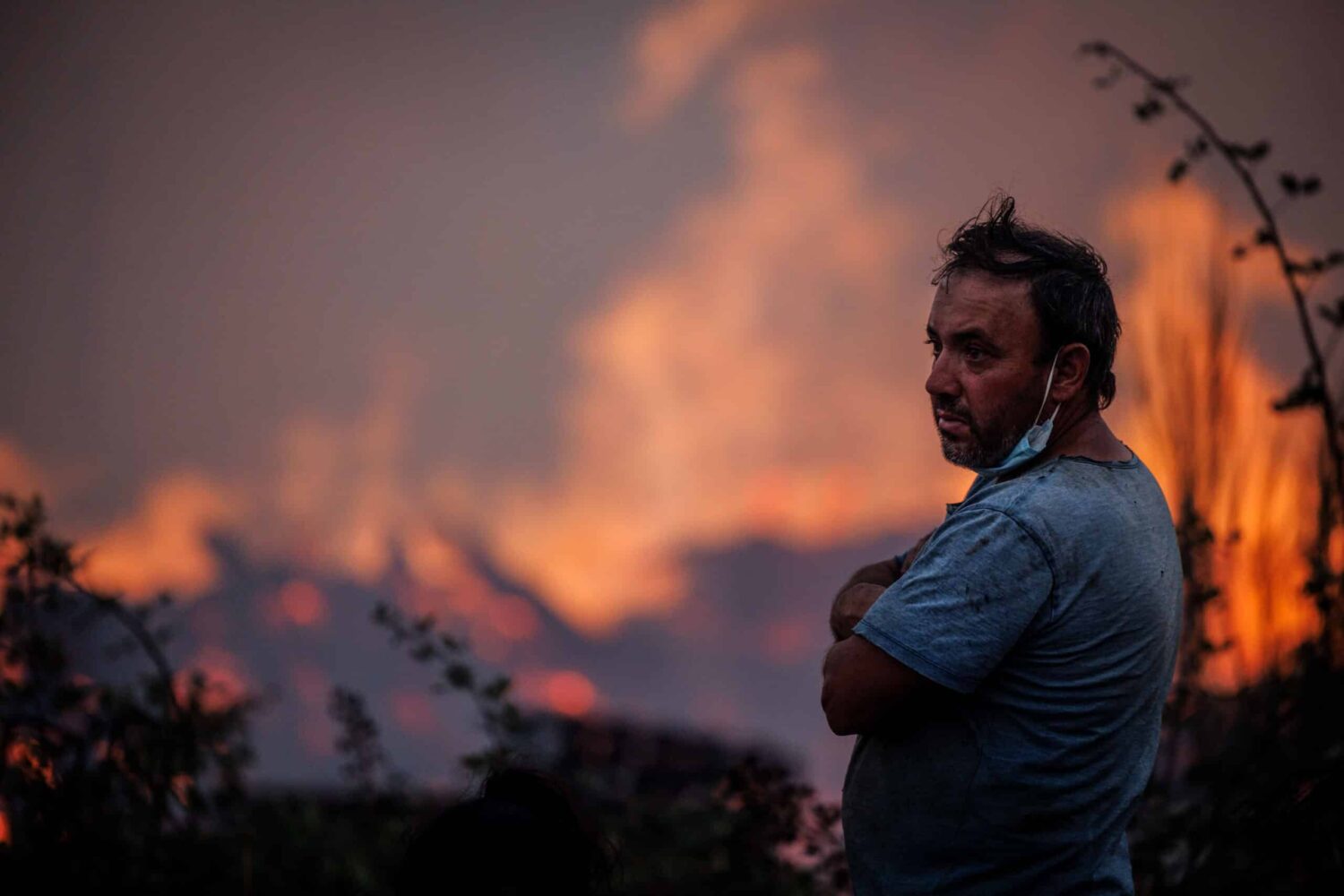
Portugal is taking urgent action to help those whose lives have been turned upside down by the horrific wildfires that raged across the North and Centre this month.
A new wildfire aid law came into force on Monday, promising swift support for families, farmers and businesses to rebuild homes, restore land and recover livelihoods, while community and organisation-led platforms are being set up to help victims navigate the often confusing and laborious process of requesting support.
For many families in Portugal’s North and Centre regions, this summer has been one of unimaginable loss. Homes reduced to ashes, livelihoods swept away, and entire landscapes scorched.
The fire that broke out in Arganil on August 13, spreading to six municipalities, is already recognised as the largest area ever burnt in Portugal, with 64,451 hectares consumed, according to a provisional report from the Institute for Nature Conservation and Forests (ICNF).
The same report adds that around 250,000 hectares have already burned in Portugal. Amid the devastation, residents face the daunting task of rebuilding lives while the threat of more wildfires still looms for another month of summer.
In response to this summer’s destruction, the AD (Aliança Democrática – PSD/CDS-PP) government has fast-tracked a new aid law, effective on Monday and applied retroactively to July 1, designed to provide concrete support to wildfire victims.
The 45-point package targets families, farmers and businesses, offering help to rebuild homes, restore agricultural activity, repair infrastructure, and restore forests and local ecosystems, while ensuring those responsible for the fires remain accountable.
The package is broad, spanning people, housing, agriculture, environment, businesses, conservation and infrastructure. Victims will have access to medical care through the national health service (SNS) without paying user fees, along with free medicines and enhanced environmental monitoring of air, water and soil.
Farmers will receive special aid to replace lost income, buy animal feed and cover immediate needs. Exceptional support of up to €10,000 per farmer is available, even without paperwork, subject to joint inspections by local and regional authorities.
For companies, new lines of credit and systems of support are planned, as well as investment in social equipment and up to €250,000 for rebuilding legal or legalisable housing.
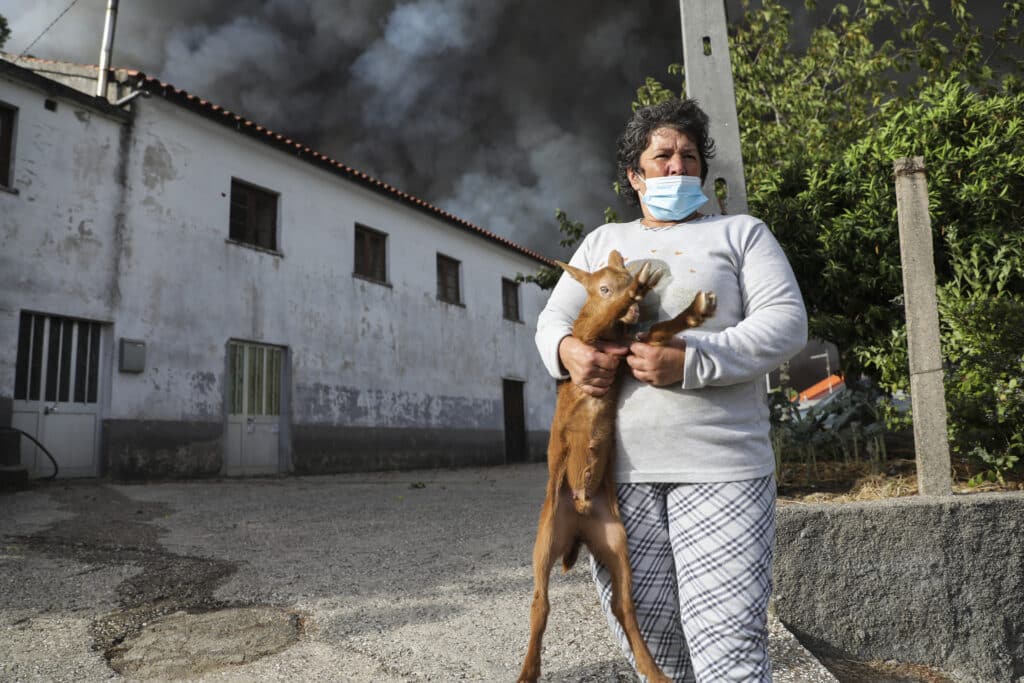
There are also measures to regenerate and promote fire-hit territories, with a focus on tourism, agriculture, livestock and beekeeping. Forest managers, hunting associations and local co-management committees will also be eligible for equipment and reconstruction aid.
Additionally, the law clarifies that none of these measures shield those responsible for starting or spreading fires from civil or criminal liability, as damage assessments will be carried out by municipalities and regional coordination commissions and will be reported to the Public Prosecutor’s Office for legal proceedings when necessary.
The financial ceiling is capped at €5 million per ministry under the exceptional spending regime, with 45 separate measures approved in total.
The law recognises wildfires as a “tragic reality that assails Portugal” and stresses that, while prevention and firefighting remain priorities, it is equally vital to offer real support to those who have seen their lives affected by these fires.
To help residents and businesses navigate the new support measures, a range of platforms and coordination networks have been established.
Tourism board promises support
Meanwhile, the Central Portugal Tourism Board – Turismo Centro de Portugal (TCP) – has launched “Construir o Futuro” (Bulding the Future), its own recovery plan to help business and communities hit by this summer’s devastating wildfires.
On August 22, tourism board president Rui Ventura expressed solidarity with victims and praised firefighters and civil protection for their courage. “Without their courage and determination, the catastrophe would have been much larger.”
The tourism chief stressed that the region’s resilience and vision will help it recover quickly. “We are a people of resilient citizens and visionary entrepreneurs whose hope never wanes. Central Portugal will rise again quickly and continue to establish itself as a leading tourist destination, which every year attracts more visitors from across the world.”
The action plan starts with assessing damage to municipalities and tourism businesses before defining swift support measures in coordination with the government, Turismo de Portugal, regional councils and industry associations.
At the same time, TCP is preparing a communication campaign to reassure visitors that most of the region remains intact and ready to welcome them, while highlighting upcoming cultural and sporting events.
“The region is ready, as always, to welcome visitors with the quality and hospitality that it is known for, providing unforgettable tourist experiences,” Ventura added.
Looking further ahead, revitalisation efforts will focus on rural villages and landscapes, with projects in reforestation and community training designed to unite the region around rebuilding.
Tourism hit hard
The Association of Hospitality, Restaurants, and Similar Services of Portugal (AHRESP) has expressed deep concern over the impact of this summer’s wildfires on tourism and hospitality in the hardest-hit regions. Businesses are facing cancellations, closures, and steep drops in occupancy, putting jobs and economic sustainability at risk.
The association has already met with Secretary of State for Tourism, Pedro Machado, to propose measures aimed at compensating losses and mitigating future impacts. The association stresses that aid should include grant-based support to ensure immediate liquidity for affected businesses and that it will assist companies in applying for these programs.
Meanwhile, the Central Portugal Tourism Board, Turismo Centro de Portugal (TCP), is working with municipalities, intermunicipal communities, and industry associations to identify affected businesses, particularly rural and nature-focused accommodation.
Early reports indicate cancellations and declining bookings, especially for activities connected to hiking, historical villages, mountain programs, and river-based excursions, Rui Ventura told TNews, an online tourism news website.
Eduardo Miranda, president of ALEP (Portuguese local lodging association), also told TNews that while direct damage to properties is limited, uncertainty is affecting new bookings and short-term tourism activity, particularly in areas near the fires.