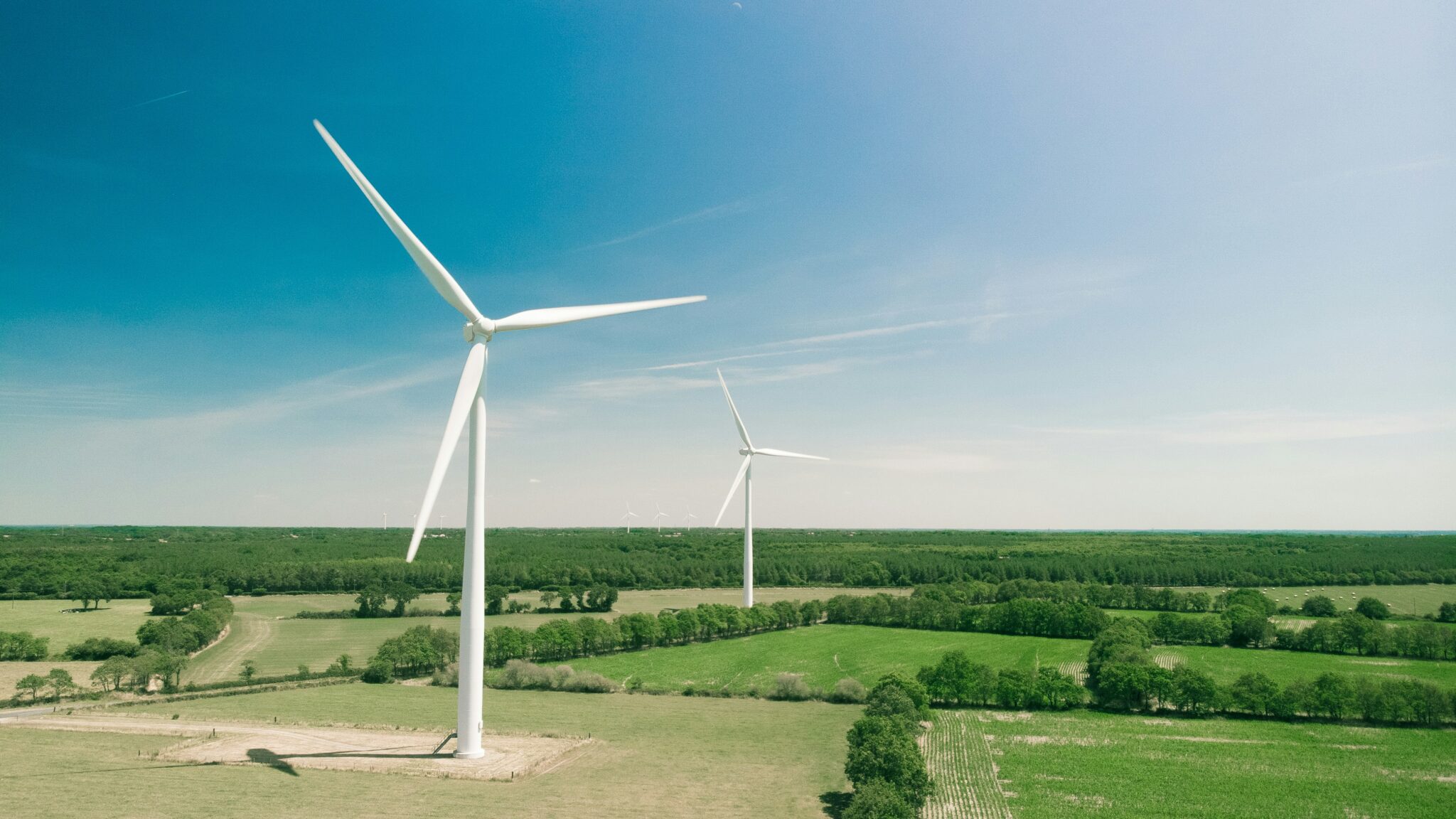
Renewable energy accounted for 79% of all electricity produced in mainland Portugal in the first two months of the year, making it the third-best performer in Europe, according to the Portuguese Renewable Energy Association (APREN).
New figures released on Wednesday show that between February 1 and February 28 alone, renewables accounted for 77.3% of electricity production. That equals about 4,000 gigawatt-hours (GWh) out of a total of 5,175 GWh generated during the month.
Only Norway and Denmark performed better over the January–February period, with renewable shares of 96.2% and 90.7%, respectively.
Hydropower was the main source of electricity in February, making up 37.2% of total production. Wind energy followed at 31.3%, while solar power contributed 5.2%.
Overall electricity production rose sharply, increasing by 20.1% compared to February 2025. The jump was largely driven by a strong rise in wind generation, which grew by 716 GWh.
Electricity prices also dropped significantly. The average price on the Iberian Electricity Market (Mibel) in Portugal was €5.1 per megawatt-hour (€/MWh) in February. Across January and February combined, the average stood at €42.4/MWh, marking a 58.5% decrease compared to the same period last year.
According to the Portuguese Renewable Energy Association, the high level of renewable energy also brought major environmental and financial benefits. In February alone, Portugal avoided spending €48.8 million on natural gas imports, €101 million on electricity imports, and €44 million on carbon dioxide (CO2) emission licences.
By the end of January 2026, renewable sources made up around 81% of Portugal’s total installed electricity capacity.