Central Portugal’s cities, set in one of Europe’s most charming and authentic regions, have a history as deep as the country itself, yet continue to offer astonishing value for money.
How many readers have visited Coimbra, Guarda, Leiria, Aveiro, Viseu, and Castelo Branco, each combining this depth of history with affordability, a slower pace of life, modern amenities and connectivity?
Many foreign residents and tourists do not stray far from the comfort and familiarity of Lisbon, Porto, the Algarve, Comporta, the Silver Coast and other highly promoted and developed areas.
For property buyers shying away from the prices now being asked in these traditional expatriate hotspots, there are both pitfalls and advantages to be aware of when considering inland cities.
Affordability and renovation costs
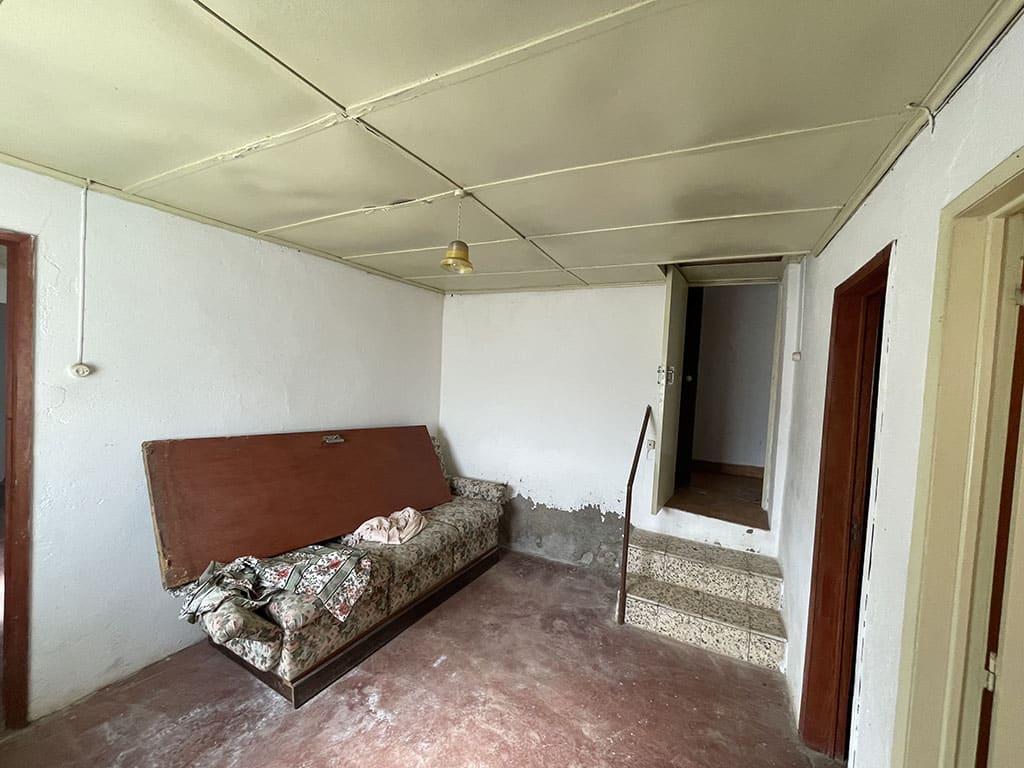
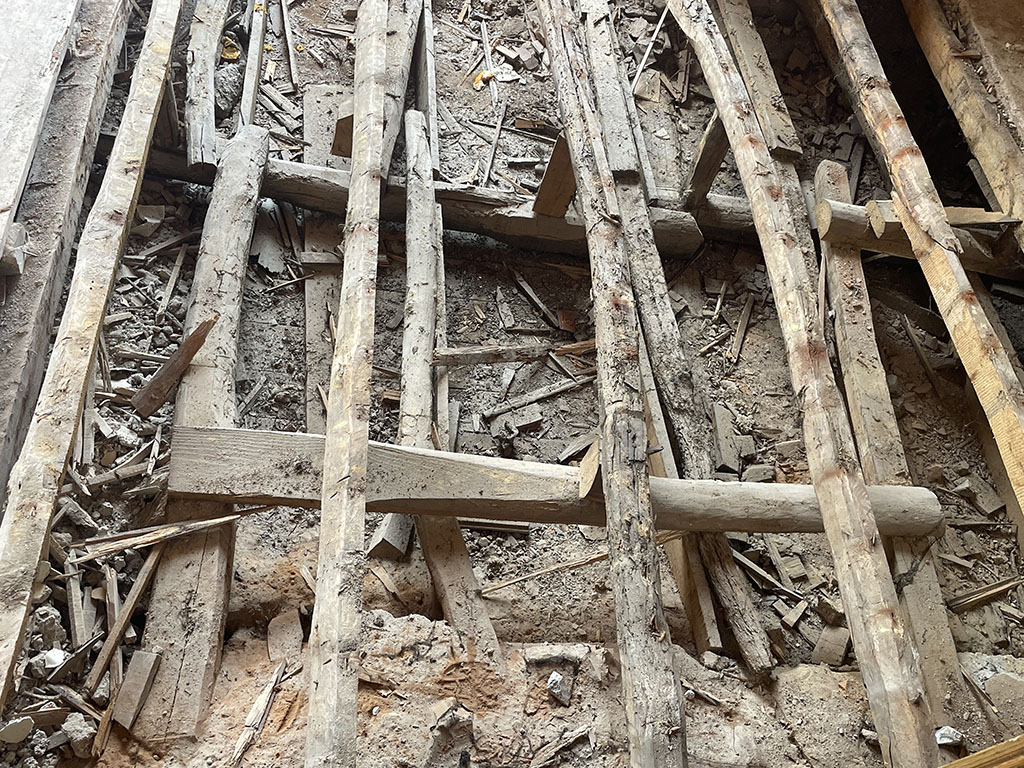
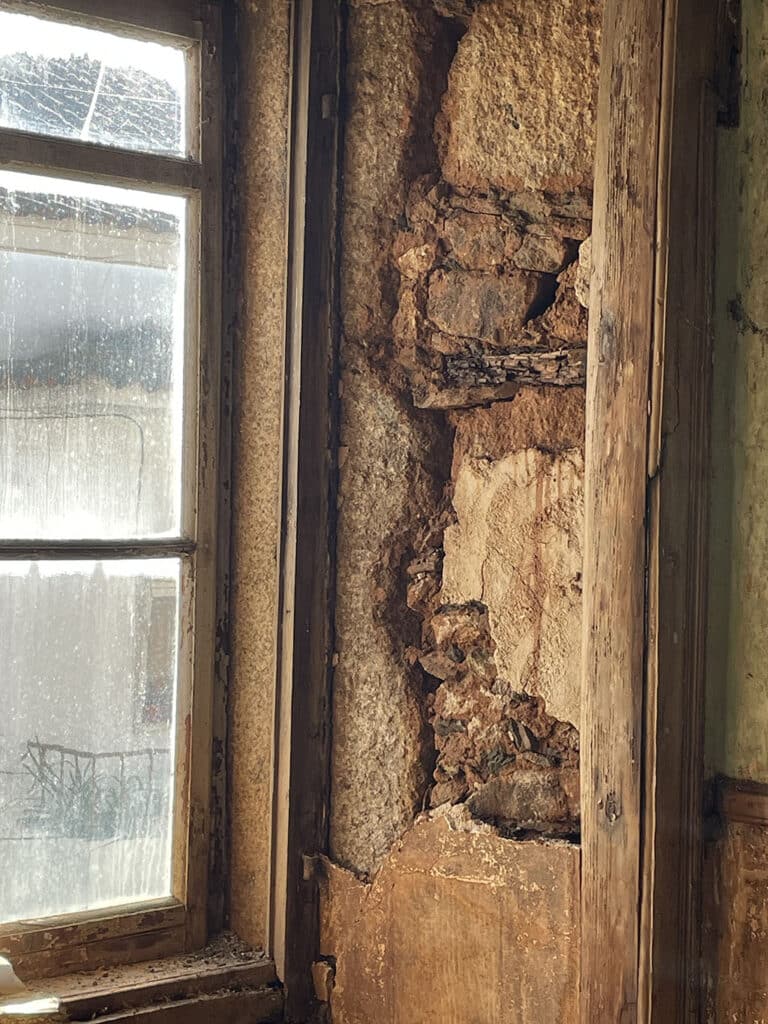
There is always a reason why a property might appear cheap. Many urban properties in Central Portugal require renovation after decades of zero maintenance and centuries of time-related degradation. Old houses have old electrical systems, a lack of insulation, single-glazed windows and structural issues hidden below floors and behind walls.
Surveys in Portugal are rare, good ones rarer still, so do not rely on bank surveys if you are seeking a mortgage as these are valuation surveys, not structural ones. Know before you buy and remember that each municipality has its own interpretation of the rules when undertaking renovation work in classified heritage zones.
Heritage comes at a price
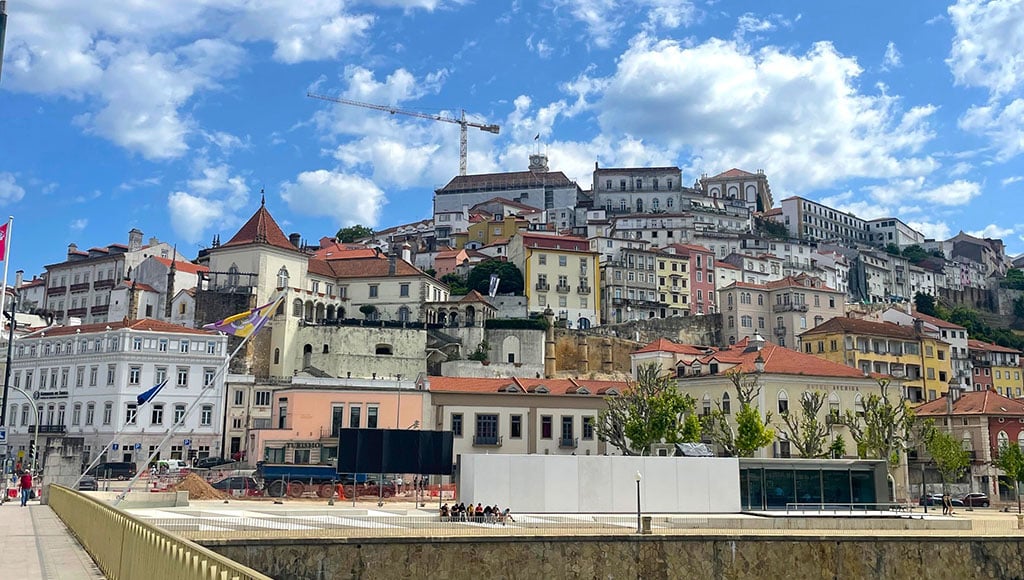
Cities like Coimbra, with its medieval university, offer a layered cultural matrix and an environment infused with history, festivals and traditions that remain intact, unlike the faux fado and cheap cataplana on offer in tourist-infused hubs.
For long-term property investors or those seeking to relocate, this authenticity is a selling point. For those looking at buy-to-let, rentals in culturally rich areas attract digital nomads, relocating company employees, more affluent foreigners and those seeking to experience life in Portugal while deciding where finally to settle.
Bureaucracy and the legals
Portugal’s legal system was designed to protect buyers, but there are always those who seek to take advantage of inexperienced newcomers. Buying a heritage property may involve inheritance laws and multiple owners, missing licences, unlicenced extensions and incorrect registration data. Hiring an experienced local lawyer is essential to provide clarity, navigate hurdles and avoid buying into lengthy legal disputes. Patience is more than a virtue; it’s an economic safeguard.
Cities have strong rental markets
Central Portugal’s university cities, Coimbra, Leiria, and Aveiro, offer strong rental demand, both from students and university staff. Coimbra University hosts thousands of international students, creating year-round rental opportunities.
Short-term lets, particularly in cities close to beaches such as Aveiro and Figueira da Foz or attractive mountain areas such as Viseu, Guarda and Covilhã, are growing due to a steady increase in domestic and international tourism. Annual rental yields may comfortably exceed those in Lisbon, Porto and the Algarve, but lower property price inflation can reduce any eventual capital gains.
Cities are different
The economies of Central Portugal’s cities vary. Coimbra and Aveiro thrive because of their universities and industries, but buying property in smaller cities such as Guarda and Castelo Branco is cheaper as there is lower demand and slower property appreciation.
Before buying, consider whether you want a property to match your lifestyle objectives or purely an investment-driven one. Investors should understand the equation formed between lifestyle, affordability and growth potential.
One of Central Portugal’s greatest attractions is city living with easy access to the countryside. City residents enjoy lower living costs, less traffic congestion and more breathing space compared to Lisbon and Porto.
Language and integration
Unlike Lisbon, Porto and the Algarve, where English is widely spoken by locals, fully enjoying smaller Central Portugal may require a working knowledge of at least basic Portuguese. For foreign buyers planning to settle, learning how to commmunicate in the host language is part of integrating into the community and dealing with local administration.
Buying property in the cities of Central Portugal is an opportunity which rewards those seeking authenticity while enjoying the clear benefits of reduced capital expenditure and lower living costs.
This less stressful quality of life demands patience with bureaucracy, a realistic eye on property renovation and a knowledge of market dynamics.
Many opt for paying that bit extra to buy a fully renovated property from a specialist company, avoiding the pain and exasperation of handling a project themselves and dealing with local builders.
For lifestyle buyers, the Central Region offers a chance to live in historic surroundings at an affordable price. For investors, university towns and cultural centres provide steady rental demand.
Investing in Central Portugal’s cities can be a rewarding decision that combines solid financial sense with the pleasure of living in one of Europe’s most charming and authentic regions.