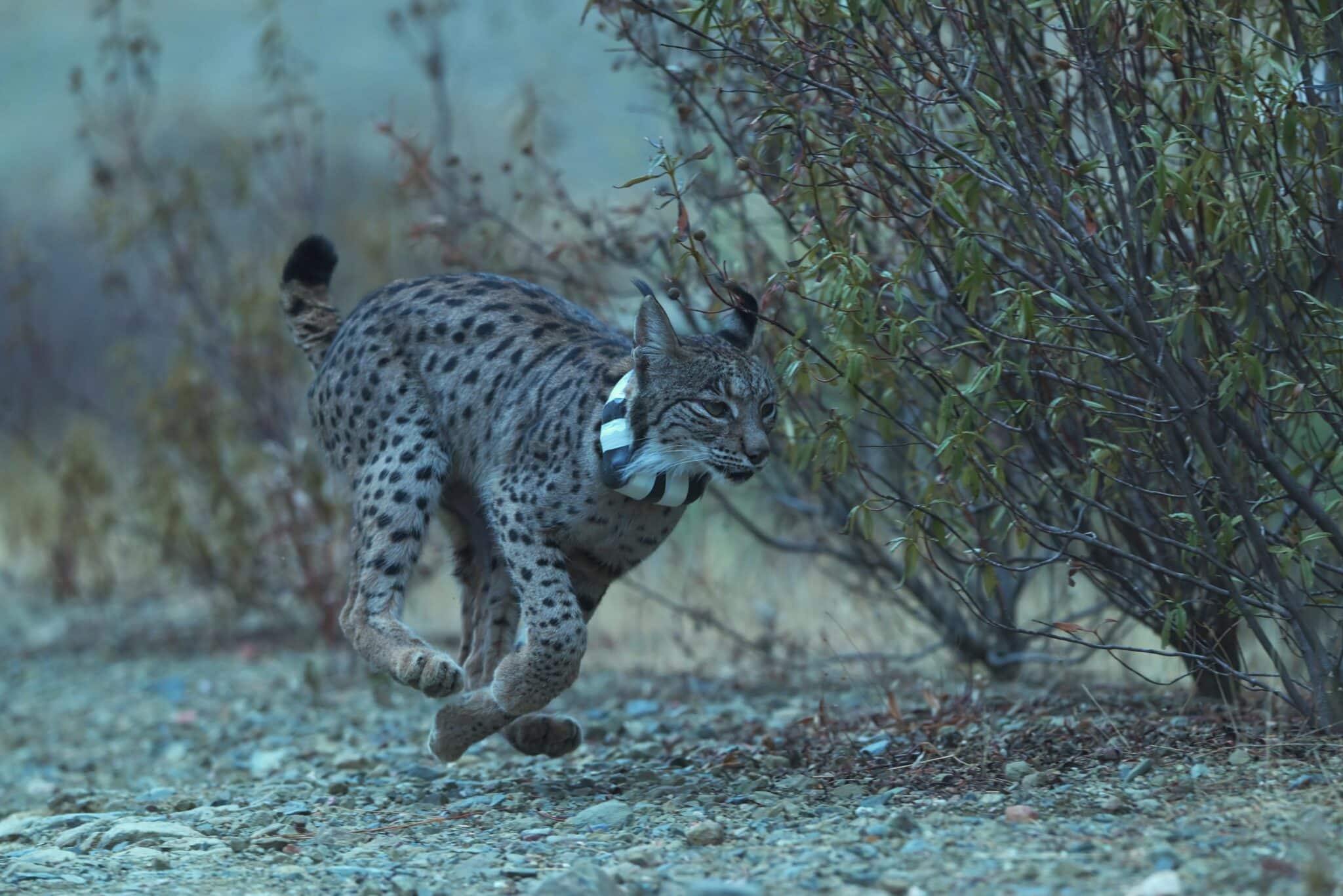
Portugal’s annual Iberian lynx monitoring campaign has reached a new milestone, with a record 35 Iberian lynxes captured between late September and early December – the highest number since the programme began in 2018.
The campaign, led by the Institute for Nature Conservation and Forests (ICNF), took place over 26 field days across the Guadiana Valley, stretching from Odeleite in the south to the Serpa area in the north. Across eight monitoring zones, teams captured 35 lynxes, including nine juveniles. As part of the project, 22 of the animals were fitted with tracking collars equipped with LoRaWAN technology. These devices not only help scientists follow the animals’ movements but can also trigger alerts to drivers via navigation platforms such as Waze when a lynx approaches particularly dangerous stretches of road – one of the species’ biggest threats.
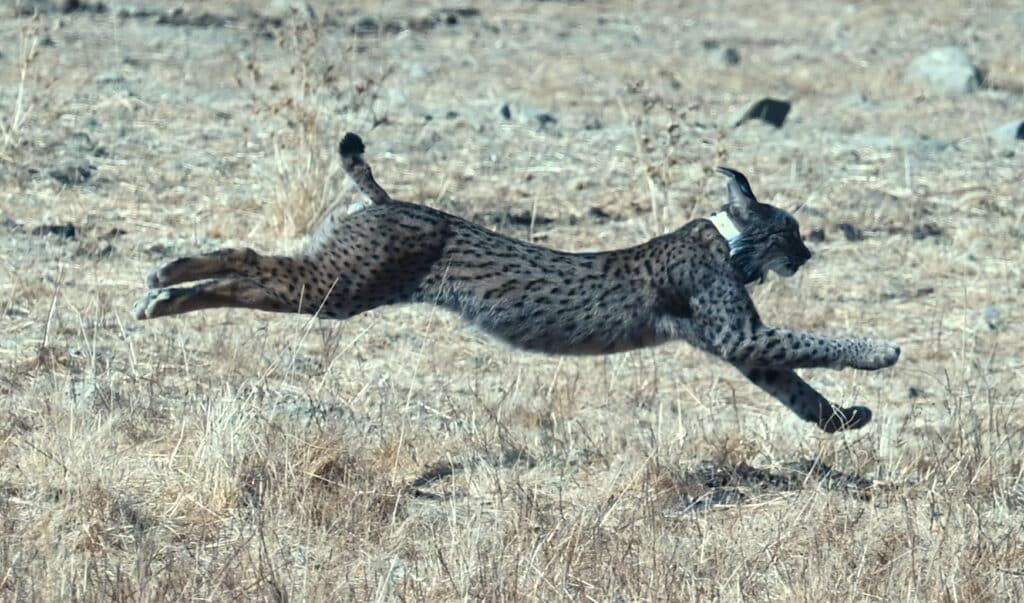
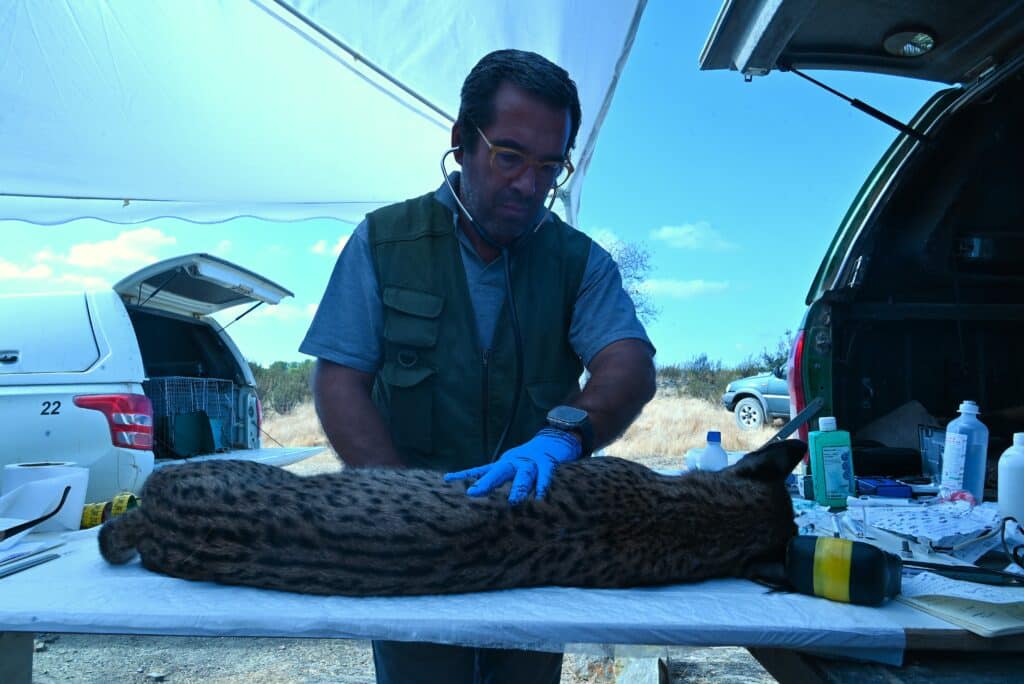
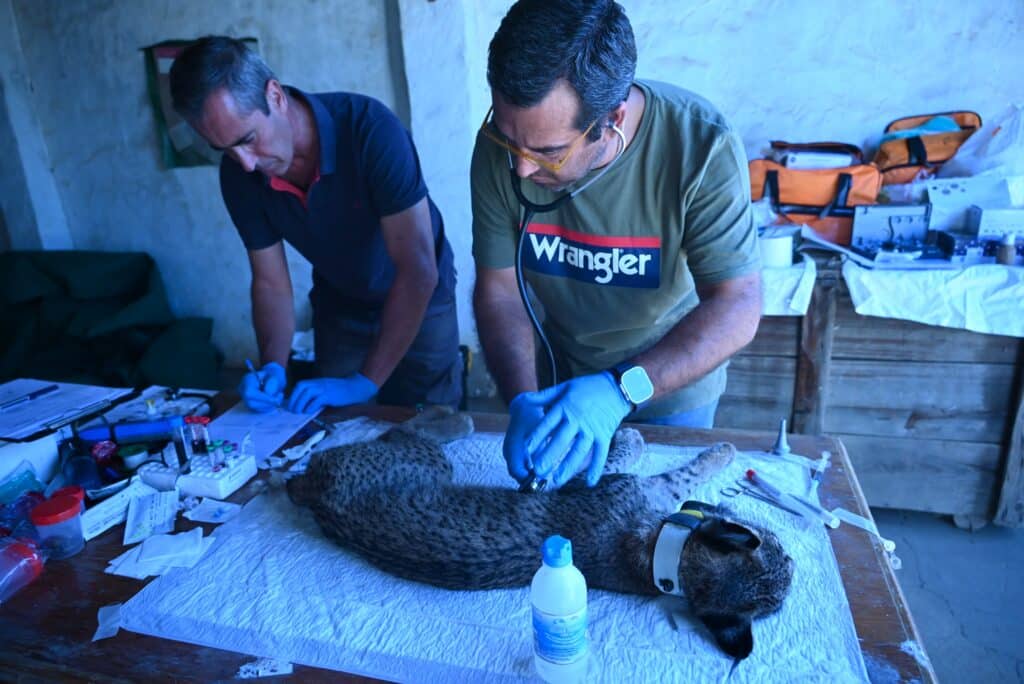
Each captured lynx was identified, photographed, examined and vaccinated, with biological samples collected for health checks and genetic analysis. Whenever possible, animals were released back into the wild with trafficking collars that help detect early health issues and map real risks on the ground.
The data gathered over recent years has already helped identify road sections where vehicle speed and the lynx’s natural curiosity create a dangerous and potentially deadly mix, allowing authorities to take targeted action.
This year’s campaign involved dozens of technicians, nature wardens and forest officers, whose “experience and persistence made 2025 the year with the most captured and tracked animals since the start of the programme,” the ICNF says in a statement. It also marked the final campaign under the LIFE LynxConnect project, a joint Portugal-Spain initiative which is “reshaping the map of the species’ survival.”
The campaign’s positive results are more good news for conservationists, following the reclassification of the Iberian lynx in 2024 from ‘Endangered’ to ‘Vulnerable’ on the Red List of Threatened Species. Recently, experts hailed the amazing recovery but warned that the species is not out of danger yet.
According to the latest Iberian Lynx Census, the population now stands at 2,401 animals, with the lion’s share in Spain (2,047) and 354 in Portugal. Of these, 1,557 are adults or “sub-adults”, while 844 are cubs born in the wild.