Environmental ‘protectors’ are speaking out against cleverly-packaged projects – already under public consultation in Portugal – carrying infinite downsides for communities and the natural world.
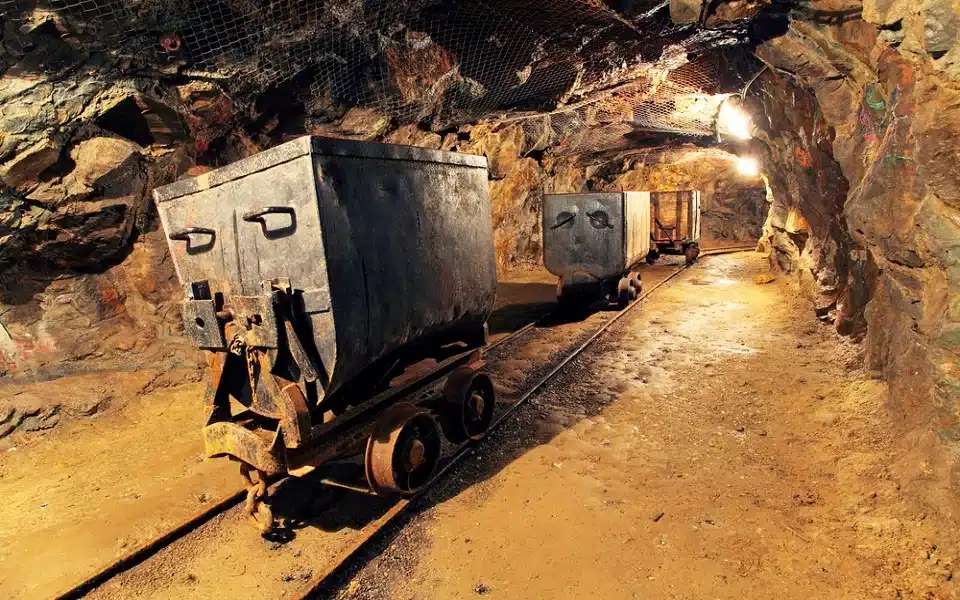
Lawyer Rui Amores – whose expertise lies in challenging plans that pollute and destroy, even in the name of ‘progress’ – has drawn attention in his latest substack to the reopening of the Borralha mine in Montalegre which “promises tungsten for the technological transition, but offers an added bonus: heavy metals in the water we drink.
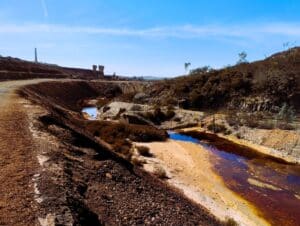
“It is not an exaggeration”, says Amores, insisting that the project’s own studies confirm that “entire rivers flow full of cadmium, mercury, copper and other poisons resulting from previous mining exploration. “These run off through large, abandoned spoil heaps directly into the Venda Nova reservoir, the dam that supplies drinking water to thousands of people in the Ave Valley and even to the city of Braga”.
In other words, the mine’s toxic legacy is already dripping through people’s taps. But the plan now is to “stir up this chemical hornet’s nest for another 15 years, in an area 2km from the (Venda Nova) dam, and 6km from the Peneda-Gerês National Park, right in the heart of the Gerês-Xurés Biosphere Reserve and the Barroso region, recognised as a World Agricultural Heritage site.
“What could go wrong?” Amores’ text quips
“Proponents of the project wave around supposed ‘measures of mitigation’ and empty guarantees. They talk about “recovering an abandoned mining area” and even cleaning up historic pollution”, but as the lawyer recalls, for years the “state has done nothing to decontaminate land where soils are laden with arsenic, lead and other elements, all of them “extremely toxic for the environment and public health”.
Now, the suggestion appears to be that a private company “motivated by profit, will do this public service (of land decontamination) for us? Perhaps they all believe in a mining Father Christmas?
“Experts from LNEG (the national laboratory of energy and geology) have already concluded that the area suffers from severe acid drainage, contaminating soils, rivers and aquifers, with severe impacts on biodiversity and possibly on public health”.
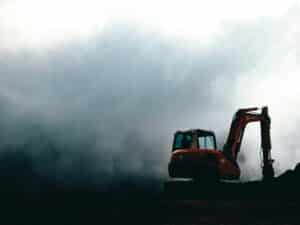
Even so, mining company Mineralia “wants to drill and blast the subsoil of Borralha in three daily shifts, 24 hours a day, expanding the already existing toxic cocktail”.
According to Amores, it gets worse: “There is no data on potential radioactive metals or radiological risk assessment” in the environmental impact statement.
Describing this project, under public consultation for another five days, as ‘the chronicle of a poisoning foretold’, Amores warns of the narrative that tungsten is another vital metal for humanity’s great leap forward.
“We, as conscientious citizens, cannot remain silent in the face of this environmental crime. Be outraged: get informed, share, participate in the public consultation (until November 17th) by submitting your objection on the Participate portal, sign petitions, and pressure mayors and health authorities. We will not accept drinking poison in the name of “progress.” The thirst for tungsten of some cannot stifle the thirst for clean water of all of us. It’s time to show that life is worth more than tungsten – say NO to the Borralha mine while we still have a voice and potable water to defend!”
It would be bad enough if this latest rallying cry were on its own, but it isn’t. Also under public consultation is the plan for the lyrically named “Sophia Parque Solar”, a €590 million project spanning Fundão, Penamacor, and Idanha-a-Nova which has already seen communities react in horror regarding the impact it will have on local life, livelihoods and biodiversity.
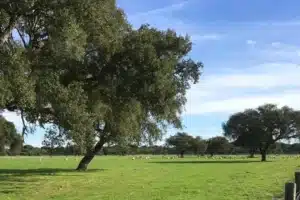
PAN has already called for the project to be suspended; mayors are saying much the same; environmental groups like Quercus have alerted to the devastating effects of the widespread felling of trees. But all the while, these projects eat into the Portuguese countryside.
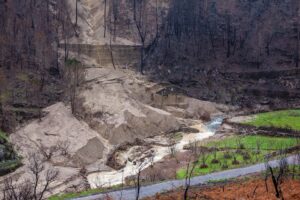
“In every region, the signs of strain are mounting. Hillsides cleared for roads and energy development increasingly give way under heavy rain. Riverbanks stripped of vegetation overflow more easily after storms. Towns already under pressure from neglect and ageing infrastructure now confront the added burden of large-scale industrial development undertaken without meaningful local involvement”, writes a post from Aware Algarve, which continues its warnings that “the country’s natural defences, its forests, wetlands, and fertile ground, have become the new sacrifice zones of an economy that mistakes depletion for progress”.
The irony is that “the energy sold as clean and sustainable is helping to destabilise the very ground it depends on. What began as a climate transition has become a green rush, a new kind of gold fever, a race for land and profit moving faster than the ecosystems it consumes”.
Thus, the public consultation for Sophia Parque Solar is yet another exercise where “every voice matters before the land and its resilience are lost”.
Source material: Rui Amores Substack/ Aware Algarve