In the quiet outskirts of Portimão and Silves, residents are fuming over the stinging smell rising from the local landfill. What was once promised as a carefully managed “sanitary” site has, they say, become a daily assault on their senses.
The smell emanating from the Aterro Sanitário do Barlavento (Sanitary Landfill of the Western Algarve) is increasingly unbearable, residents complain. The flies that they attract are a major nuisance. And some face sleepless nights due to relentless machinery sound, even in the late hours of the night.
The situation is already dire enough, but a new threat has emerged in the shape of a planned landfill expansion which residents vow to fight until the end.
“This isn’t a ‘not in my backyard’ issue,” says António Lambe, from the Associação Ambiental para o Barlavento, who has been following landfill projects in the Algarve since the 1990s. “It’s much more than that – it’s a national and international issue. One of the largest sources of greenhouse gases – methane and CO₂ – are landfills. And Brussels has recognised that.”
Making matters worse is the fact that “Portugal is among the worst EU countries for recycling, down there with countries like Romania and Malta.”
“We’re also talking about the effects of this on climate change and Portugal is one of the most vulnerable countries in Europe. We are in trouble,” says Lambe.
“It’s becoming unlivable”
Just a few hundred metres away from the landfill, Joana Rodrigues runs Churrasqueira Oriq, a family restaurant that has been in business for over 50 years. But in recent years, life near the landfill has become borderline unbearable.
“There are days and nights when you can’t even stay outside because of the smell,” she says.
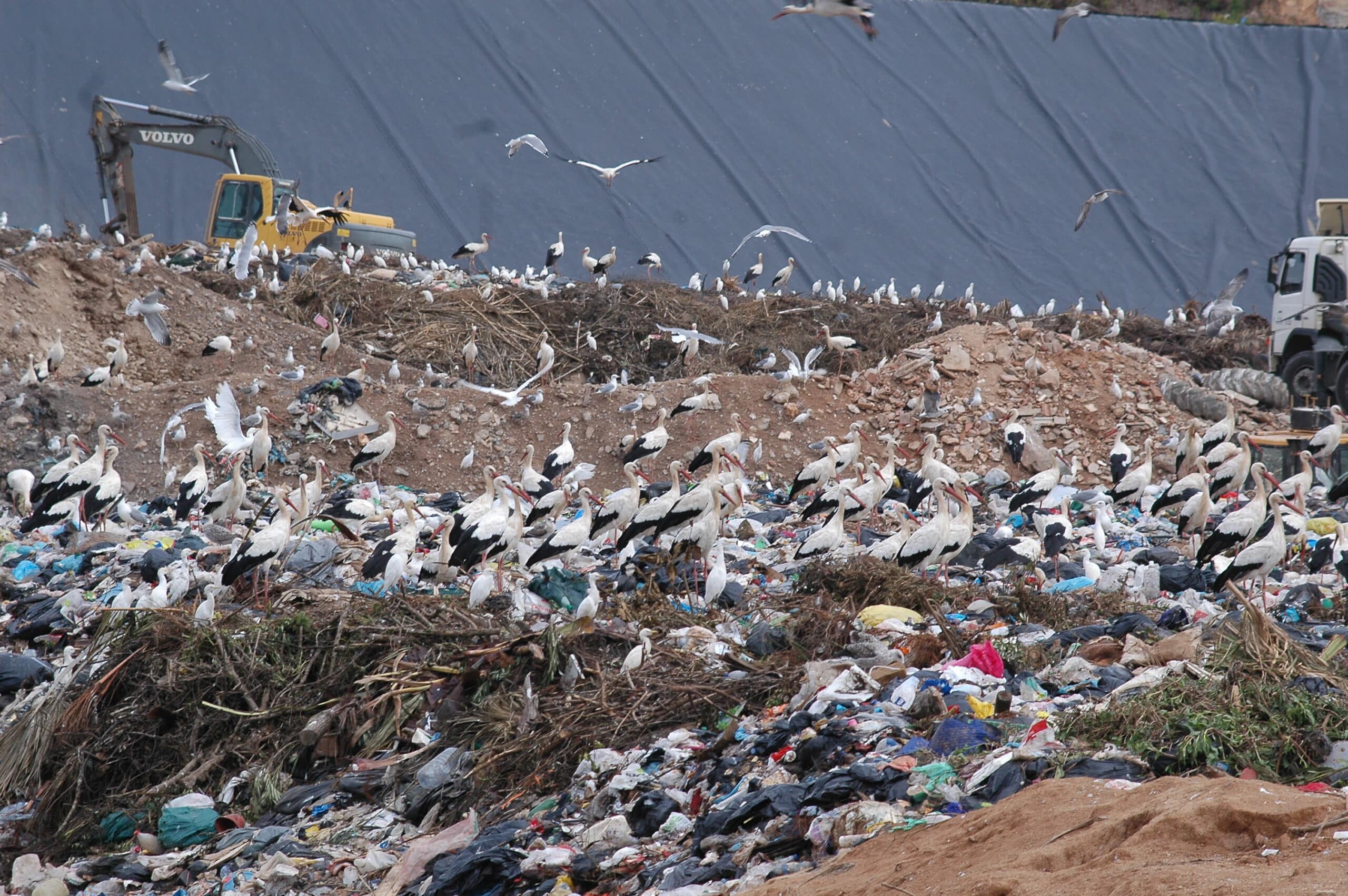
And it’s not just the stench. Residents describe swarms of flies, scavenging wild dogs, and storks that are attracted by the landfill and have become troublesome and destructive pests. “There is a pack of 20 wild dogs roaming,” Rodrigues explains. “They’ve attacked sheep, other dogs. What if they attack a person? Who’s responsible?”
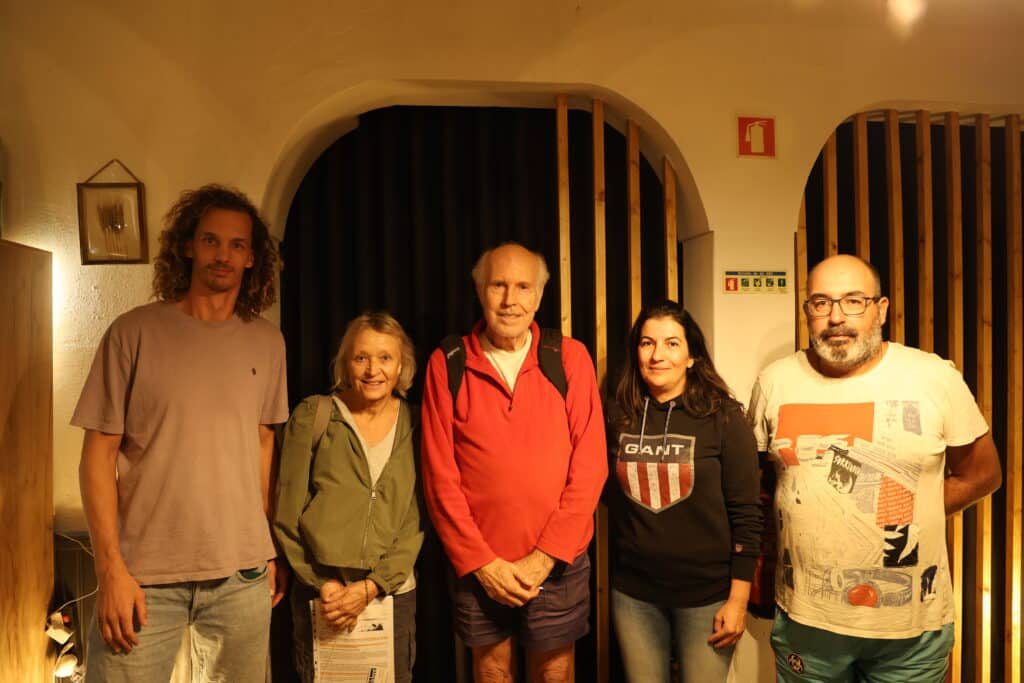
Local resident Marco Caetano said that storks, an otherwise protected and vulnerable species, have become a pest in the area. “They’re attracted by the landfill, and end up decimating the local fauna, from smaller birds to mice and rabbits.”
“And storks have been known to cause fires, as they fly near high tension cables and combust, spreading flames to nearby vegetation,” Joana adds.
Jane Jones, a British resident who has lived in the area for years, agrees that the problems are escalating.
“Everybody who lives in this area is suffering from the smells, from the flies,” she says. “And we don’t know what’s happening with the water – there’s no municipal supply here, only groundwater. If that becomes contaminated, we have no way of knowing.”
Dutch resident Fedde Lingsma adds another concern: sleepless nights. “It’s not only the smell,” he says. “It’s the noise – machinery running even at two, three, four in the morning. They claim they’ve done noise measurements in 2023, but over two years have passed. It doesn’t seem normal.”
Environmental groups call project “illegal”
Environmental association ZERO recently joined the outcry, accusing Algar (regional waste management company and operator of the landfill) of breaching Portuguese law. The group says the company’s proposed expansion – which would add a new landfill cell capable of taking 150,000 tonnes of waste per year – involves dumping untreated organic waste, explicitly banned under Decree-Law 24/2024.
According to ZERO, organic waste makes up around 40% of what goes into the landfill – material that should instead be composted or turned into biogas. The group also notes that even Algar’s own Environmental Impact Study admits the existing landfill already produces 55% of all greenhouse gas emissions in the Portimão municipality.
For Lambe, these figures confirm what residents have long suspected. “They’re admitting that nothing will change,” he says. “That means no reduction, no compliance with the law, and no effort to divert biodegradable waste.”
“A nightmare we can’t wake up from”
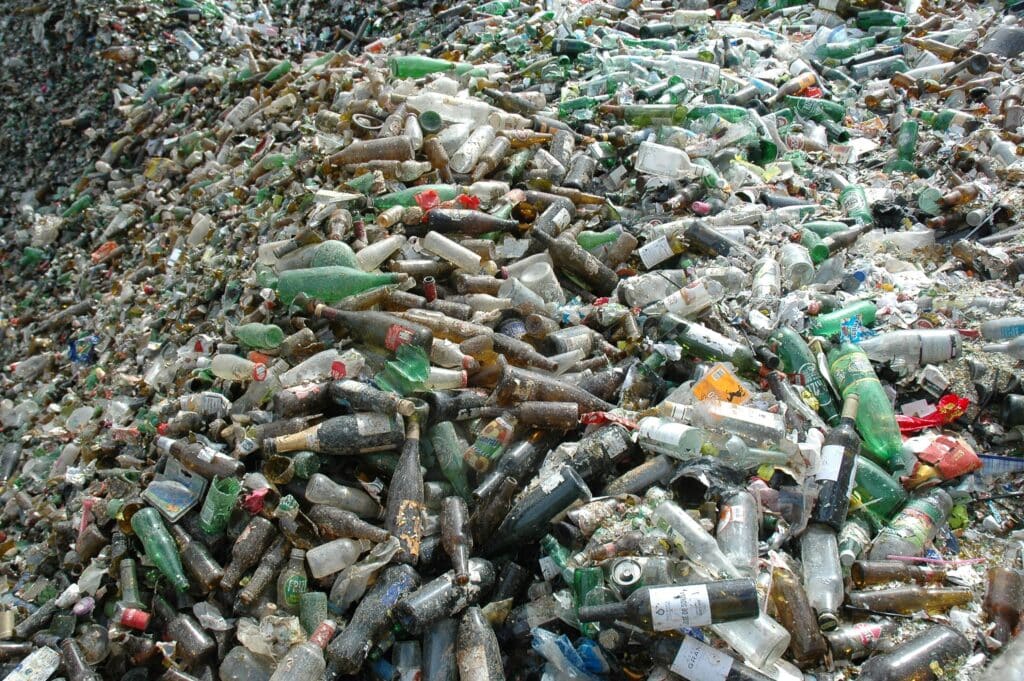
Joana shakes her head when asked what she wants to see happen. “They promised this place would become a recycling centre,” she says. “That was about 30 years ago. Now it’s a mountain of rubbish. Every year it gets higher. Every year it gets worse. The old dump nearby was better – at least it didn’t stink like this.”
Marco agrees. “Sometimes we look at it, and it feels like a nightmare we can’t wake up from,” he says. “This is supposed to be Europe, but it feels like the third world.”
Jane adds: “What makes it even worse is that there’s no one we can talk to. Everything we complain about just goes back to them – and they deny it, ‘No, it’s not happening.’ There needs to be an independent body monitoring what’s going on.”
Lambe agrees, insisting that local residents believe what they are asking for is “not preposterous” – namely for the laws governing landfills and rubbish management to be followed, and for authorities to increase investments and campaigns promoting the proper disposal of waste, particularly recyclables.
“We just want the law to be followed. Other countries manage to do this – look at Spain, not to mention countries in northern Europe.”
A fight that’s far from over
ZERO has called for a total overhaul of waste management in the Algarve – including door-to-door recycling, a Pay-As-You-Throw system, and proper treatment plants for mixed waste – which could divert more than 65% of rubbish away from landfill.
Meanwhile, Lambe says he’s ready to take the fight further. “If this doesn’t work, I’ll go to the Ombudsman. And if that fails, I’ll go to Brussels,” he vows. “This isn’t just about Portimão. It’s about a problem affecting all of us, everyone around the world. It’s time to get our act together.”
Algar was contacted for comment on the local reaction to the landfill expansion project. The company confirmed they were working to provide a response but were unable to do so before this article was published.
Algar “fully available to speak with residents”
In a written response to the Resident’s queries, Algar says it “regrets the reported inconveniences” and remains “fully available to speak with residents, listen to their concerns, and provide information about the work carried out” at its facilities.
The company says construction of the new Cell E at the landfill – foreseen in the original project, it highlights – aims to ensure “the continued responsible management of urban waste in the region.”
Algar insists that the works will take place on its own land, using existing infrastructure such as drainage systems, leachate treatment facilities, and the biogas network. The company also underlines that the company “complies with all current environmental regulations,” carries out continuous monitoring, and implements “noise and odour control measures.”
According to Algar, the project aligns with Portugal’s national waste strategy (PERSU 2030), as well as its “absolute commitment to environmental protection and service quality”.
Noting that it is regularly audited and inspected under national legislation, Algar pledges “maximum responsibility and transparency” in all actions and a “growing willingness to ensure the quality of service provided” to all stakeholders.