Storm Erminio, which has been raging along Italy’s Adriatic coast during the Easter weekend, has served to remind us of the fateful Storm Kristin which afflicted Portugal only two months ago.
Incessant heavy rain with winds gusting up to 130 kmh caused widespread flooding In the central region. Several rivers burst their banks and usually dry valleys became torrents with the result that severe landslides caused bridges and roads to collapse thus closing the north-to-south rail and motorways.
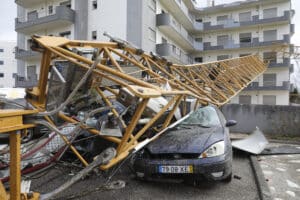
The consequent damage to both residential and commercial buildings (e.g. the Stellantis plant in Termoli) made evacuation necessary. Civil protection and local administrators were unable to cope with such critical conditions and initial estimates for the cost of immediate repairs are colossal.
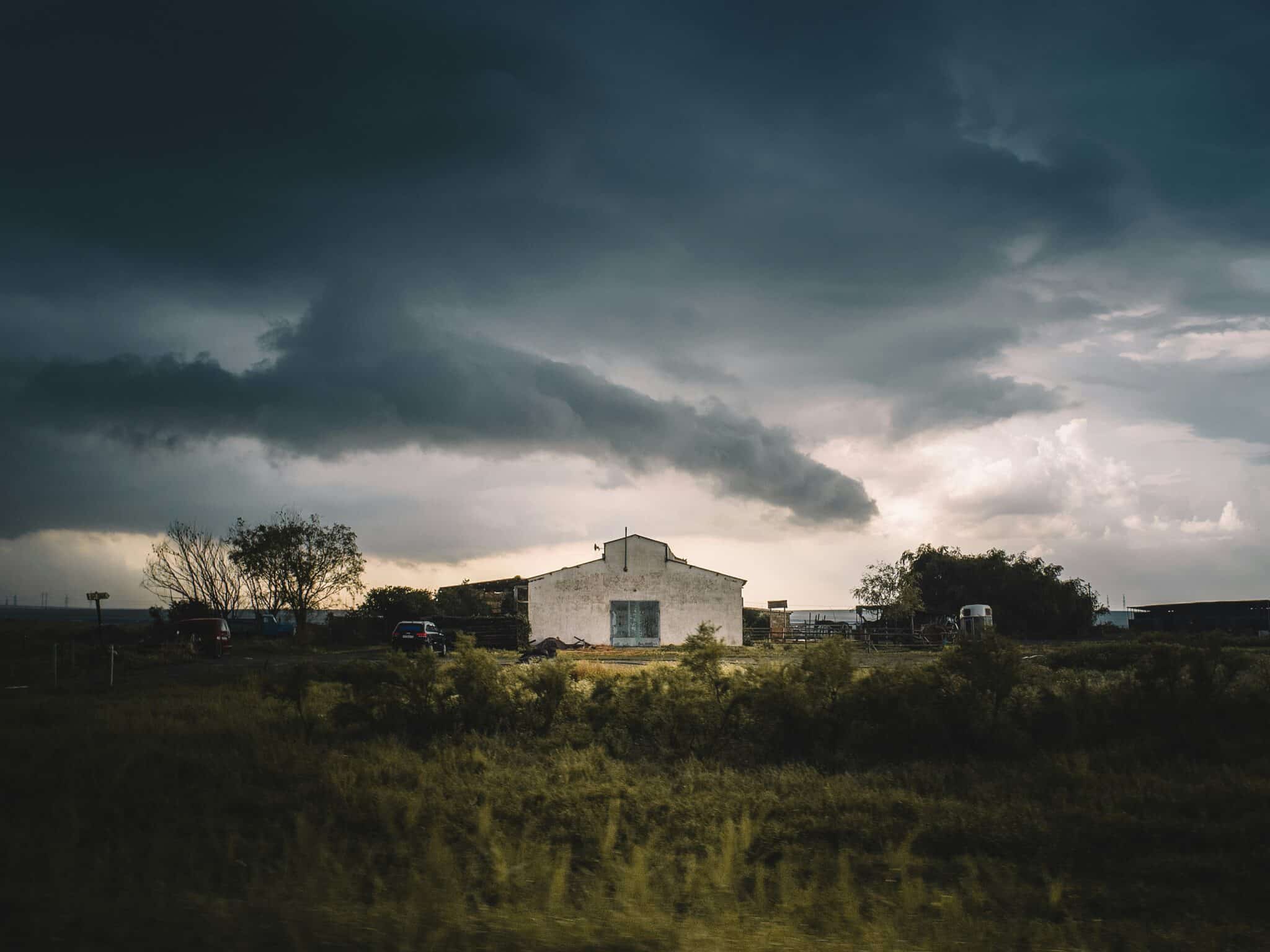
The extraordinary weather conditions of Erminio and Kristin together highlight the fragility of a national infrastructure which is ill-prepared for such emergencies whether they be hydrological disasters or tornados with gale force winds. Their frequency is forecast to become common-place.
When followed by long periods of extreme heat, the eventuality of construction collapse will surely follow being due to the undermining of building foundations and land movements such as sink-holes and the ever-present risk of earthquake.
The initial frantic efforts by local people to effect emergency repairs on the wartime principle of “make do and mend” were intended to be aided by what the prime minister described as streamlined processes to ensure that essential funds arrived speedily. Some did; most did not.
Once the media spotlight diminished, the government did what governments always do. It formed commissions of enquiry and instituted “safeguards” for the processes of distributing relief at snail’s pace.
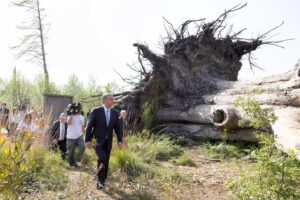
To comprehend the reality of people’s lives, it is necessary for politicians to step outside the comfortable Lisbon bubble to experience fully the cauldron of climate change and the double toil and trouble which will bring cumulative disasters due to wind, fire and water.
For the many thousands who have suddenly been forced to endure the destruction of homes and livelihoods which have taken decades to build, it is not enough to receive a pat on the back and advice to claim on an insurance which does not exist for people who have never been able to afford such luxury. Neither does it help those who rely on subsistence farming and affordable services such as light and water to survive.
In anticipation of the next calamity, it is important to establish now a Disaster Fund to which all citizens should contribute through taxation. Money must be in the hands of local government and their civil protection organisations to ensure that relief is applied immediately when a disaster strikes.
Moreover, grants should be available to families and businesses so that property is not merely patched but improved to modern architectural standards such as insulation, drainage and concrete foundations so that the safety and comfort of the ageing Portuguese housing stock is enhanced.
If, by using materials and labour intended for investment in luxury real estate, this requires a fall in GDP and a return to temporary austerity, then it should be regarded as an honourable project to enable our young people to live in family homes with the dignity and sense of purpose which has so often been denied to their elders.