Portugal’s lifeguard federation has sent out an urgent appeal as visitors arrive for Easter, and temperatures soar: ‘please do not take risks in the water’.
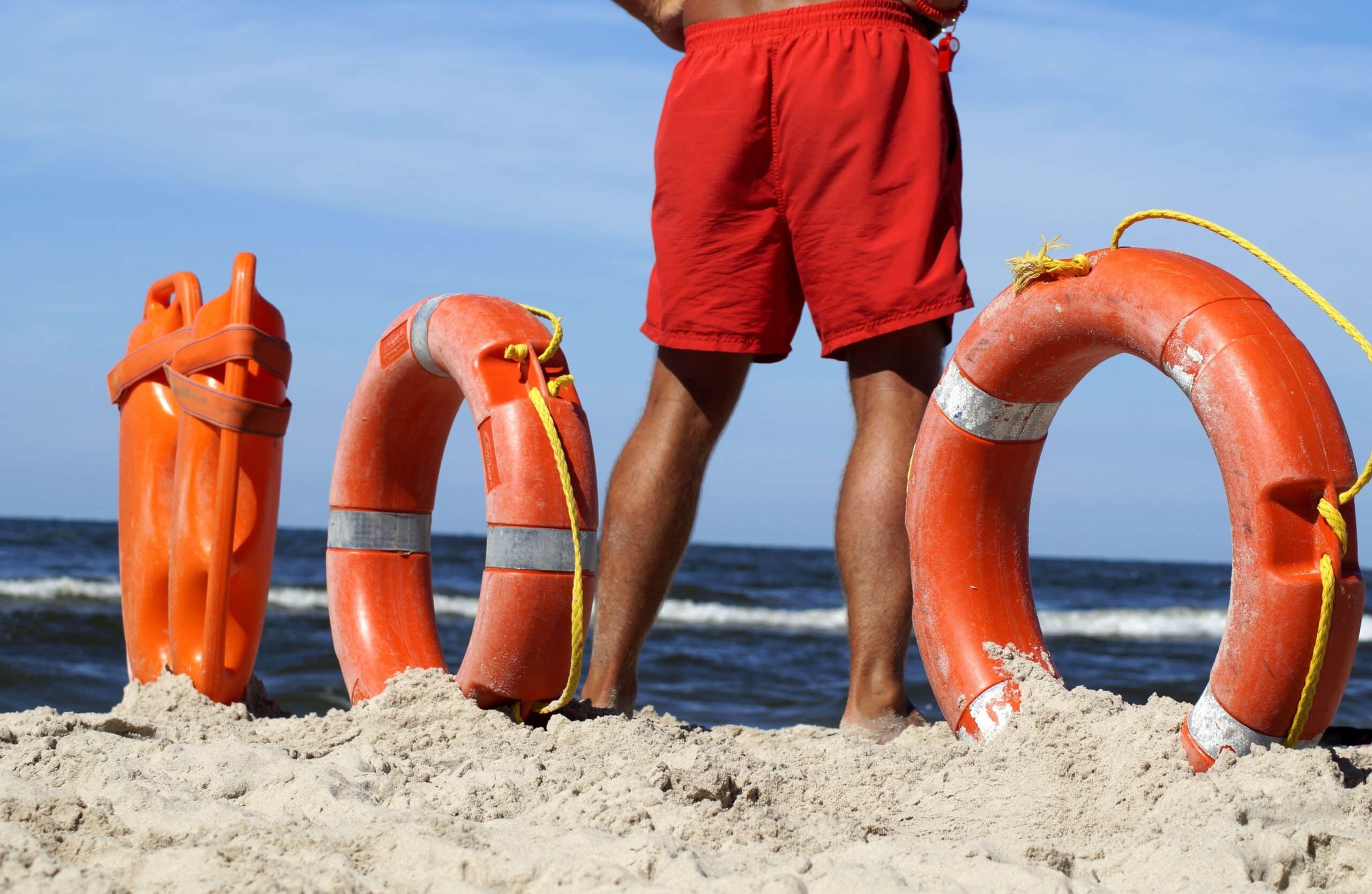
Easter, traditionally, is the most critical time for drownings, because most beaches are not being ‘watched’ by seasonal lifeguards, trained to save lives and stop people taking unnecessary risks.
Over the last four years, no less than 42 people have drowned over the Easter holidays. In 2024 alone, the tally reached 20, due to exceptionally warm weather.
As the federation explains every year: the sea is still what it terms ‘a winter sea’ – currents are still strong. But, even more ‘dangerous’ perhaps is the fact that authorities refuse to concede to the federation’s call for ‘year-round beach vigilance’ (in line with some other countries).
“Evidence demonstrates that the risk of drowning is not limited to the bathing season,” says the federation – the bathing season generally starts on June 1 and runs to either September 30, or in some cases, October 15. “A significant number of drownings take place outside this period, namely during Easter. The implementation of a continuous model of vigilance, adjusted to the risks and characteristics of each location, is an essential measure to reduce the number of victims”, and ensure numbers, it adds.
The number of available lifeguards, due to the seasonal nature of the job, is always ‘an unknown’. Often, Portugal ends up having to recruit lifeguards from countries like Brazil and Argentina. All this would not be necessary if the ‘job’ became a profession, which is what the federation is pushing for.
But in the absence of long-standing demands being met, the onus is on beachgoers themselves: do not take risks in the water this Easter.
Source: Correio da Manhã