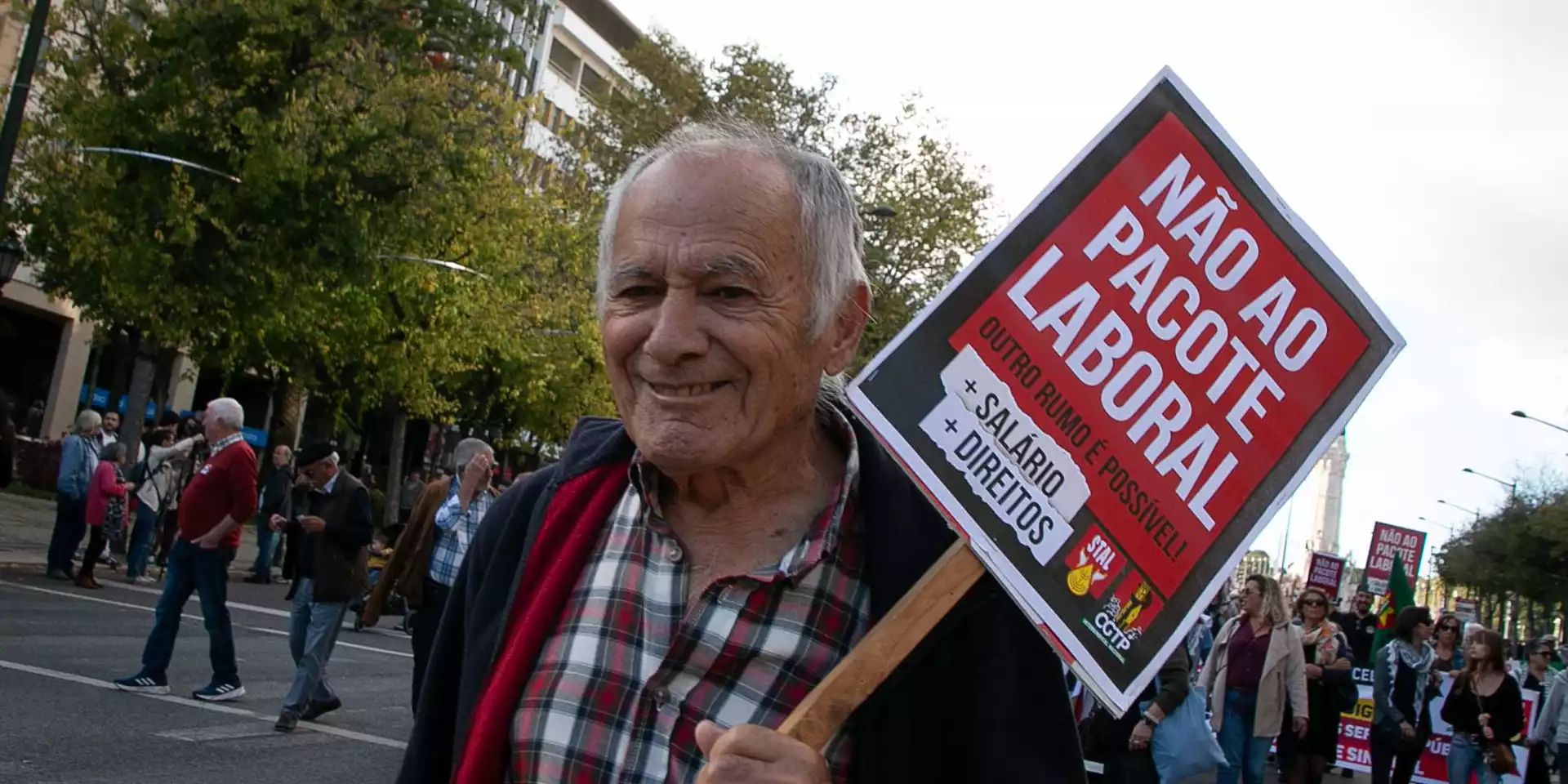
With today’s general strike already set to spill over into Friday (giving public sector workers yet another long weekend) warnings are that this is ‘just the beginning’.
The hope expressed by the prime minister that the strike can ‘be done with’ to allow negotiations to continue (in the direction set out by the government) is already on shaky ground. Union leaders have already stressed that further actions will follow unless the government withdraws the labour reforms it is trying to push through.
For now, today sees the first general strike in almost 13 years. Busy urban centres are seeing the full force of it: transports on skeleton services; hospitals cancelling surgeries, exams and consultations; schools shut (and likely to stay that way until Monday); railways on the slowest of ‘go-slows’; refuse collections suspended – in short, it’s the stuff of nightmares for anyone trying to get anything done.
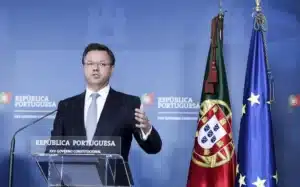
In this context, it is relatively amusing to see the prime minister say that he hopes the country “functions as normally as possible” as the exercise of rights (to strike) “should not impede others”.
If this is an attempt to create a feeling of anger by some towards the sectors that are striking, it would appear not to have worked: the general consensus in the country (supported by commentators in the media) is that the labour reforms on the table are clearly slanted towards employers, prejudicing employees.
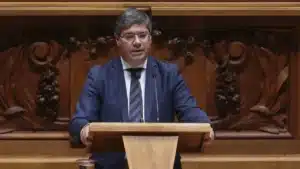
UGT – the syndicate most habitually ‘favoured’ by centre-right governments – has stressed that it is fully in favour of returning to the negotiating table as early as tomorrow, but “a strike can never be excluded” – meaning the spectre of ‘a second general paralysation’ (the words of Jornal de Notícias) remains.
As for what all this is ‘costing’ in terms of damage to the economy (only recently hailed as the best of 36 leading countries of the world), Jornal de Notícias suggests €792.8 million (and that will just be on the basis of shut-downs today).
The fact that so many services are not running, however, does imply some savings in terms of energy and transport costs, the paper adds.
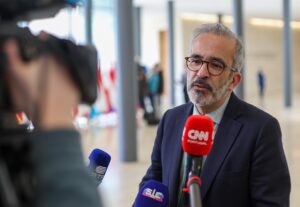
Rui Tavares – leader of left wing party LIVRE – believes today shows the reaction of the people against labour reforms that are “an attack on all those who have supported the Portuguese economy”.
As such, the enormous support that unions and services are showing, represents the first major defeat of Luís Montenegro’s executive, he said.
Source: Jornal de Notícias/ Lusa