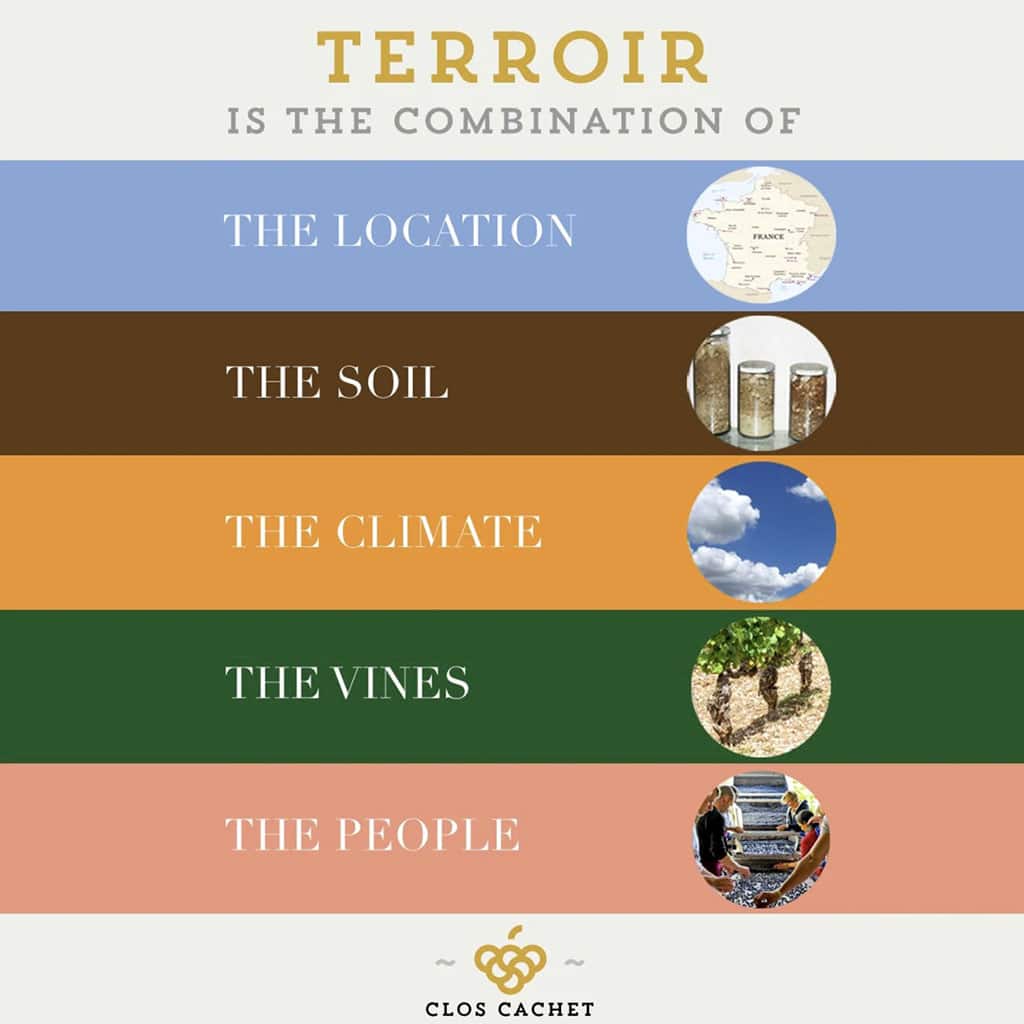
In my opinion, terroir can be an exciting, sexy, sophisticated, sometimes pretentious, earthy and even romantic word.
My professor and mentor in New York City said that terroir is made up of five elements; climate, aspect (direction the vineyard is facing and degree of slope), grapes, soil and the hand of man. My colleague at Monte da Casteleja (Lagos) said that it is like the fingerprint of the wine and I loved that! Both are correct and I think give the full picture of what terroir can mean.
Terroir-driven wines are like time capsules of the year they came from and can evolve or change each year depending on that year’s five individual elements and how they react to their circumstances.
For me, when I taste a wine and the flavor is so vivid that I can identify the grapes, the place, how the wine is made and feel transported to where I am standing in the middle of the vineyard where the grapes were grown, even if I’ve never been there before, that’s terroir.
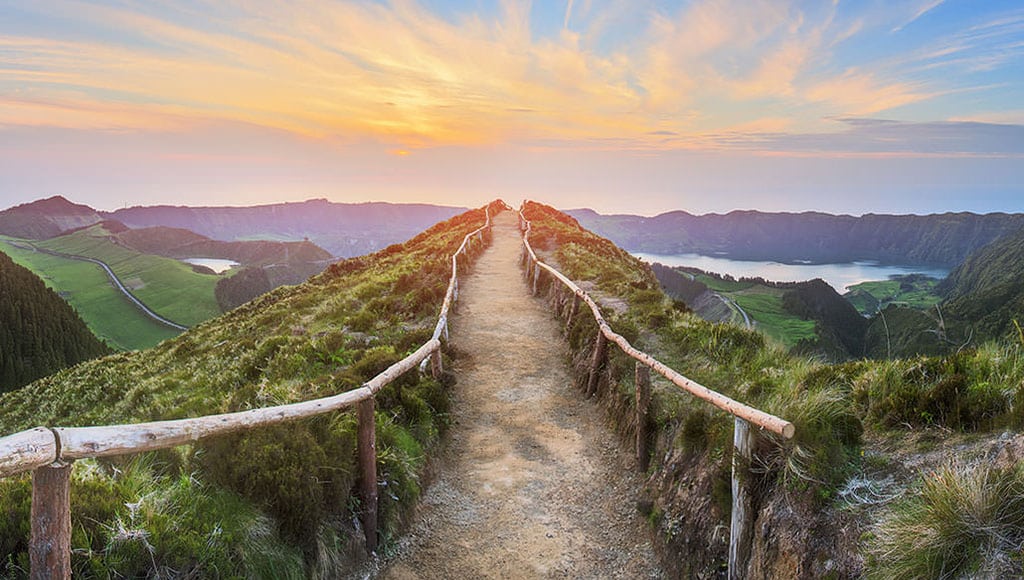
The two most distinct wine regions in Portugal known for their unique terroir and wines that echo their place are the Açores (Azores) Islands, located approximately 1,300km away from continental Portugal, in the middle of the Atlantic, and Colares, located just north of Lisbon.
The Açores is an archipelago composed of nine volcanic islands with only three producing wine. The climate here is maritime and strongly influenced by the ocean with heavy rains and mild temperatures all year round.
Wines from the Açores are known for being unique and at times hard to find as only a fraction of the wine being made there makes it to the mainland. The wines can be mineral driven, loaded with tension, refreshing with sometimes mouth-puckering acidity, and a distinctive salty or even smokey character from the island’s unique volcanic soils.
The key grape varieties you’ll come across here include Arinto dos Açores, Verdelho, and Terrantez do Pico, particularly for whites, while reds are made from varieties like Saborinho and Agronómica. The most famous wines come from the island of Pico, which is also a UNESCO World Heritage site.
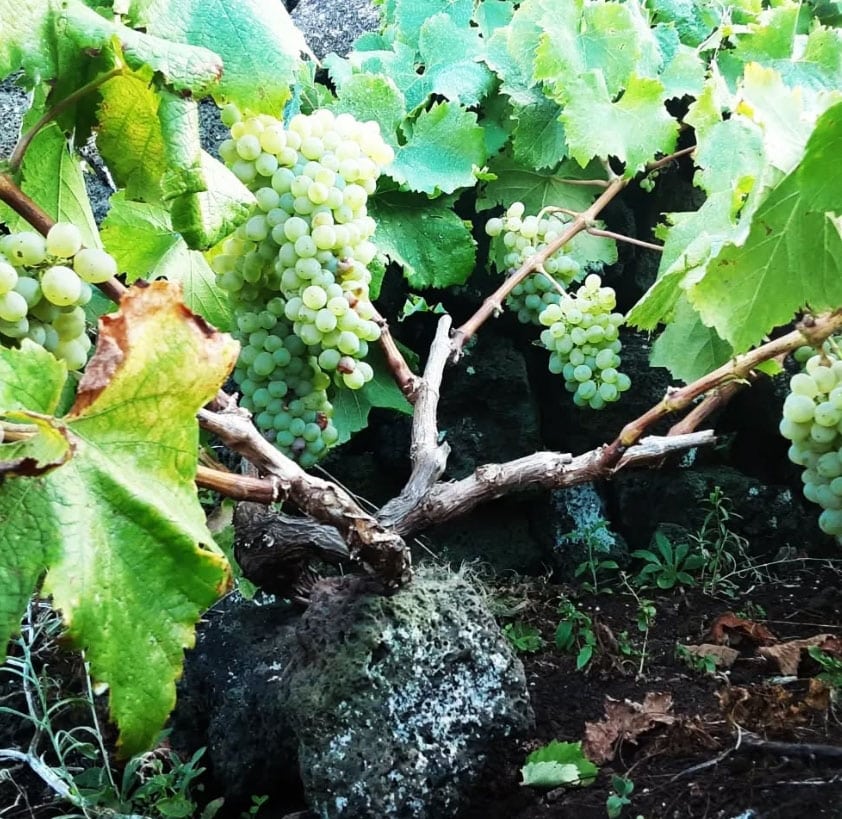
Due to the rain and the fierce winds the islands can experience, the vineyards are planted in ‘currais’, ‘corrals’, or ‘curraletas’ – volcanic stone walls that encircle the vines. These currais not only serve to protect each individual vine from the storms and the salty air coming from the sea, but these volcanic walls are rich in nutrients and can release heat accumulated during the day to support growth, creating surprisingly exceptional conditions for the vineyard and its cultivation.
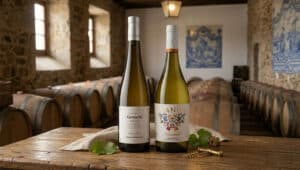
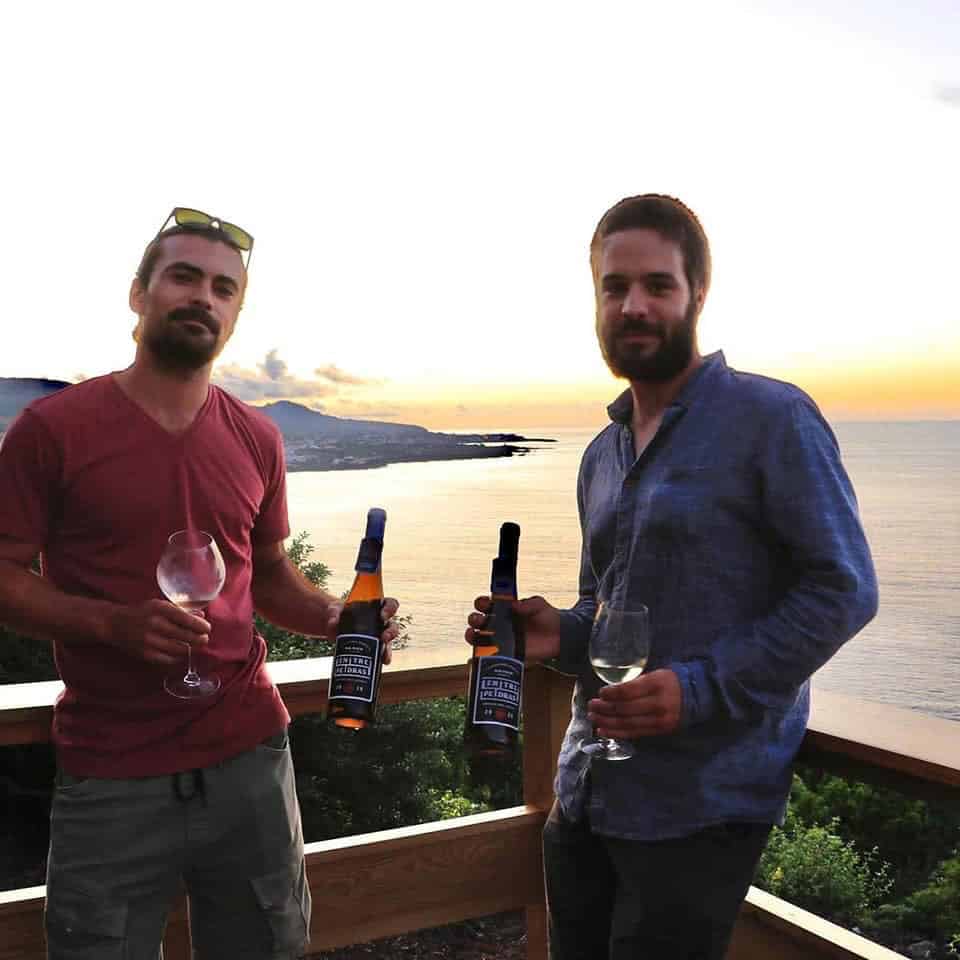
One of my favorite producers from the Açores is Entre Pedras. A relatively young adega founded in 2017 by two passionate friends, André Ribeiro andRicardo Pinto, and their shared love of the region, its history and the heritage of the vines on Pico Island.
Please visit entre-pedras.com to learn more about this exciting project and buy their wines!
Colares is a Portuguese wine region centered on the Colares parish, in the municipality of Sintra, with a royal wine history dating back to the 12th century. Located along the southwestern Atlantic coast, this area’s vineyards are influenced by very strong sea winds but are protected by reed palisades, pine forest and sand dunes, giving this small wine region a very special landscape.
Generations ago, the vineyards here covered about 2,500 acres but have since been reduced to just 50 acres due to the suburbanization of Sintra. Because grapevines there are grown directly in the sand, and phylloxera aphids cannot live on sand, the Colares vineyards are some of the only European vines that are not grafted upon American rootstocks.
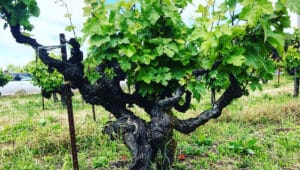
The ungrafted Ramisco vines of the Colares region are some of the oldest in Portugal. Growing like wild tree logs with long tendrils and vine branches crawling along the sand, the vines, when loaded with grapes, are supported by small reeds to keep them just off the sand to protect them from moisture but close enough to still benefit from the ambient heat while also avoiding the strong winds.
Often when the moisture gets to be too much, newspapers are laid down underneath the vines to absorb the humidity. Imagine working these vines? The system is ingenious and wildly, albeit subjectively, beautiful.
The principal grapes of the Colares region are Malvasia and Ramisco. Red wines, which make up 75% of production, are grown from Ramisco grapes and are aged for over 10 years. The region’s white wines are traditionally grown from a local variant of Malvasia and are not aged as long as the reds.
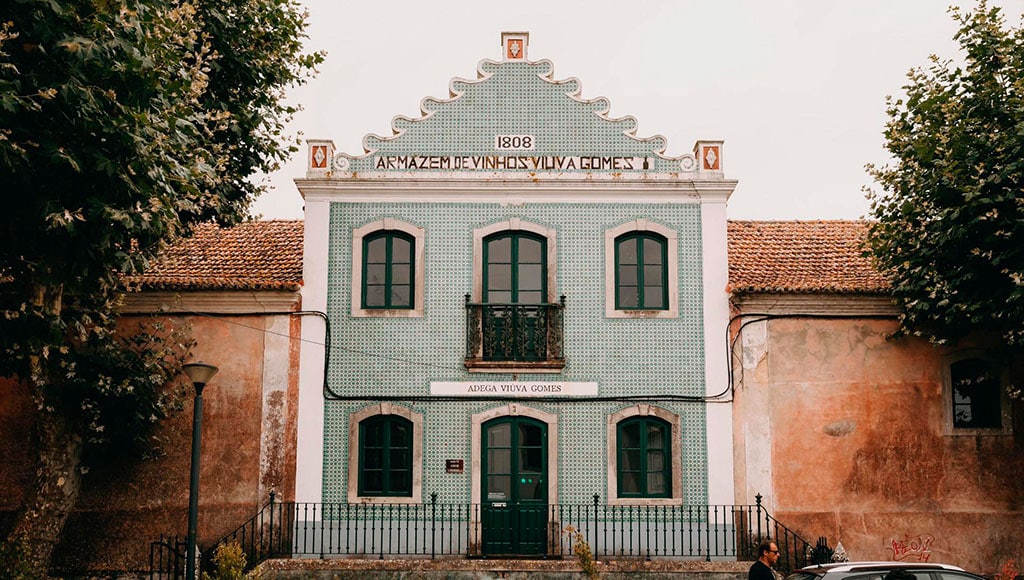
One of my favorite producers in the Colares region is Viúva Gomes, with a family history in Sintra dating back to 1908. This family-owned adega is currently led by the family’s 5th generation. They work organically with six small vineyards by the sea, all within the geographical limits of the Colares Region.
Working both with the associated winegrowers of the Regional Winery of Colares, as well as collaborations with local winegrowers, together they believe that “the future is made with the past”.
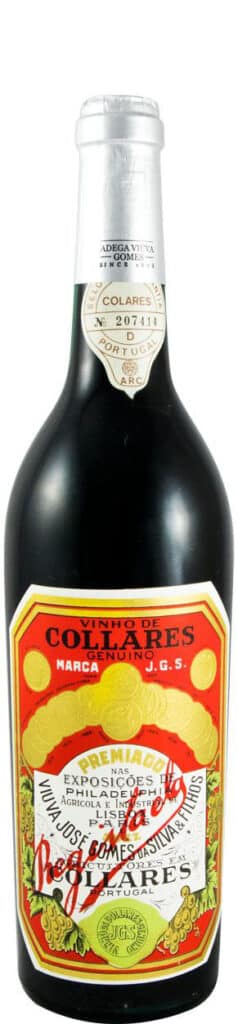
Today, Viúva Gomes can be proud to have old wines dating back to the harvest of 1934. All beautifully maintained, they constitute a unique testimony to the nobility of their DOC wines.
I’ve personally had their wine from 1934, and it was mind-blowingly complex, alive and full of salty savory layers. A light rust color but still full of tension and perfect to sip while thinking about Portugal, this region and what they were up to in 1934!
Today, you can find bottles released from 1965, 1967, 1969 and 2017!
Visit this website rotadosvinhosbcc.com to discover all the wineries located in this unique region. And viuvagomes.com to visit this adega.
I hope this article about one of my favorite words in wine will inspire you to go on a journey to discover some of these wines for yourself and to try to find more wines from Portugal and abroad that you think are the most expressive of terroir!