
It seems quite harmless and, of course, very comfortable. However, this everyday habit may quietly contribute to a wide range of physical problems throughout the body.
How crossing your legs affects your body
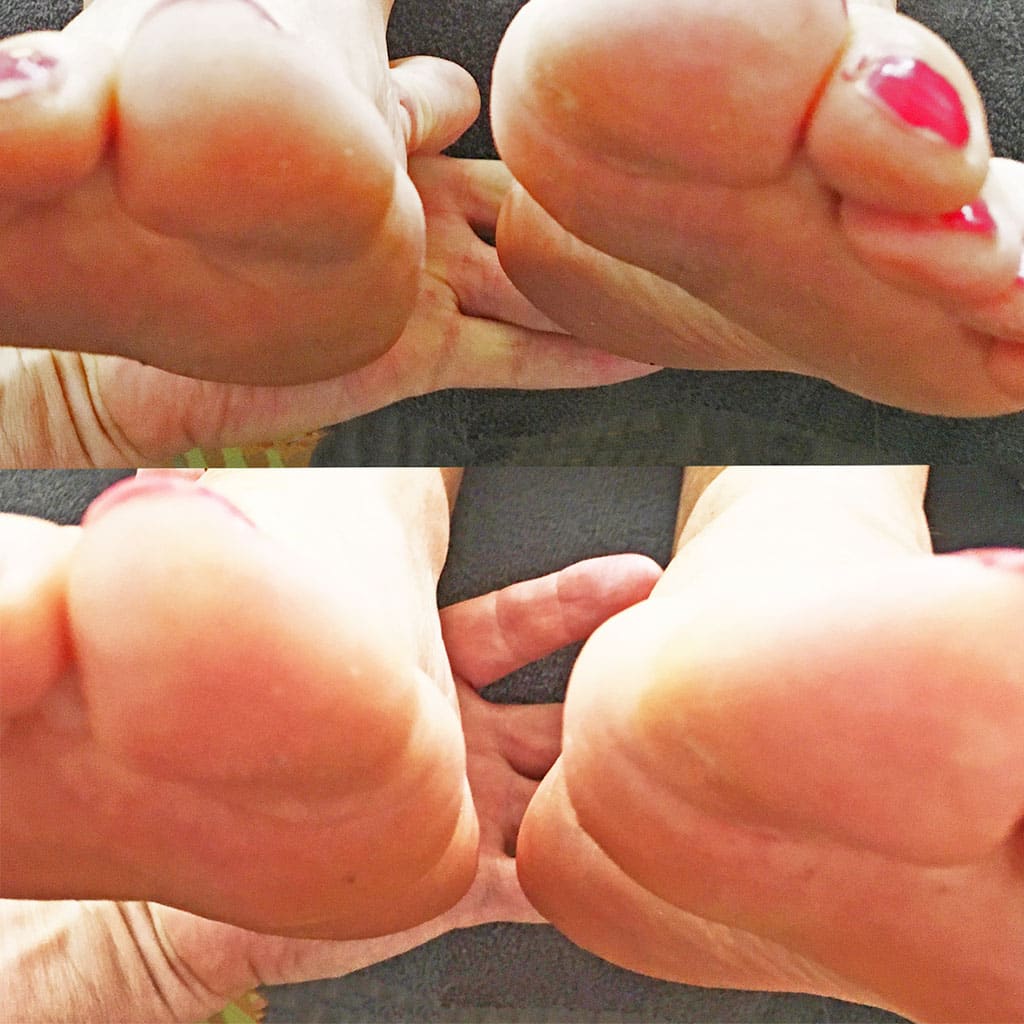
One common sign for our therapists is that something is ‘off’ in the body and this is often discovered to be a difference in leg length. Even a small difference, sometimes as little as 1cm, can affect balance. When one leg appears shorter than the other, the body has to adjust to stay upright.
Over time, this imbalance can place extra strain on the knees, hips and lower back and can even spread upward to the shoulders, neck and even the jaw. Many people experience ongoing aches or stiffness that seem to move around the body, without realising the root cause is poor posture and bad sitting habits.
If left uncorrected, these imbalances can lead to chronic pain, reduced flexibility and recurring discomfort that interferes with daily life.
The encouraging news
The good news is that most leg-length differences are not permanent. In around 95% of cases, the issue is caused by misalignment due to poor posture or repeated habits, such as always crossing the same leg.
Because these problems are not structural, they can often be corrected. With the correct hands-on treatment, such as mobilisation or manipulation techniques, balance can sometimes be restored quickly, even in a single session. Many people feel noticeable relief once their body is realigned.
When leg length really is different
In a small number of cases, leg-length differences are structural. This means one leg bone is genuinely longer than the other. This type of issue cannot be confirmed by observation alone and requires medical imaging and assessment by an orthopaedic specialist.
When the difference is structural, the usual solution is a shoe insert to address the imbalance and reduce strain on the body.
Problems can arise, however, when shoe inserts are given to people whose imbalance is caused by a misalignment. In these cases, inserts may make posture worse and create problems in other areas. Once the leg length imbalance is corrected, many people find they no longer need inserts at all.
Why pain often comes back
You may have heard of “muscle memory”. When the body gets used to an uneven posture, e.g. favouring one side or sitting cross-legged repeatedly over many years, it doesn’t always adjust permanently once corrected. The muscles and joints may try to return to old patterns of sitting and relaxing.
This is why some people need more than one treatment before the body fully accepts its new alignment. Activities such as running, gym workouts or sports like tennis can also knock the body out of balance again, especially if posture habits remain unchanged.
Why treatment may start at the feet
It can be surprising when neck or shoulder pain is treated by firstly attending to the feet or legs. But the body works as a connected system. For example, if one leg is shortened by the misalignment, the pelvis may tilt. This can cause one hip to rotate, a knee to shift position and the lower back to tighten. From there, tension can travel up the spine, affecting the shoulders, neck and jaw. Nerves may become irritated and circulation can be reduced, adding to further discomfort.
Treating only the painful area may help temporarily, but addressing the underlying imbalance often leads to longer-lasting relief.
A habit worth reconsidering
If you’re reading this with one leg crossed over the other, take it as a gentle reminder to change position occasionally. Sitting with both feet flat on the floor helps distribute weight more evenly and reduces strain.
Breaking long-standing habits isn’t easy, but small changes can make a real difference. Crossing your legs may feel comfortable now, but your body could be paying the price later. Sometimes, it’s the simplest habits that are worth rethinking.
Also read Paul Jokinen-Carter‘s article The advantages of early intervention for the treatment of pain or Why New Year’s resolutions are hard to keep – and what we could do instead