The University of the Algarve (UAlg) wants its future campus in Portimão to be a “walls-free”, eco-friendly and community-focused establishment.
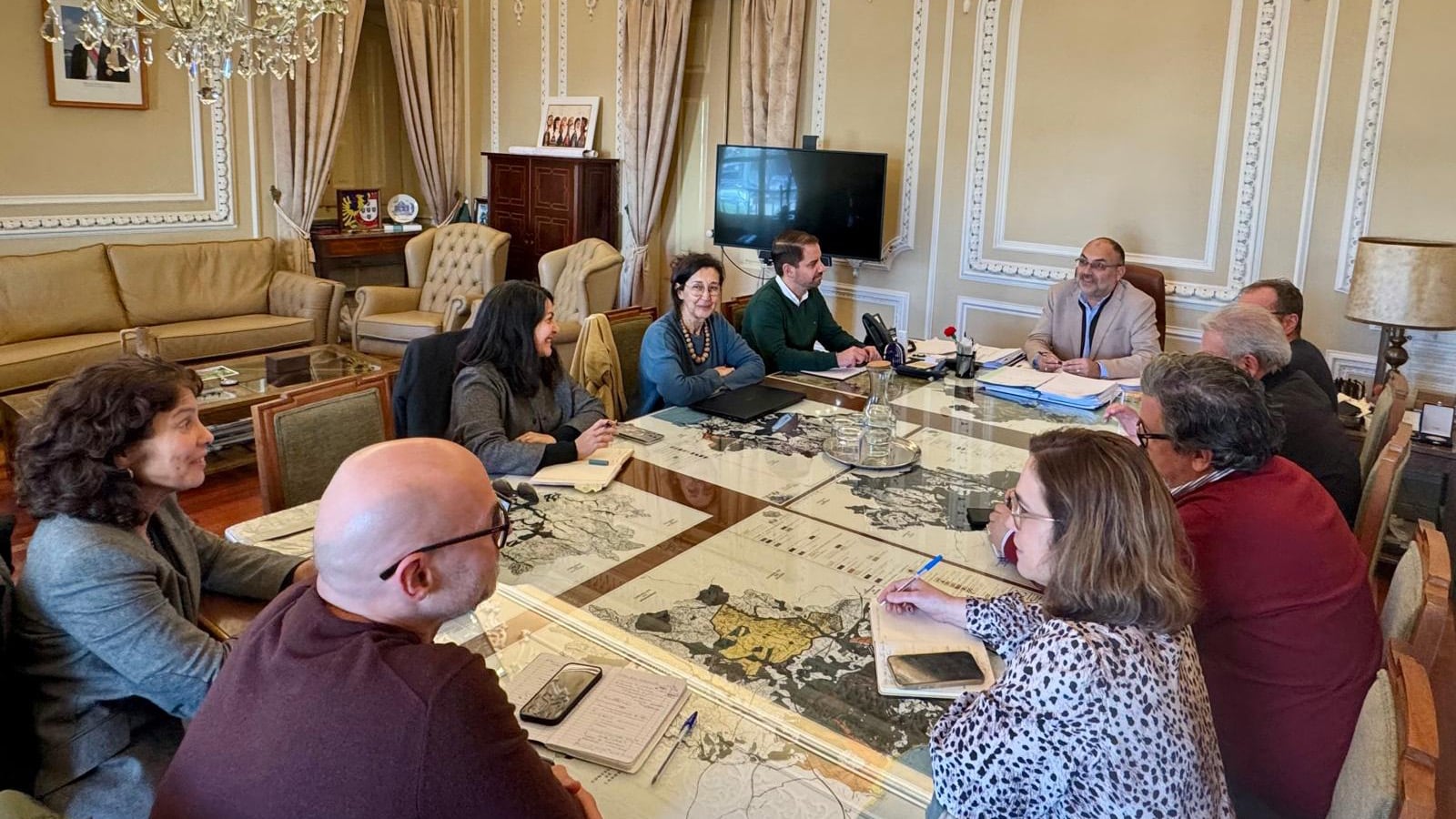
The vision for the campus, an €8 million investment due to be completed by 2028, was revealed last week during a meeting between the university’s rectorate team and the municipal council of Portimão. The goal was to align the university’s ‘Horizonte 2030’ strategic plan with the city’s Municipal Master Plan (PDM) as the project continues to be fine-tuned.
According to officials, the idea is simple: to create a campus “without walls” that blends into the city instead of standing apart from it. In other words, the goal is to promote free movement, social interaction and a direct link to the community, rather than creating an isolated complex.
By adopting this model, the University of Algarve wants a campus that not only hosts teaching, research and innovation, but also plays an active role in the region’s social, economic and environmental life, it says.
The future campus will be built in the Barranco do Rodrigo area, on a 37-hectare plot between the city of Portimão and the village of Alvor.
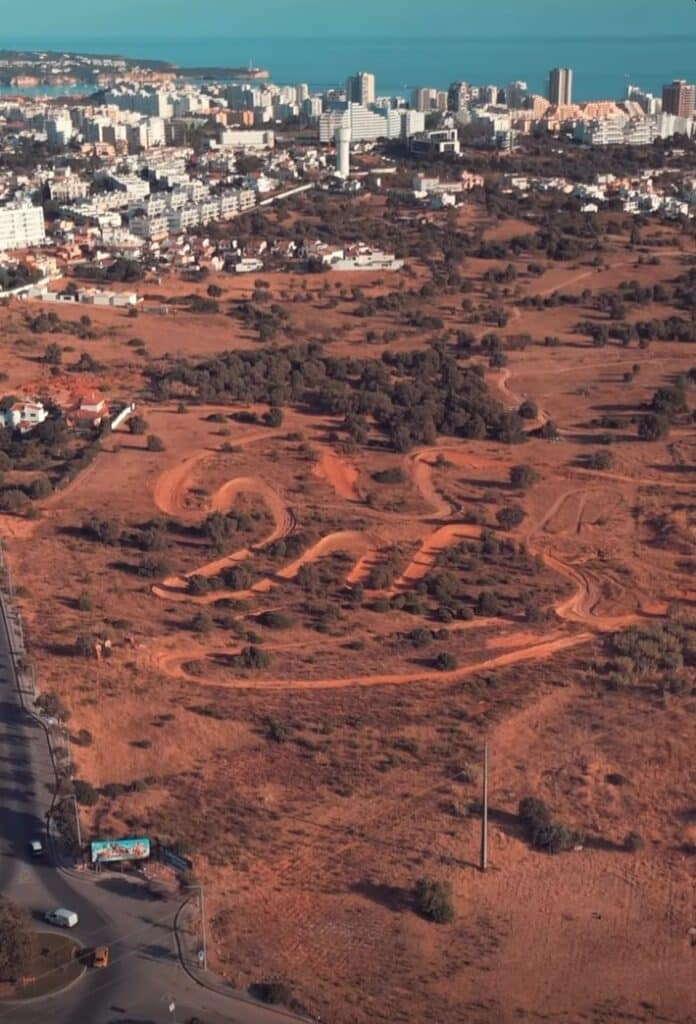
In a statement, the university described the meeting with the municipal executive as “an important moment to align expectations and identify technical and operational aspects to support the next phase of the process.”
Student housing was one of the hot topics discussed by university and municipal officials, including the possibility of increasing accommodation options in the municipality, namely through the construction of a new student residence.
“This issue is recognised as essential for attracting and retaining students, forming part of a shared vision of sustainable growth, improved access to higher education and the retention of graduates in the region,” the university said.
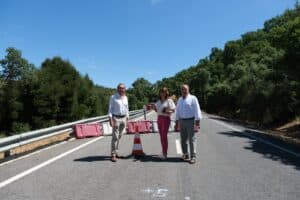
During the visit to Portimão, the university team also toured the site earmarked for construction, “allowing an assessment of the setting and conditions for implementing the infrastructure,” the statement added.
University leaders also expressed their willingness to collaborate on the design of both the future campus and the adjacent urban park, supporting an integrated and sustainable solution. The aim is to combine teaching, research and innovation spaces with a green public area open to residents.