Why some places ask you to come back
Last weekend, I spent a quiet afternoon in Guimarães. The city had just been named by both the BBC and National Geographic as one of the best places on Earth to visit in 2026, praised for honoring tradition while moving forward with a young, creative spirit. The timing felt almost symbolic.
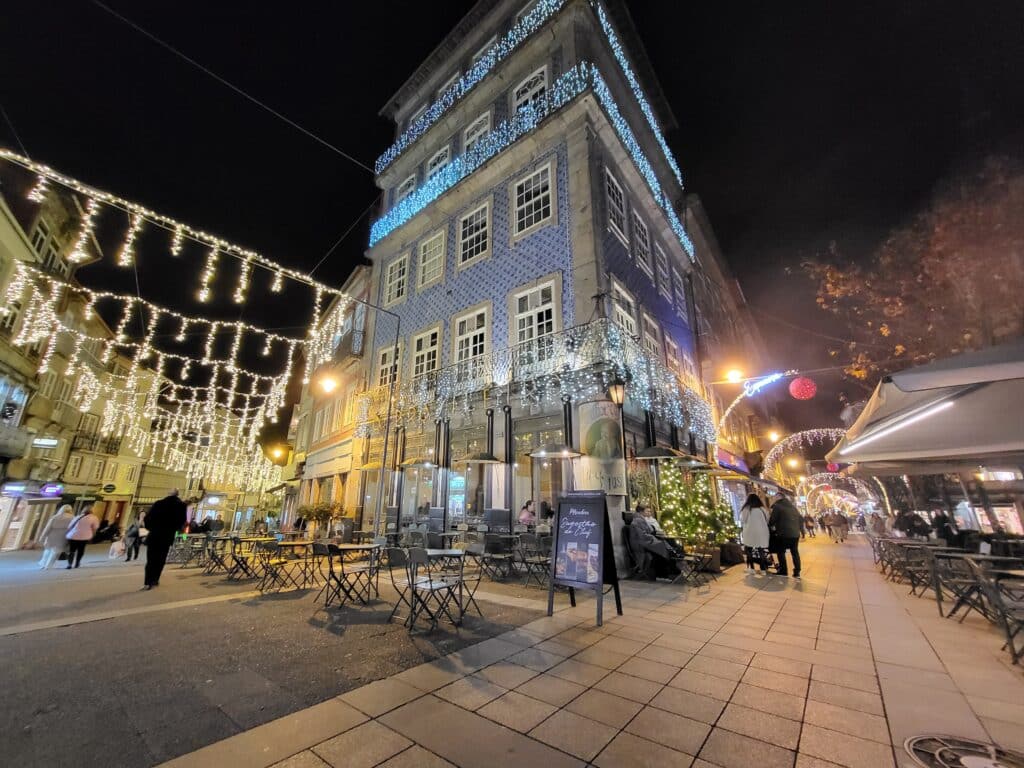
December was unusually warm. We sat in a small café on one of the town’s narrow plazas. A young woman played guitar nearby, thanking dancing children with a soft “obrigada” as they dropped coins into her hat.
After lunch, we wandered slowly through the old streets, already deciding we would return to ride the Guimarães Cable Car we had spotted from afar. I suspect we will not be the only ones coming back.
Moments like this help explain what the data cannot show on its own. But now it’s time to focus on what it reveals.

Who the premium traveler really is
Across AranGrant’s long-haul premium bookings from the US to Portugal, one pattern stands out quietly but consistently. Almost half of bookings are made for two adults. Solo travelers form a meaningful share, while larger groups appear less frequently. This is not mass tourism. It is shared, intentional travel.
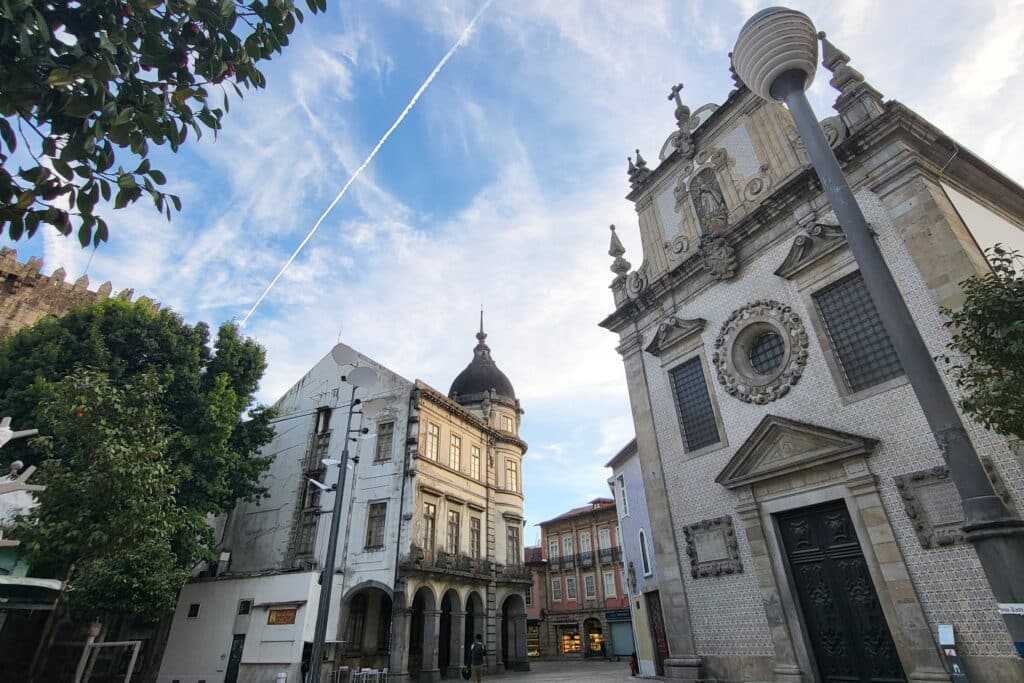
So, many US premium travelers are couples rediscovering travel at a slower pace. Others travel alone, not in search of spectacle, but space. Portugal suits them well. Cities like Braga, Guimarães, Coimbra, and Évora reward patience. They offer layered histories, walkable centers, and moments of human connection that unfold naturally rather than on schedule.
How premium flight fares behave quietly
When looking at premium fares to Portugal, what stands out is not dramatic change, but consistency. Compared with highly seasonal leisure routes, pricing here tends to move in measured steps. There are softer and firmer periods, but few sharp spikes. This reflects the nature of the traveler. Planning replaces urgency. Intent replaces impulse.
Business class remains the dominant premium cabin, especially on overnight crossings. Premium economy continues to grow, serving travelers who want added comfort without fully committing to business class.
Early indicators for 2026 reinforce this sense of continuity. Booking behavior so far resembles previous years. Business class leads, planning activity concentrates around spring departures, and the overall rhythm feels stable. Portugal is not being discovered all over again. It is being returned to.
What US premium travel signals for Portugal’s hospitality sector
Across all three parts of this series, one theme repeats gently. Premium travelers to Portugal are not chasing luxury. They are seeking ease, dignity, and meaning. This opens untrivial opportunities across the country.
- For restaurant owners, this traveler appreciates calm lunch hours, clear menus, and staff who take time rather than rush. The experience matters as much as the food.
- For hotel owners, comfort is not defined by excess. Quiet rooms, thoughtful lighting, accessible layouts, and staff who notice rather than perform create lasting impressions.
- For tour providers, smaller groups and slower itineraries resonate deeply. Walks, crafts, food, and history presented without pressure feel more valuable than packed schedules.
- For craftsmen and local makers, these travelers notice detail. They ask questions. They return. They bring friends later.
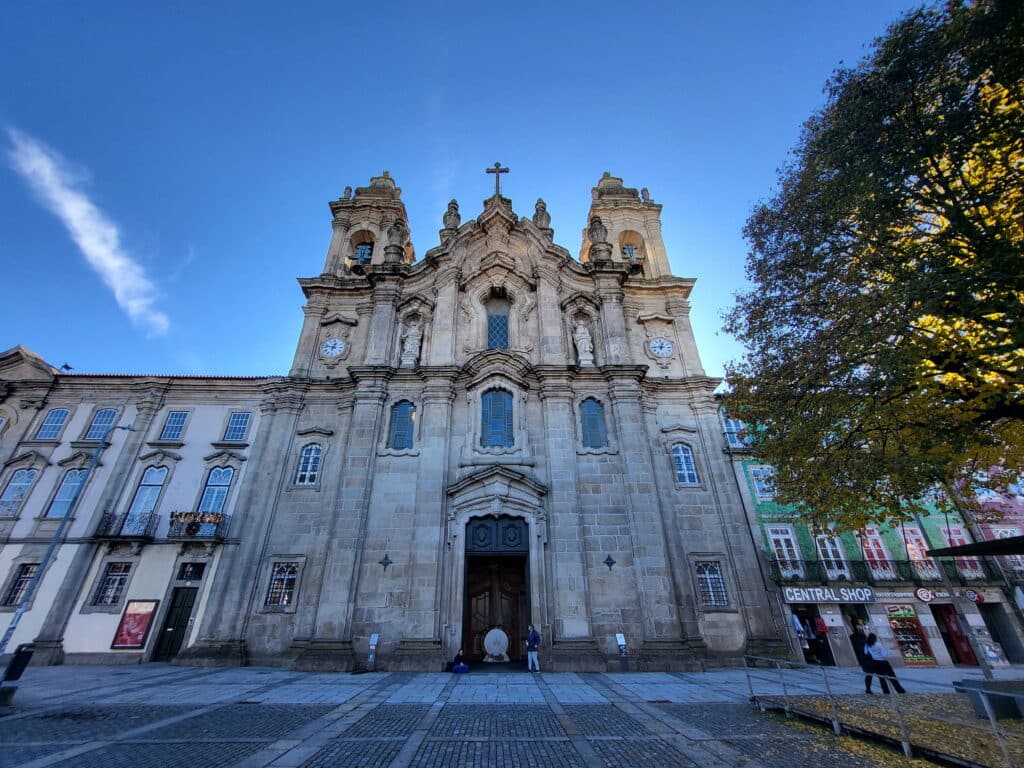
Places like Guimarães embody this balance well. They honor tradition without freezing it. They welcome visitors without reshaping themselves around them. As international attention grows, the challenge will be to protect this rhythm rather than accelerate it.
Accessibility as an opportunity for quiet hospitality
Many premium travelers arriving in Portugal are over fifty. Some travel with visible mobility needs, selecting airlines that offer stronger accessibility support. Others manage quieter limitations that shape how they plan, move, and rest. Together, they form a substantial segment of US travelers.
In recent years, tens of millions have continued to travel regularly, contributing tens of billions of dollars to the travel economy, while still facing barriers in accommodation, transport, and clear pre-trip information.
Portugal has already made thoughtful progress. Public transport accessibility in cities such as Lisbon has improved. Turismo de Portugal has introduced national certification frameworks aimed at more inclusive tourism. These steps signal direction and intent.
Yet gaps remain. Accessibility can vary widely between regions, and reliable information is not always easy to find in advance. For travelers who plan carefully and value reassurance, uncertainty can be as limiting as infrastructure itself.
Here lies a quiet opportunity for municipal authorities, hospitality providers, and destination managers. Accessibility is not a niche concern, nor does it require reshaping Portugal’s character. It builds naturally on the country’s strengths: attentiveness, dignity, and human-scale care.
A closing thought
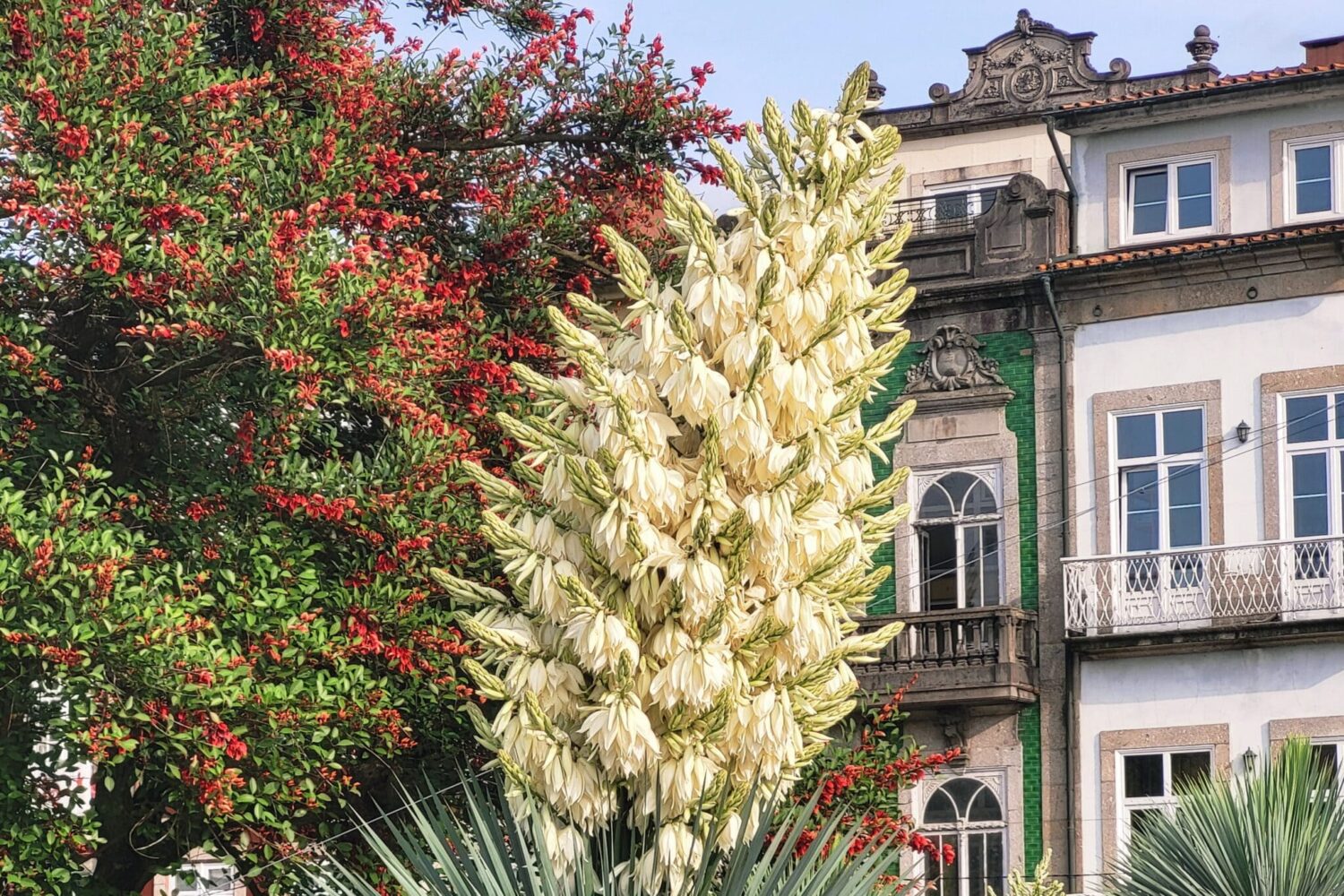
Watching the square in Guimarães that afternoon, it was clear why travelers return. Not for excess, but for moments that feel complete. Portugal’s quiet strength for travelers is being itself and making its beauty easier to enjoy.