The Pax Romana and the Finale of Empire
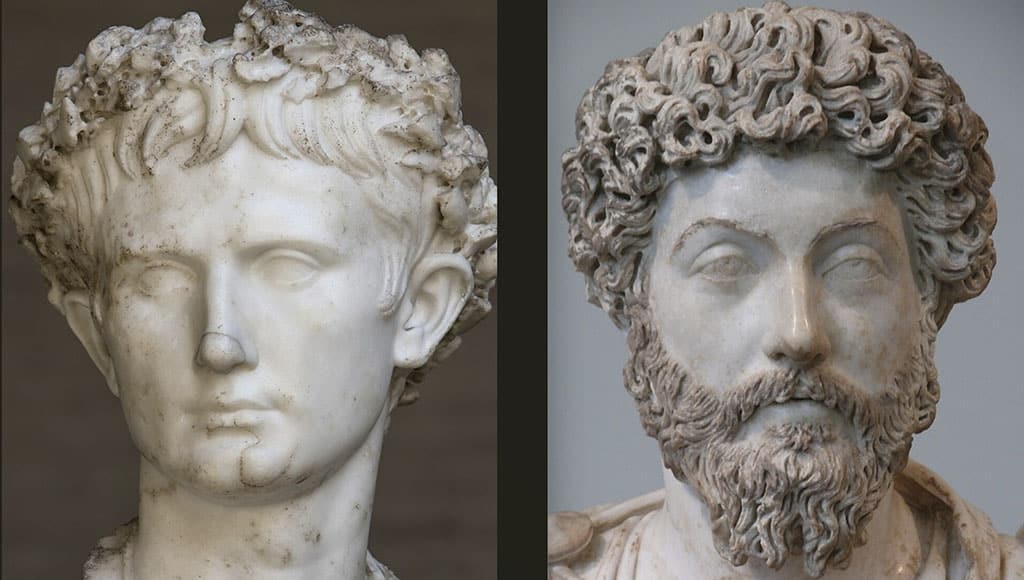
During the two centuries which span the reigns of Emperors Augustus and Marcus Aurelius, the Roman Empire flourished despite the occasional excesses of tyrants such as Caligula and Nero.
It was a time of peaceful consolidation for the peoples occupying the great land mass which surrounded the Mediterranean basin. All roads and sea routes led to the hub of Rome which, with its hinterland and eventual population of nearly one million, became the commercial capital of the known world.
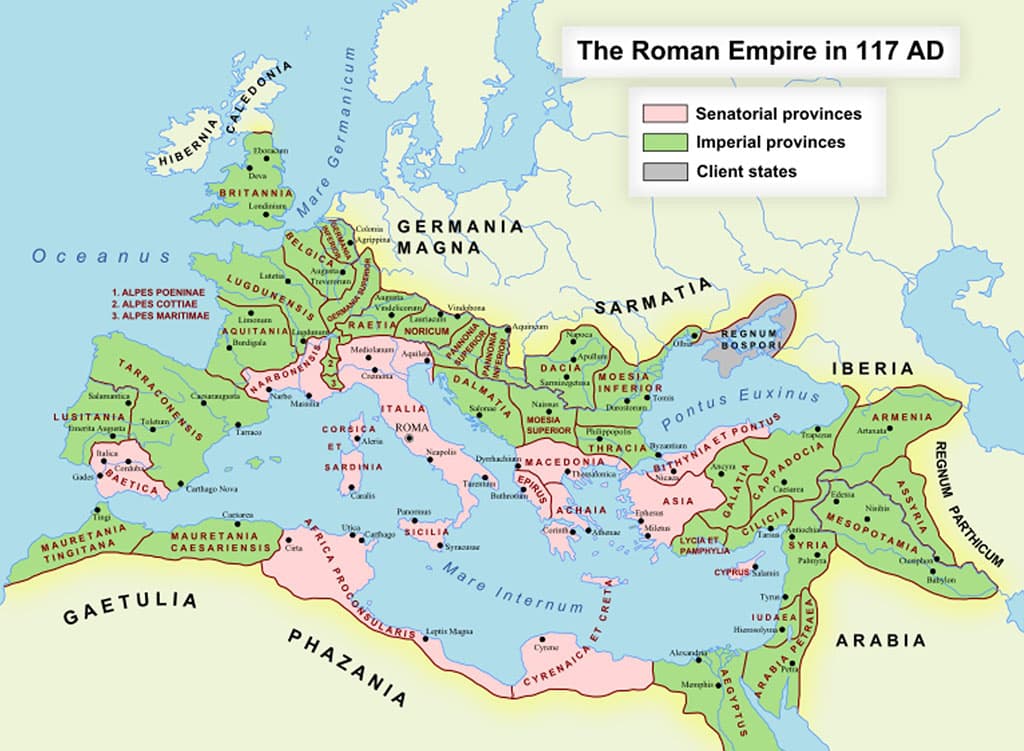
In 27 BC, one of the most distant provinces, Hispania Ulterior, was divided to form Baetica (Andalusia) and Lusitania, with the latter being given a capital on the banks of the River Guadiana which was honoured with the name of Emerita Augustus (Mérida).
The new city grew rapidly, with many fine buildings reflecting the architecture of Rome, and was connected by a new road system to nascent cities and garrison towns.
In the times of the great Emperor Hadrian, the fine bridges across the Tagus at Alcântara and at Aquae Flaviae (Chaves) were engineered. All helped to speed the logistics of travel and thus boost the economy.
Whereas Baetica was governed by the senate, Lusitania was controlled directly by the emperor who appointed a propraetorial legate as governor assisted by regional fiscal procuratores who kept a tight but pliable rein of an administration which increasingly co-opted the indigenous citizens.
In other regions of its Empire, Rome had adopted the ancient strategy of “divide and rule” whereby the elite of subject tribes were transferred to administer other conquered nations, but this was not to be the case with Lusitania, which had already become quite cosmopolitan with the settlements established by Greeks, Phoenicians, Carthaginians and Berbers.
Now, there arrived craftsmen and early industrialists from Italy and Asia Minor plus soldiers who had retired from the legions.
Lusitanian warriors who already provided accomplished militias were trained by legionnaires in new techniques of warfare. At least two regiments saw almost continuous service with the legions and were successfully used to repel the ever-increasing number of “barbarians” who skirmished on the far-flung borders of the Empire.
So, although the Lusitanians remained loyal to their traditions, especially in the sparsely populated northern districts, there was a gradual integration of tribes to produce a Hispanic/Roman nation with Latin as a lingua franca and a new judicial system.
This golden age came abruptly to an end with the death, in 180 AD, of Marcus Aurelius and thus the succession of the “Five Good Emperors” who had brought so much benefit to the Romans.
There followed a rapid and unseemly descent into a state of near anarchy spurred on by a society which had become obese with its wealth and used corruption as a daily means of barter.
The military genius and loyalty of the legions was lost as officers became politicians leading power-hungry factions which appointed rival puppet emperors whose term of office was short and often ended by assassination.
In the same way, governance in the provinces became fragmented, with local potentates seeking to regain control. Inevitably, the flow of tribute to Rome in the form of money, goods and slaves was reduced to a mere trickle of its former value and this resulted in a bankruptcy of the Senate which could no longer reward its allies for their loyalty and services.
It was a vicious circle which was eventually to lead to a splitting of the Empire into eastern and western regimes and the invasion of the Barbarian hordes in 410 AD.
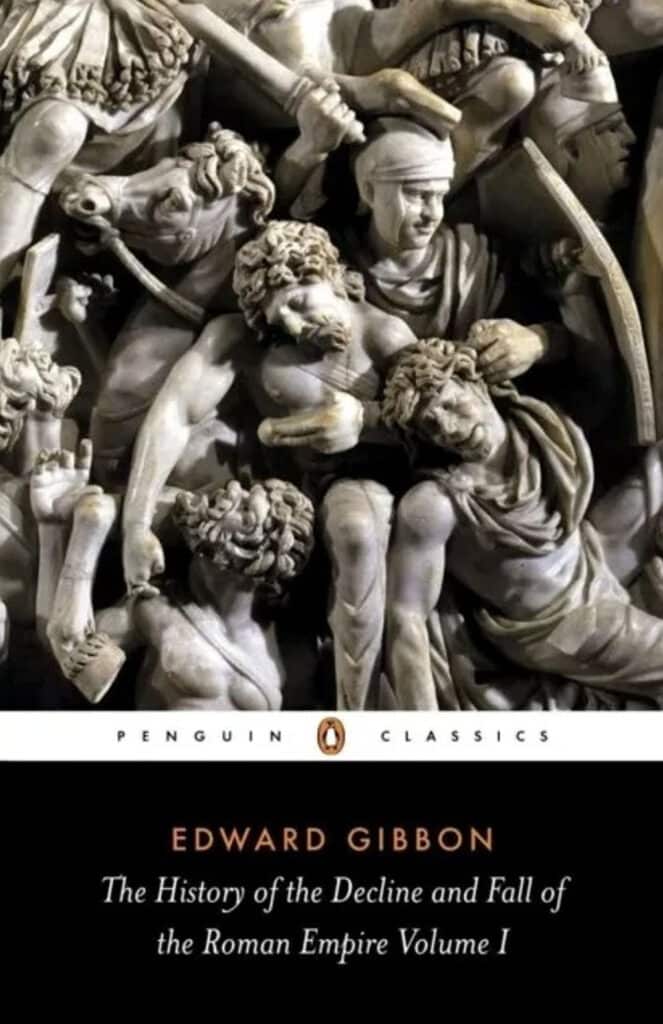
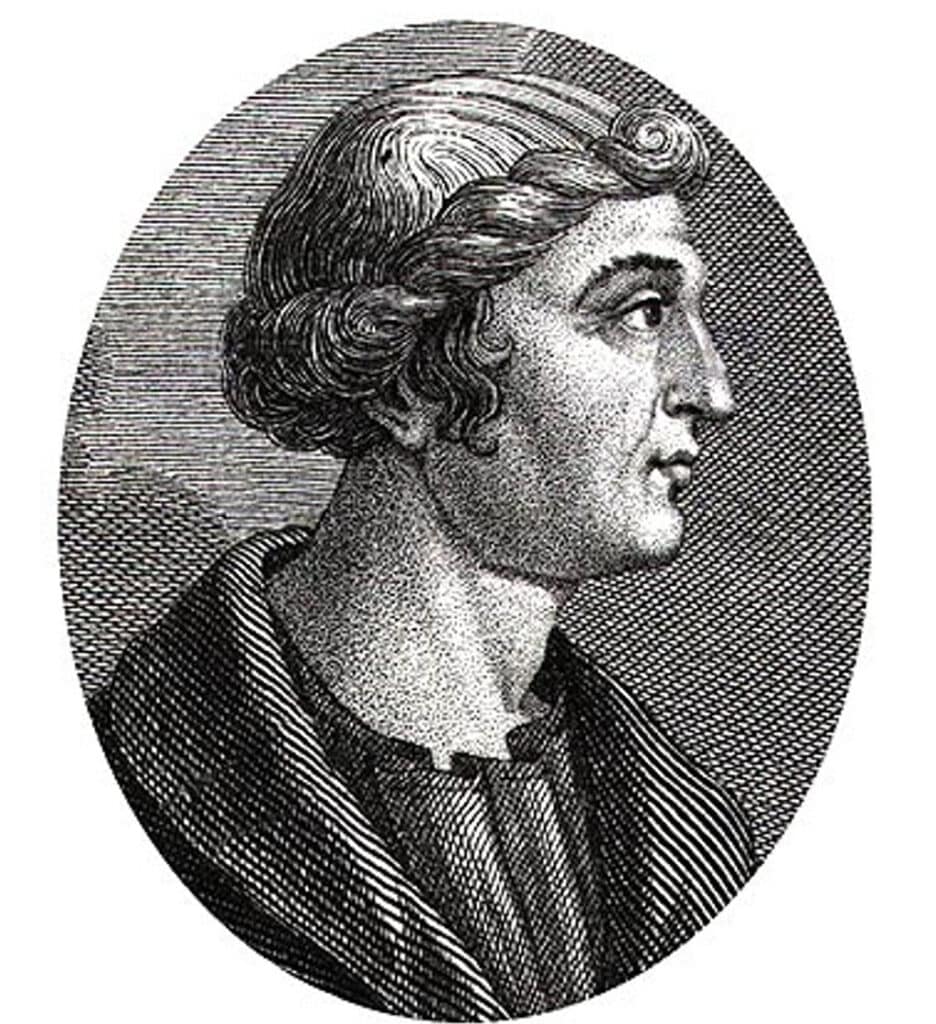
Much of the initial disastrous fall from grace was recorded by the prolific historian Cassius Dio (165 to 235 AD) and later supplemented by Edward Gibbon in his six-volume narrative of the decline and fall of the Roman Empire written between 1776 and 1789. It posits that the Roman influence was perpetuated in the east by the Byzantines until as late as 1590 when another empire – that of the Ottomans – took full stage.
This concludes the series “A Misty History of Roman Portugal” in which I have tried to narrate how the events of nearly 700 years shaped the destiny of the Portuguese nation. The administrative system thus provided remained largely unchanged until the 17th century and is still visible today in many parts of our land and what used to be its oversea territories.
GRATIAS AGIMUS TIBI BENE ROMANI. (We thank you, Good Romans)