From fishermen to factory owners, the rising cost of fuel due to the conflict in the Middle East (less than two weeks’ in) is putting livelihoods at risk.
As reports this week stress: businesses are already worrying that ‘this is becoming unsustainable’.
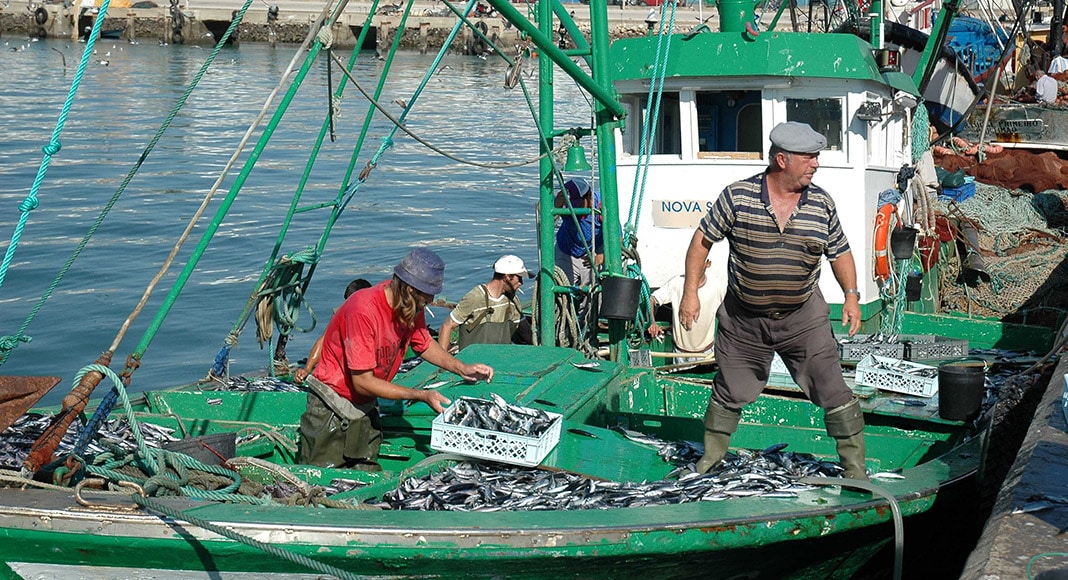
“We already have a lot of costs”, Aveiro fishing boat owner Roberto Craveiro tells SIC Notícias. With fuel increases that are predicted for next week, he is pessimistic about the future.
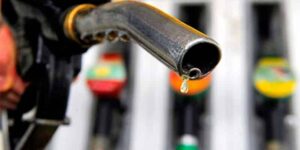
‘Green diesel’ has already risen in price by 20 cents per litre. As Craveiro explains, this adds another €800 to the cost of filling his tanks. If the discrepancy between the price paid to fishermen and the prices for which their catch is sold was less, there might be some sense in it all. But as things stand, he said, the sustainability of various families who live on the proceeds of fishing in Aveiro are on the line. Fuel costs, as they already are, add around €1,600 to monthly costs – and that is before any new price increases that may be announced.
SIC has gone on a virtual tour of the country, picking businesses from various districts. In Santo Tirso (Porto district), for example, the media outlet describes a company producing plastic packaging for food seeing “costs increase 70% just in the last week”.
And for all the talk of reducing dependency on fossil fuels, this is not easily done in the transport sector – whether for deliveries or passenger transport. SIC refers to one business in Vila Real that has reduced its fleet simply to the two electric vehicles that it has, in order to save on fuel.
In Vizela, the company has 73 vehicles consuming around 31,000 litres of fuel per month – and, for the time being, it has seen its costs increase by 16%.
But in the south, “more than 100 HGVs travel close to 100,000 kms per day”, increasing the fuel bill by €70,000.
SIC’s report was just a ‘snapshot’ of a country in what may only be the ‘early’ stages of this conflict. This is what is worrying businesses: the sense that no-one has a handle on how long difficulties are likely to last.
Source material: SIC Notícias