The European Court of Human Rights (ECHR) has requested clarification from the Portuguese state regarding the duration and information leaks associated with the Operation Marquês case – a case that has been dragging on for so many years most people have tuned out.
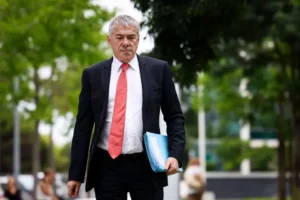
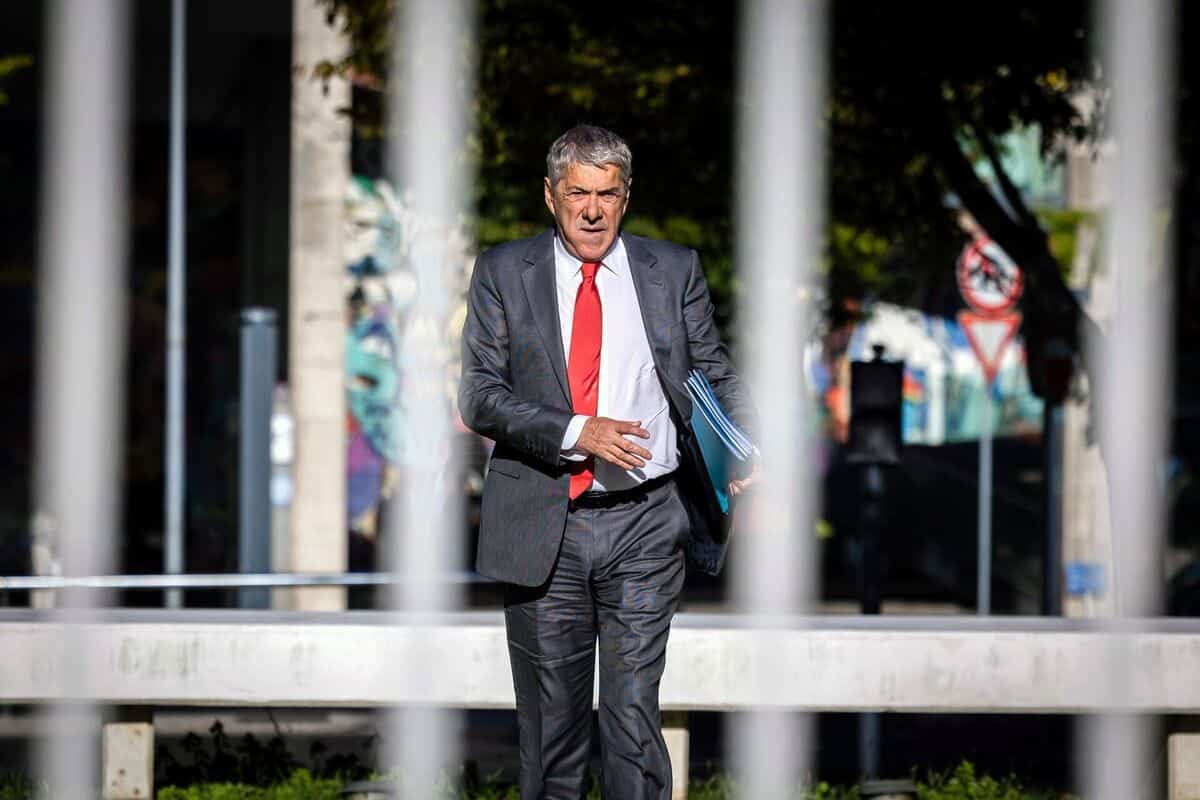
The man at the centre of this wrangle, former prime minister José Sócrates, has described the ECHR intervention as “a judicial victory”.
It follows Sócrates’s complaint – filed with court, part of the Council of Europe, in July 2025 – alleging a violation of his right to a fair trial.
In a statement released today, the ECHR has asked the parties involved whether they consider the length of the proceedings to be compatible with the requirement for a trial within a reasonable time, as stipulated in the European Convention on Human Rights.
The court has also sought to determine if the Convention had been breached due to leaks to the media from the criminal investigation (which have been going on for well over a decade).
“In particular, did the state, in the present case, fulfil its obligations to prevent such leaks of information and to guarantee the applicant’s right to respect for his private life?”, the court asks.
It also queries whether Mr Sócrates had been granted access to an effective remedy to challenge these grievances within the Portuguese system.
Speaking at a press conference in Brussels, Sócrates described the Court’s decision to seek clarification as “extraordinary” – stressing that over 90% of complaints submitted to the ECHR are typically rejected.
“For me, it is a great source of satisfaction to see this outcome because, for the first time, I am certain that the arbitrary nature of these 13 years of judicial persecution will be examined by an international court.
“Is there a decision in our favour? No, there isn’t. There is merely a decision by the court to accept the case for examination in adversarial proceedings. And that, for anyone familiar with the European Court, is clearly a step of the utmost importance,” he said.
Mr Sócrates’ lawyer, Christophe Marchand, said that it is unprecedented in his experience for the ECHR to seek such clarifications while a case is still ongoing.
“A dialogue is now opening between Mr Sócrates, the court and the Portuguese state, to find a remedy. It is as if the court were showing the Portuguese judicial authorities the way to put an end to this persecution and to grant Mr Sócrates redress for the violation of his fundamental rights,” said Marchand.
According to the lawyer, the Portuguese state has until July 23 to respond to this request for clarification, after which Sócrates will have around six weeks to submit his counter-arguments, followed by a further response from the government.
While both parties could negotiate a settlement during this period, failure to reach an agreement would leave the ECHR to decide within a year, or potentially sooner, whether to dismiss the case.
Another member of the defence team, Marie-Laurence Hébert, argued that it is extremely rare for the court to dismiss a case after seeking clarification from a state – stressing that this occurs in less than 1% of cases.
When questioned on the desired outcome for the former prime minister, Marchand said that the only acceptable remedy would be the termination of criminal proceedings against him.
Source: LUSA