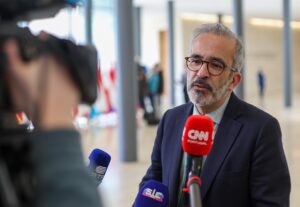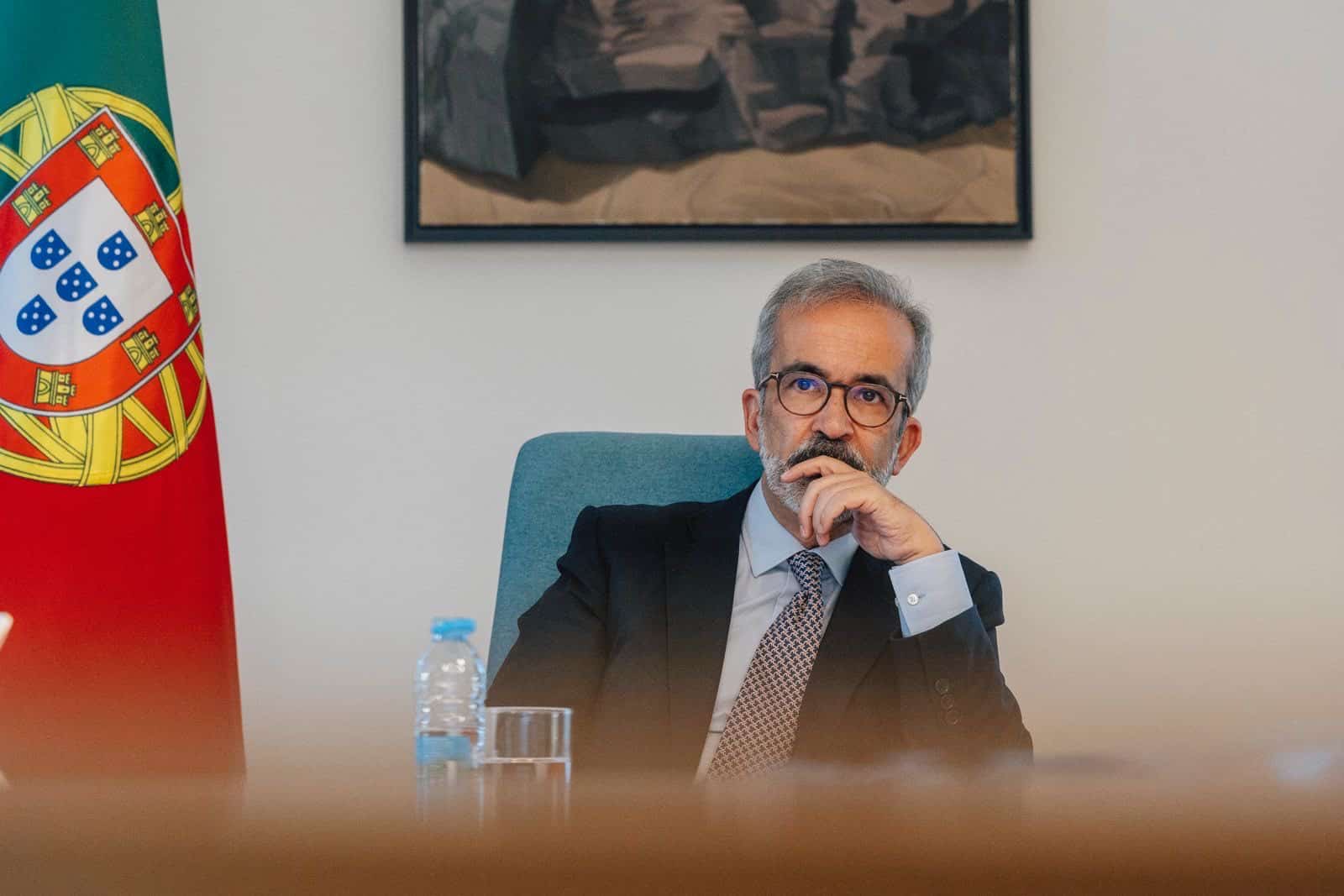
Following on from yesterday’s news, Portugal’s foreign affairs minister, Paulo Rangel, has taken part in the first of a series of high-level meetings, involving more than 30 countries, committed to restoring safe navigation through the Strait of Hormuz.
Posting over ‘x’ since the meeting, Mr Rangel has referred to the “serious consequences of the blockade” imposed by Iran in retaliation to the war unleashed by the United States and Israel on February 28 – and the necessity to “collectively promote freedom of navigation”.
In the words of the UK prime minister, who kick-started this initiative last month, it is the time for ‘clear and calm leadership’ – not the topsy turvy narrative that has characterised the conflict so far, in which no one knows where they stand, or even what is happening.
This collective push is, initially, to evaluate viable diplomatic and political measures – and then, once the fighting is over, embark on them.
With so much focus on the shortages and expensive generated by the blockade, little space has been given to the fact that there are still ships ‘held up’ in the water on the ‘wrong side’ of the strait, unable to sail through to their destinations, with crews on them – desperate to be released so that they can get on with their lives. The multi-country initiative is focused on finding solutions for these situations, as well – albeit the main focus is to find a way of restoring ‘global commerce’ along the lines that existed pre-February 28.
Right now, very little commercial traffic is passing through the strait, and prices for oil and other derivatives/ raw materials have surged.
Governments and experts fear a prolonged blockade will prompt a worldwide recession, affecting sectors across the board – particularly agricultural and pharmaceutical production, the manufacture of semiconductors and, thus, key components for electronic devices and cars (of all types).
The discussions that began via video conference today take place, as Lusa explains: “amid significant pressure from U.S. President Donald Trump, who has urged maritime-dependent nations to mobilise.”
Indeed, President Trump has not just ‘urged maritime-dependent nations to mobilise’, he has mocked their leaders, insulted their leaders and threatened to pull out of NATO, which he believes should have provided more support for the U.S. / Israeli attacks against Iran, which have resulted in bombardments across the Middle East – many of them destroying key infrastructure.
Last night, the world ‘waited to hear’ what President Trump had to say in an address tipped to discuss the war, but came away disappointed by the message (described as a compilation of recent social media posts); markets reacted badly; the price of oil went up again – and no one seems any the wiser as to when ‘the fighting will stop’ – which is when the collective of countries that Portugal has joined can properly get to work.
In his post today, minister Rangel stresses that Portugal will continue to take part in this initiative to reopen the strait, “and in other multilateral platforms to contribute to the de-escalation and end of the conflict, with a view to re-establishing peace and stability in the region, and also world commerce.”
Interestingly, there was no talk of the ‘stone age’ or even ‘stone ages’ – the destination that President Trump claims the U.S. military operation seeks for Iran.
Source material: Lusa/ X