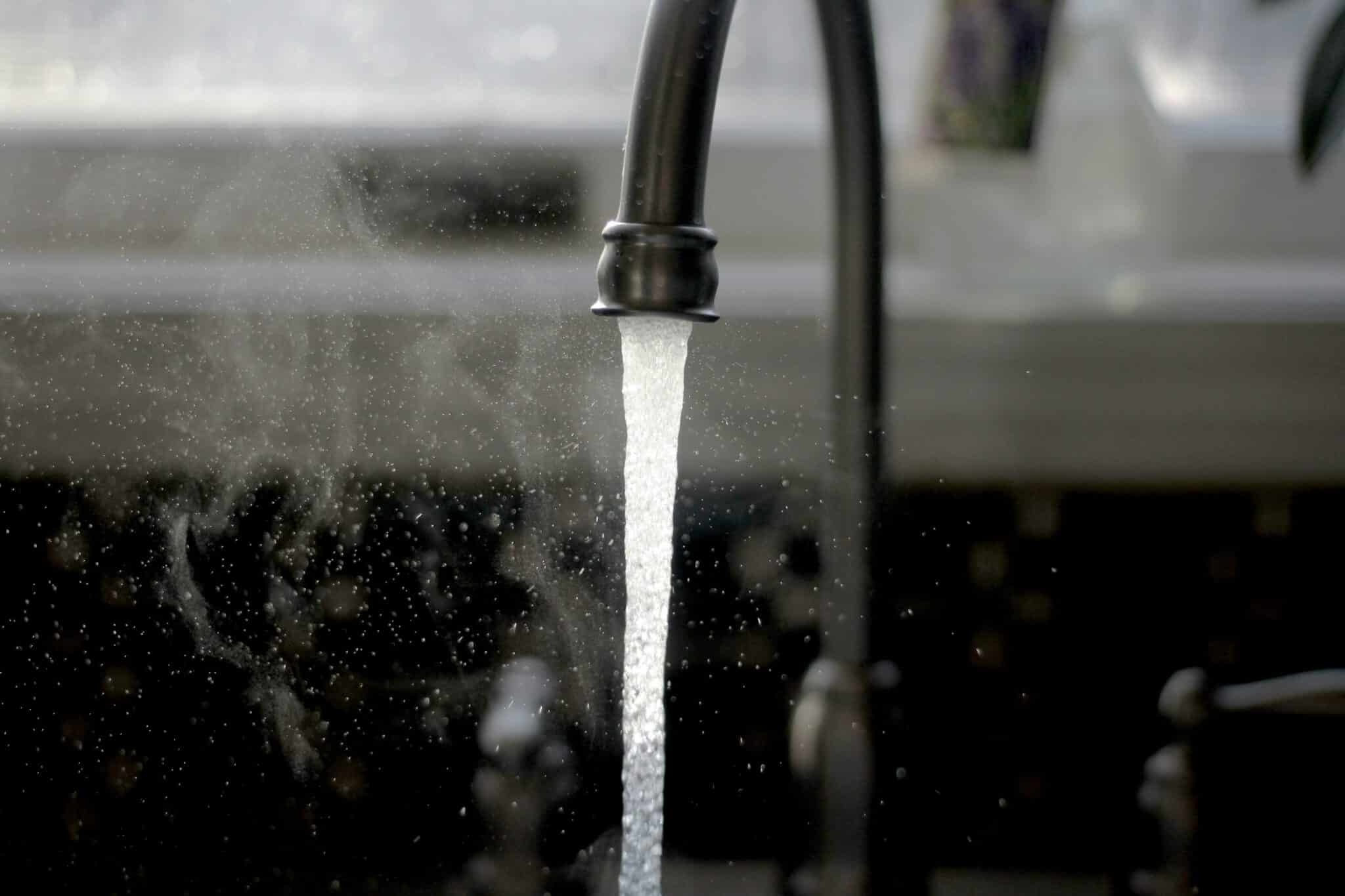
Portugal’s Directorate-General of Health (DGS) is urging the public in areas affected severely by Storm Kristin to avoid using tap water for drinking, brushing teeth and washing food, warning of serious risks to water safety, food hygiene and sanitation.
In a statement issued late on Thursday evening, the health authority said the storm – which hit several regions this week – caused widespread power cuts, some of which are still ongoing, potentially compromising drinking water quality and food safety.
“Situations like this affect the safety of food stored in fridges and freezers, as well as water quality, especially in areas where supply depends on electric systems,” DGS warns.
Until authorities confirm otherwise, DGS recommends using bottled water whenever possible. The health authority also warns against using water from wells or natural sources, as it may also be contaminated.
If bottled water is unavailable, DGS recommends boiling available water for 10 minutes, or disinfecting it with plain, unscented bleach (around two drops per litre). Hands should always be washed thoroughly before handling treated water or food.
People are advised to continue using toilets where possible, but to avoid disposing of used water if sewage systems are not operating properly. Wastewater should never be dumped onto soil or into streams, and household waste should be kept away from any water sources, DGS says.
Regarding food, the health authority says food may still be safe if fridge power cuts lasted less than 12 hours. Fruit and vegetables such as carrots, tomatoes, cabbage, oranges and lemons can remain safe even beyond that period. Freezers can preserve food for up to 48 hours (or 24 hours if half full), provided doors remain closed. Food that still has ice crystals or feels cold like refrigerated food can be cooked or refrozen safely, according to the health authority’s guidelines. However, food that was stored during outages should be used or cooked as soon as possible and always prepared at temperatures above 75ºC.
DGS advises against tasting food to check if it is safe and recommends throwing away anything with unusual smell, colour or texture.
For now, the health authority is repeating general advice provided by civil protection authorities, such, urging people to avoid walking or driving through flooded areas; avoid contact with floodwaters; clean and disinfect surfaces exposed to floodwater: wear gloves and waterproof boots during clean-up; avoid using electrical appliances where water is present; remove standing water and damp materials to prevent mould; stay clear of unstable trees and damaged structures; keep torches and spare batteries handy; and follow official instructions and remain sheltered in safe locations.