Greetings get warmer, people become nicer, and even the grumpy neighbour, who glares off into the distance for no particular reason, starts smiling like he is auditioning for a toothpaste commercial. Folks use words like “reflection” and “gratitude,” even though 10 minutes ago they were honking aggressively at a traffic light.
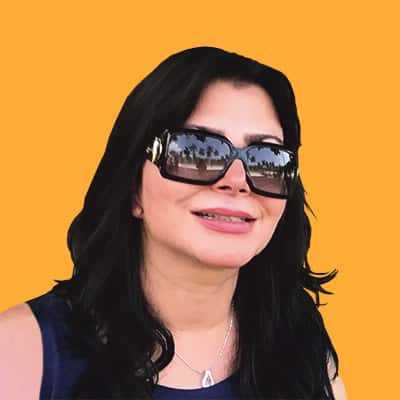
However, for me this year, the month feels especially tender as I recover from a lung lobectomy, which is not an experience I recommend adding to anyone’s bucket list. But here I am: healing, wobbling, laughing cautiously, and learning to trust my own breath again. It is strange how something so ordinary can appear like a standing ovation once you have briefly lost the luxury of taking it for granted.
But, somewhere between medical appointments and discovering that even sneezing is now a strategic decision, I come across a beautiful Portuguese word called esperançosamente, which translates to mean ‘hopefully’. I am immediately smitten with its layer of softness and the moment I find it, I feel something in my repairing ribs stretch. Not painfully, but compassionately, like a flower deciding the sun is trustworthy after all.
The term esperançosamente is tailor-made for the final weeks of the annual calendar, when we send up tiny prayers about everything, from travel plans and dinner reservations to the temperaments of relatives. It also suggests moving forward with optimism – not the loud, motivational poster-type, but the quiet kind that sits patiently beside you, holding a cup of tea and patting your hand. And truly, what a perfect description for a year that has tested, challenged, and medically rearranged my insides.
December is always about hope, but this time it feels more intimate, as my every breath is a tiny prayer answered, and each moment of fatigue a reminder that healing is not instant but a slow and gradual process.
The charm of esperançosamente (pronouncing it is a mouthful; one cannot simply whisper it because it demands to be announced with flair, as if one is launching fireworks from one’s mouth) lies in how it refuses to be rushed and, to enunciate it properly, one must take a small scenic detour of the tongue, as though participating in a linguistic waltz.
And its meaning – hopefulness infused with gentle expectation – sticks like holiday glitter, and once it enters my vocabulary, I begin using it with great enthusiasm. Esperançosamente, my friends would understand. They do not. One asks if I am taking a language course, another wonders if it is the name of a new vitamin supplement. A third leans forward, concerned, and ponders if I have begun dabbling in interpretive chanting.
Meanwhile, lately, everyone has become extra gentle around me. They offer chairs, blankets and messages saying “Get well soon, thinking of you or sending prayers” that feel like ornaments on my healing tree. I read them slowly, letting each one settle in the space where my missing lung tissue used to be. It now seems reserved for gratitude.
“What does hope need?” I ask my husband this morning.
“Who is Hope?” he asks absentmindedly.
“What, not who, metaphorical question,” I add.
“Let me think,” he lowers the newspaper he is reading.
I wait for his response.
“Imagination, support, resilience, patience,” he rattles off.
I breathe in sharply as I see hope floating in the air.
“Tudo esperançosamente,” I breathe out.
Read Nickunj Malik’s last article: Early to bed