Grinding on now for the best part of six months, ‘negotiations’ over the government proposed labour reforms are still deadlocked. Employers say the changes “don’t warrant this conflict”; unions have labelled the plans ‘an unacceptable step backwards’ – and the incoming president has insisted he won’t promulgate anything that hasn’t been signed off by the unions.
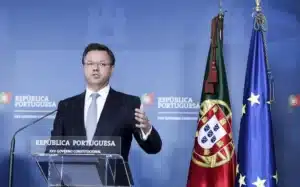
But the minister ‘in charge’ of this process (Maria do Rosário Palma Ramalho) shows the government is not for turning.
The truth is that the new president could veto the law – meaning it would return to parliament for possible alterations. But if the government decided to re-submit the exact same bill for his approval a second time, he would have no option (under the Constitution) but to promulgate.
On that basis, the government’s labour reform looks like becoming the next ‘tough political battle’.
Union bodies CGTP and UGT have already taken their stands, with the latter presenting their own idea for ‘Work XX1’, essentially turning the government’s reforms on their heads.
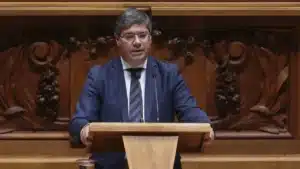
Business leader Armindo Monteiro (president of CIP, the confederation of Portuguese industries) feigns mystification. The government’s proposal to revise labour law is “balanced” and there is no “change so significant as to warrant all this conflict”, he told journalists yesterday. But he does acknowledge that Ms Ramalho’s intention to take the proposals to parliament ‘come what may’ could see the whole issue “captured by more electoral interests of party politics”, which “does not make sense” – and which could lead to major political upheaval (again!)
This far, the government’s proposals have already sparked the first general strike in over a decade – with unions threatening further protests if their objections are not taken on board.
Source material: Correio da Manhã/ Lusa