Summer days have arrived, and this is the perfect time to make your plans for the autumn planting season. Perhaps you are considering attracting more wildlife into your garden? Aiming for a single eco-system where each element, from the ground up, supports all the others to produce an environment for all kinds of life to flourish?
Non-organic gardeners’ eyes tend to glaze over at the mention of natural balances. However, a little observation shows that nature is a system of checks and balances. In our gardens, we can upset the natural balance. We bring in plants that aren’t adapted to our conditions. We try to make it up to them by giving them extra watering and feeding; but ultimately, an ill-adapted plant will be more at risk from pests and diseases than a climate appropriate one. So we resort to pesticides and further alter the natural balance, and for the worse. In the long run, the garden becomes a warzone between the gardener and nature. No bets as to who will win here. Nature has a facility for adapting, as any farmer with herbicide-resistant weeds in his fields will tell you.
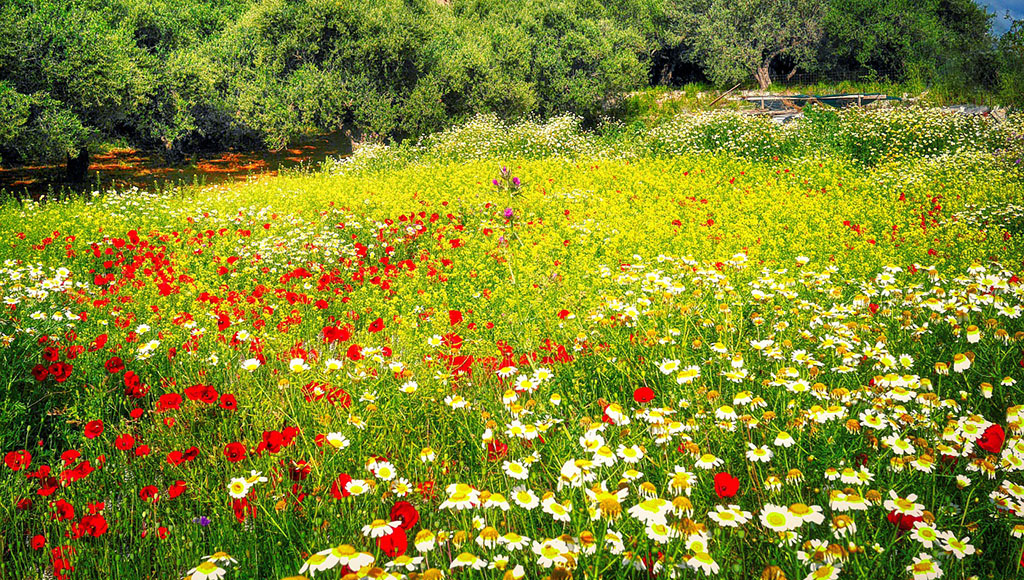
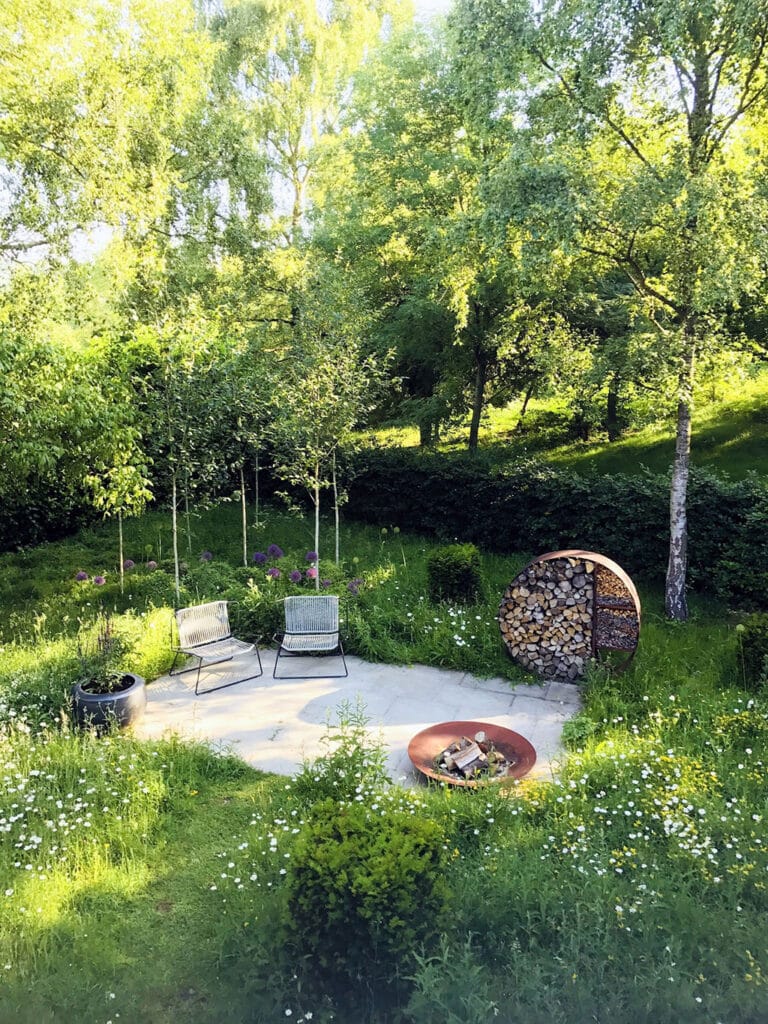
So, now is a great time to take a good look at your garden and do a little analysis of soils and aspect. Under the right conditions, our gardens can be a precious refuge for hard-pressed wildlife. So, if enough of us garden for wildlife, we can do something to at least slow down the trend. So how do you garden for wildlife?
Wildlife gardening adopts the basic principles of organic gardening and, fortunately, these intersect quite happily with those of Mediterranean gardening. Chief among them is adapting your planting to your conditions and using the right plants, the key to gardening in a Mediterranean climate.
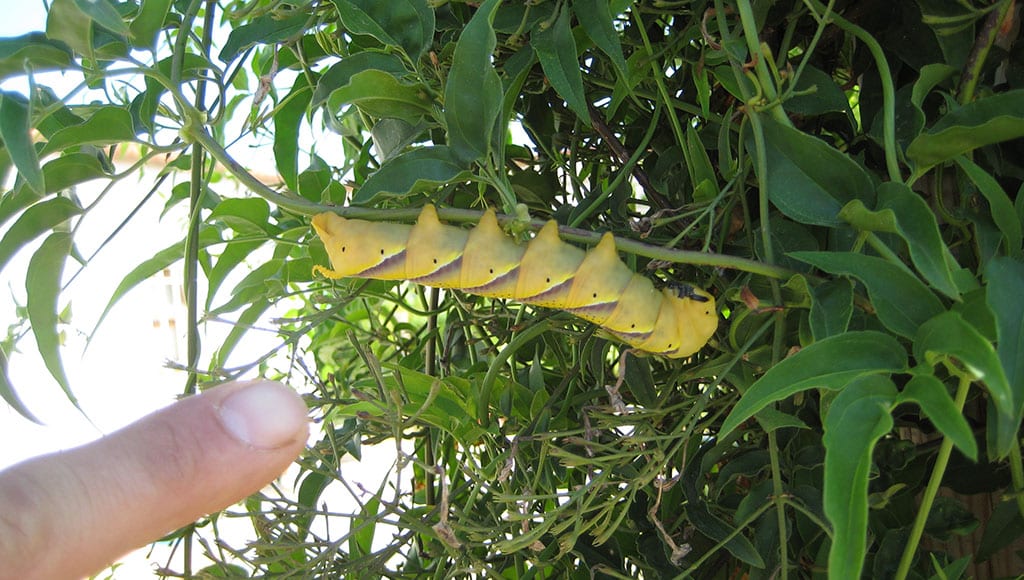
Step 1 – Most importantly, stop using all herbicides and pesticides. Not only is this absolutely essential so as not to kill off your wildlife, but it is also protection for you, your family and your domestic animals. So as a first step, go through your garage or shed and take all poisonous substances down to the correct recycling point. Do not dispose of them in the dustbin!
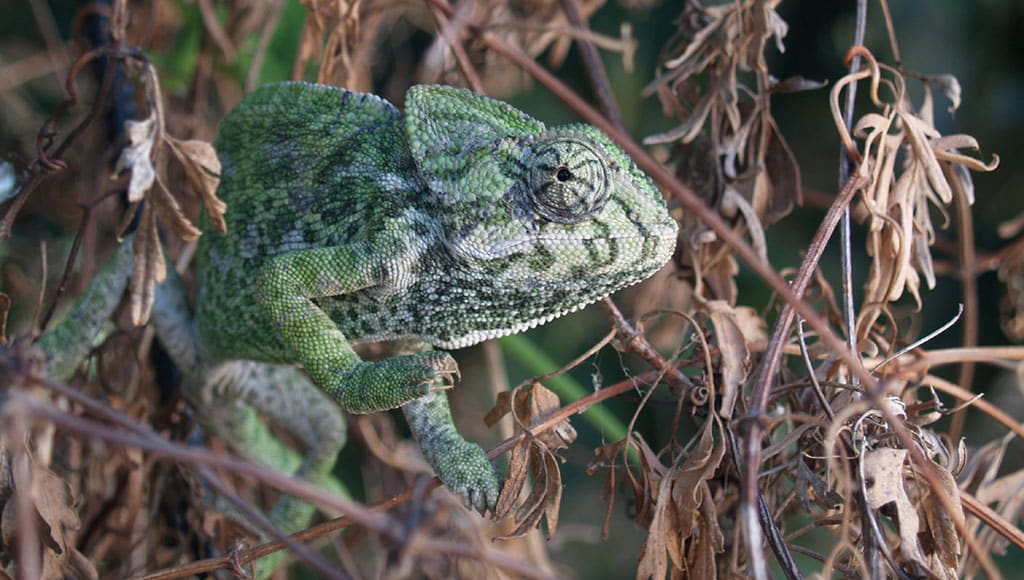
Step 2 – Create a natural balance in the garden by establishing an ecosystem which functions as a whole. Encourage insects that provide food for birds and small mammals, which in turn support larger predators. All things being equal, a system comes into operation, with beneficial insects and birds keeping the pests in check.
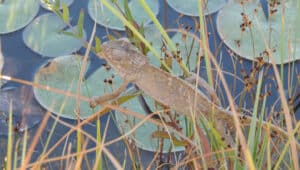
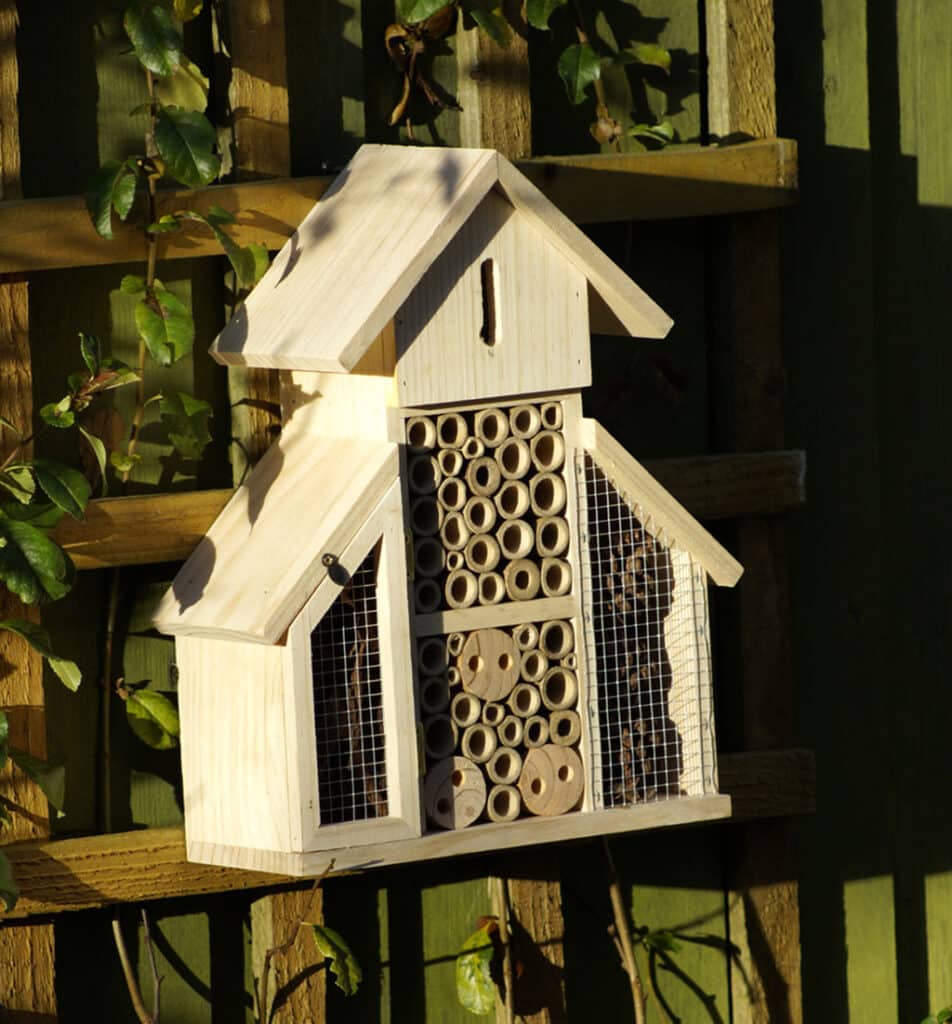
Step 3 – Take specific measures to encourage wildlife. Put up nest-boxes, make a pond or water feature, provide insect hotels or overwintering sites for small mammals, provide shrub cover for birds and wildlife. During the long summer months, shade is vital for wildlife.
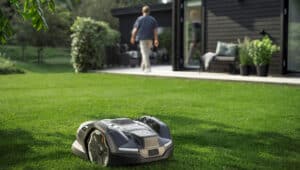
Our local hard-working plant nurseries are deserving of our support. If you are planning any changes, getting rid of some or all of your lawn for instance, then please consider sending your plant orders to the nurseries now for autumn deliveries. This will give you confidence that the plants you want will be available when you want them.
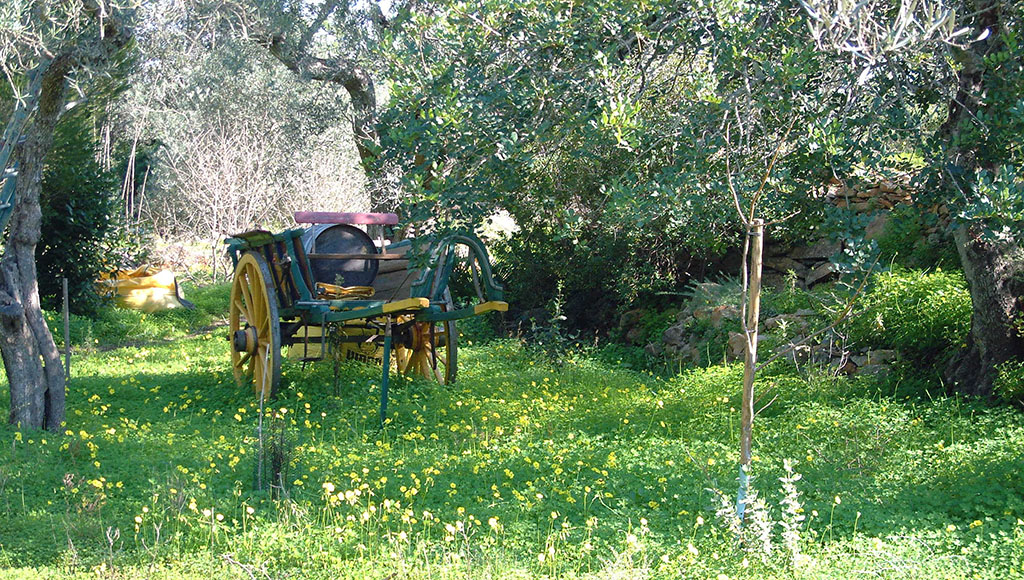
Why is sustainable gardening important? Biodiversity is under threat as never before, especially in Mediterranean zones. We all know about the effects of climate change. Average temperatures are increasing worldwide. The use of pesticides and herbicides can be widespread in agriculture. As a consequence, insect and bird populations are in decline, in some cases catastrophically. We know the consequences won’t be good. Gardeners in the Mediterranean can do their bit to increase biodiversity and see the results very close to home.
If you are planning to remove lawn areas we would love to hear from you, we are looking for gardeners who want to make changes but perhaps need some support. You are not alone, and we plan to hold special training sessions on ´How to get rid of your lawn and plant something else instead´. If we can help you with your garden, then we can show others what is possible and that way we all learn together.
Rosie Peddle mgapsec@gmail.com www.mgaportugal.org