Here I could live out my love of gardening all year round, because it is so much like my native California. I didn’t realize that the Algarve and southern California share a common mediterranean climate. There is the Mediterranean, the land along the sea of that name, and there is mediterranean, the adjective that describes the climate that circles the globe in lucky locations in the Iberian Peninsula (including most of Portugal), Australia, Chile and South Africa’s Cape.
I have learned so much from experienced mediterranean gardeners and the Mediterranean Gardening Association of Portugal as the MGAP blog editor, and I look forward to learning more as I write this monthly column. I follow in the footsteps of the inimitable Rosie Peddle, though I could never really fill her shoes. She’ll continue to provide me guidance as I pursue this new endeavor.
Here are 10 things I’ve discovered about mediterranean gardening in the Algarve:
1. There are five seasons. Autumn, Winter, Spring, Summer and Sahara. Just when you think summer is hot, along comes another season when leaves curl, plants shrivel up and retreat underground, and every living thing looks for a shady spot to shelter. This is the season of desert.
2. The dormant season isn’t winter; it’s summer and Sahara. The first year in our new home in the Barrocal hills above Faro, I made the serious error of planting some lovely things in spring. When Sahara season arrived, I was faced with losing them all or babying them along by watering every day. In fact, you can kill mediterranean plants by irrigating them when they want to be dormant. Several lavenders let me know this by keeling over dead.
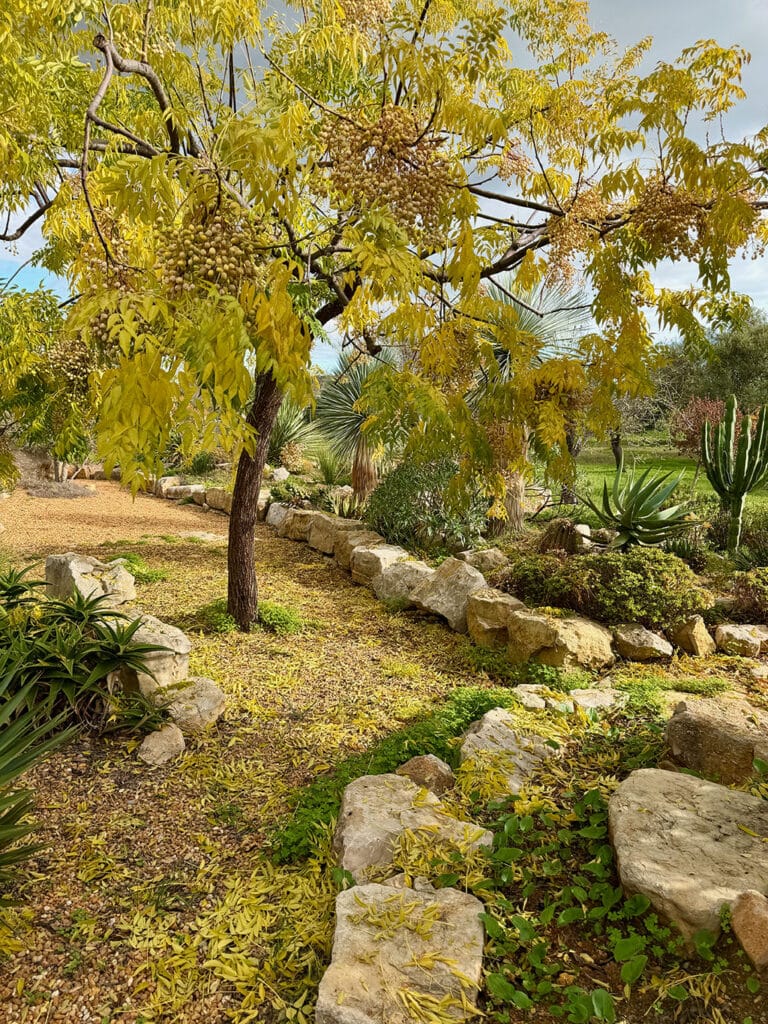
3. The gardening season usually begins in October, as the days grow shorter and the first seasonal rains arrive. The nights are cooler, and the first downpours release that rock-earth-water smell called petrichor. The autumn change of season should really be thought of as a second spring in mediterranean climates. Plants sleeping underground wake up and unfurl their leaves to the sky. The barren ground goes green seemingly overnight, covered with yellow buttercups. This is the invasive Oxalis pes-caprae, but I sort of squint and pretend it’s not a menace, so welcome are the verdant hills after weeks of Sahara. With the ground still warm but softened by rain, it’s time to plant those things you dreamed about and ordered in the summer. It’s the reverse of northern climes, where the dead of winter is time to sit down with seed catalogues and a cup of coffee and fantasize about spring. Autumn planting in mediterranean climates lets roots take hold and establish themselves, reaching deep in the earth in preparation for the warmer season’s coming challenges.
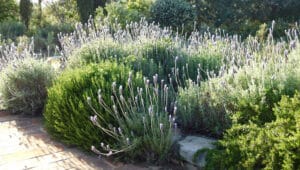
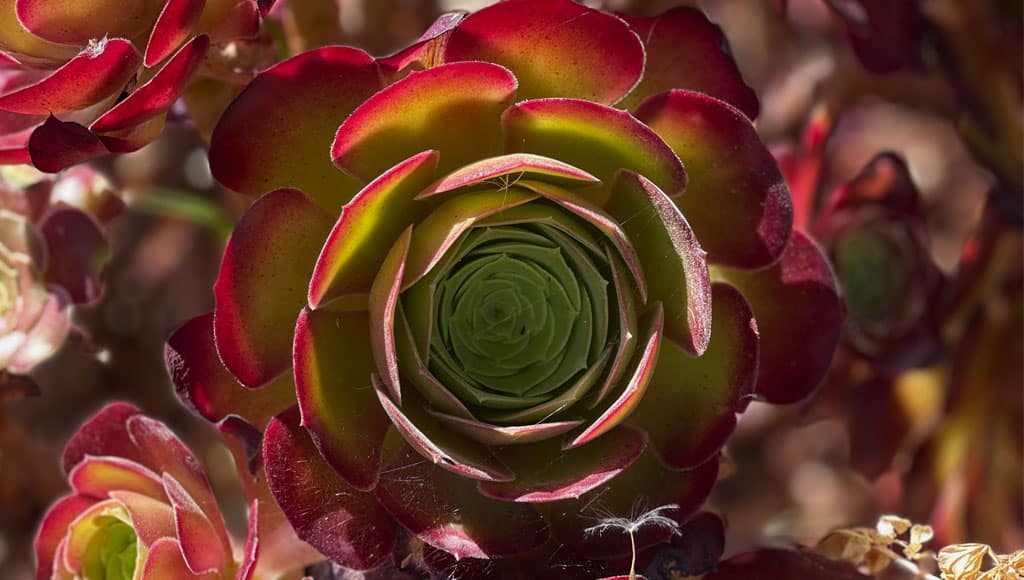
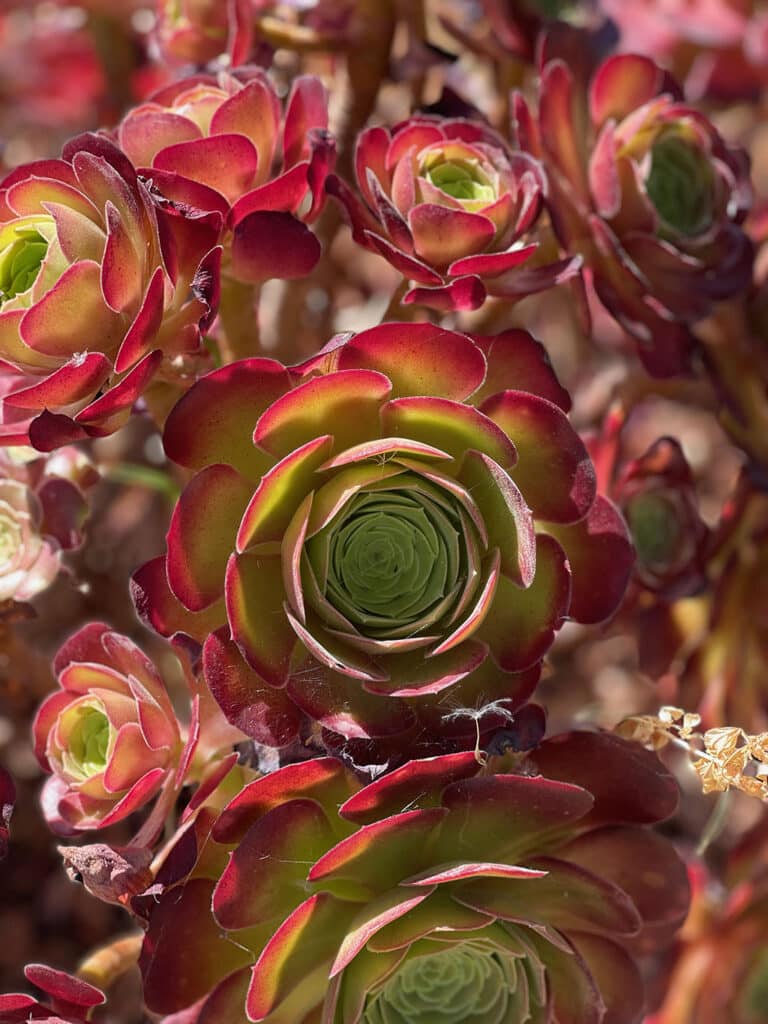
4. Water is scarce, and it’s going to get scarcer — plan accordingly. In the southern California of my childhood, our Mojave Desert town was built on top of an artesian lake, and everyone had beautiful, manicured green lawns, with the jarring view of the parched land beyond the town limits. The problem with relying on groundwater is that everyone else has the same idea, especially agricultural interests with thirsty orchards of citrus and avocado. Municipal treated water is precious and that is reflected in its cost. So, my first goal was to liberate our new property from the lawn and its irrigation system (we don’t have a borehole). In its place will be swathes of lavender, santolina and rosemary, and succulents nestled among artfully placed boulders, atop a bed of pea gravel. Does it look that way yet? Not quite, but I’ll get there! I can see it in my mind’s eye and I’m willing to move plants around when I discover errors — such as planting in the shade of our green hedge (which came with the property and requires no watering). We’ve put a gutter system around our roof that drains into two cisterns and provides enough water for outdoors in the dry season.
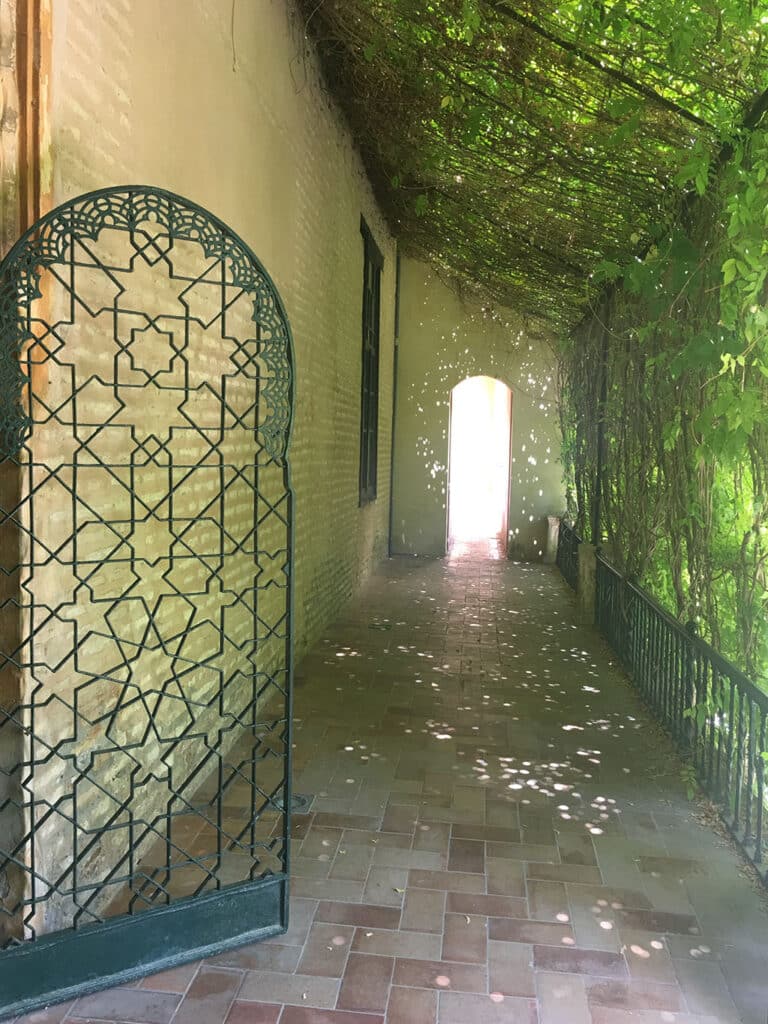
5. A garden is a refuge. The Moors, whose realm included Portugal from 711 to 1294, understood this. Their gardens were enclosed in walls, with paths and shady places to sit and reflect. The manicured lawn is an open expanse that is beautiful in its own way, but a Moorish garden provides a peaceful space for contemplation or conversation.
6. Shade is essential. The cover of trees or a vine-covered pergola is an ideal spot for a bench or garden chairs; a table for al fresco meals beckons. These spots provide different views of the garden as it changes throughout the year.
7. The fresh smell and burbling sound of water in a quiet garden is heaven. One of my vivid childhood memories is a trip my family made from our home in the desert to the foothills of the nearby Sierra Nevada mountains. The greenery and sound of water coursing over boulders in the creeks left me forever in love with the sound and smell of water. Yes, every water source has a unique smell, whether it be briny ocean or fresh. Water’s impact on well-being has been known for millennia. The positive effect of exposure to moving water may be due to negative ions, but we don’t need science to recognize its calming effects. The sound of water on a blistering hot day soothes the soul.
8. Gardens should engage all the senses. Scent is key. Isn’t it funny how a smell can trigger memories? The fragrance of orange blossoms took me back to my childhood. My planter next to the kitchen terrace is begging for scented plants to waft their perfume on the evening breeze as we enjoy a glass of wine with friends.
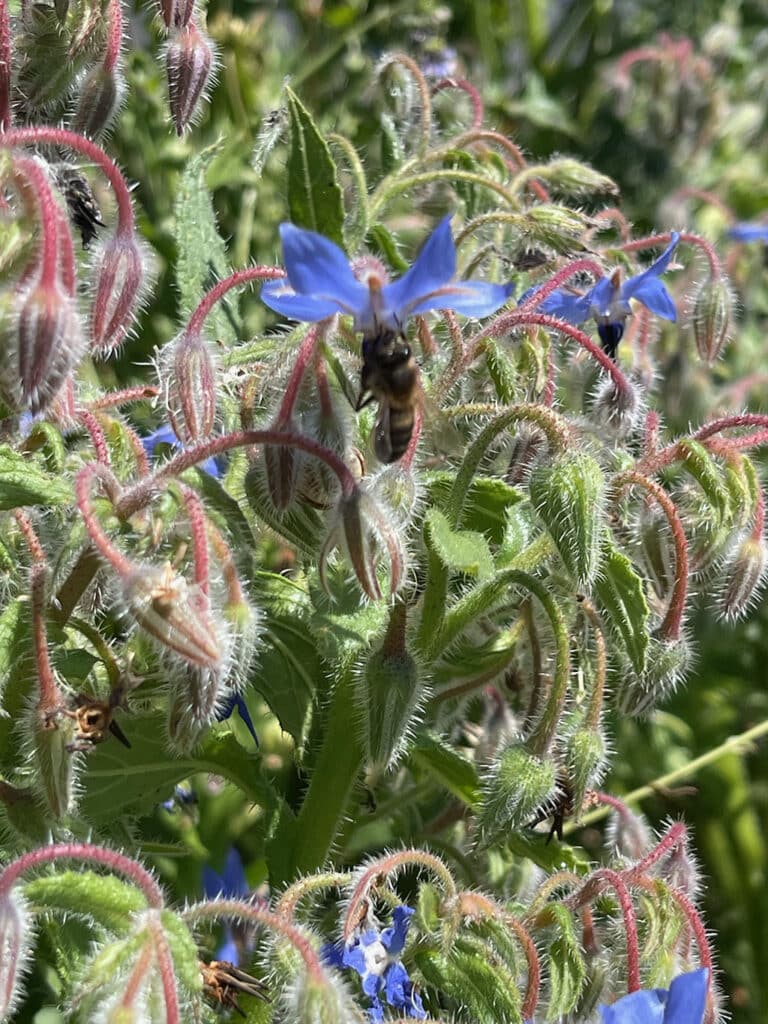
9. Think of the mediterranean garden as a sculpture, not a painting. We should envision our garden as we see it from a bench in the shade, not from above like architects’ blueprints. We experience the shapes, textures and colors of the landscape with our own eyes, not the eyes of a drone.
10. Spend time in the garden every day. It’s a place to have coffee in the morning, before it gets too hot. You don’t have to do work, but you will inevitably deadhead a few spent blossoms or marvel at buds ready to burst into bloom for the first time this season. The breath of fresh air, the scent of blossoms, the satisfaction of pulling a cheeky weed that had the temerity to lodge itself among the plantings make the day worthwhile. Scratching about in the dirt releases microbes that improve our mental health, it turns out. Contact with soil and decomposing vegetable matter exposes the gardener to beneficial microbes that improve the gut biome and have antidepressant effects. Dirty hands afforded by a daily dose of the garden is better than an apple a day.
Justine Strand de Oliveira gardens in the hills of the Central Algarve. She is a retired medical and public health educator who writes novels, essays and short fiction. Justine enjoys lifelong learning as website blog editor for the Mediterranean Gardening Association of Portugal.