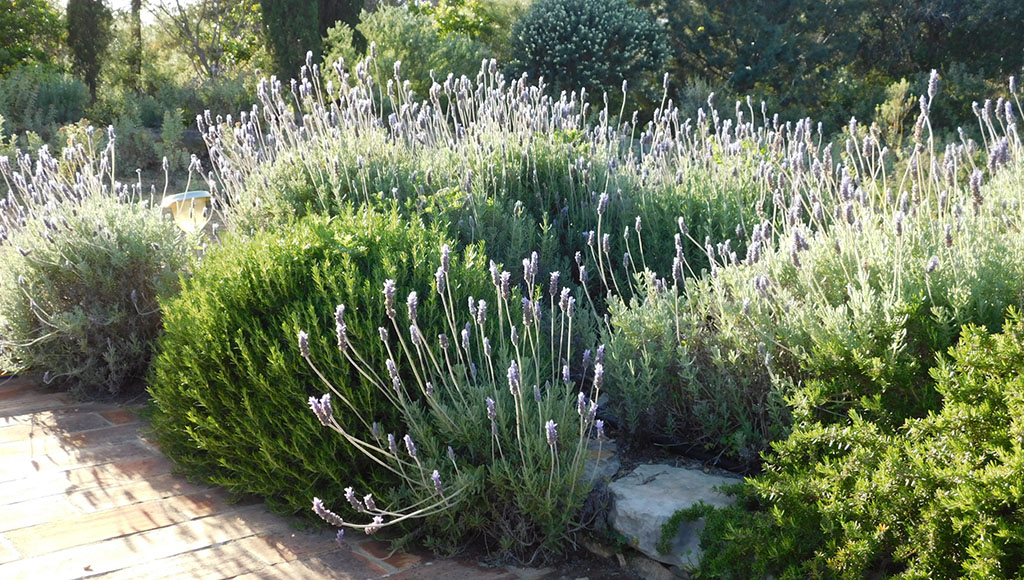
This applies if you are starting from scratch with a new garden or thinking about making changes in a smaller area which is looking tired and in need of renewal. Too often we are hesitant to be bold, when being ‘bold’ can be a huge amount of fun!
Removing shrubby plants that have outgrown their space, or that have been pruned into submission because they were planted in the wrong area in the first place, can open up new perspectives in your garden – an opportunity to experiment with different colours and textures as well as a different range of plants.
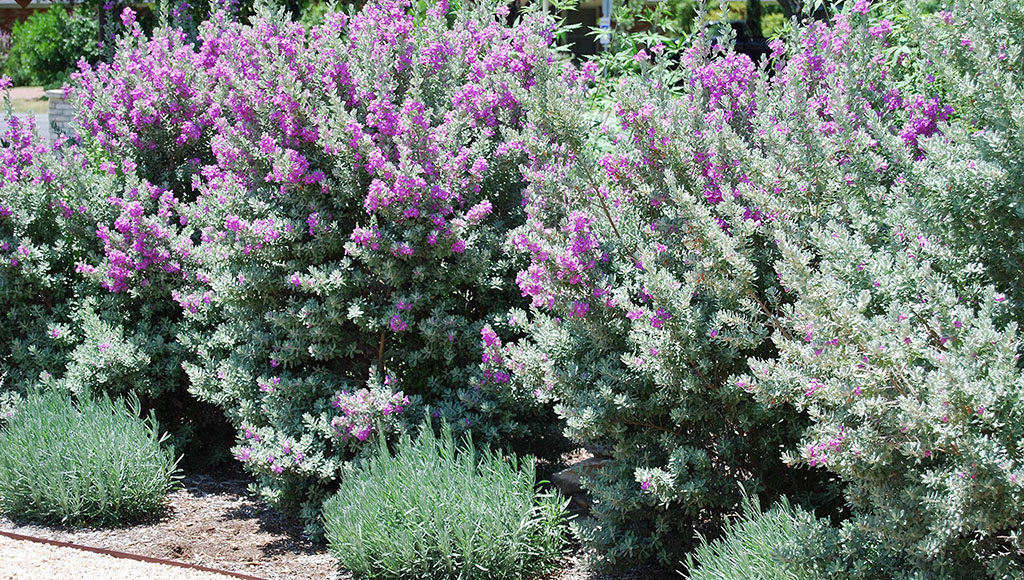
If you are fed up with your irrigation system, water bills and high maintenance cost for a lawn which always looks out of place, then be bold and get up to date with the latest trend for using drought tolerant and native plants.
This type of garden can also be planted using the golden rule – 70% mediterranean climate natives and a self-indulgent 30% experimental use of meadow wildflowers, bulbs and self-seeding annuals.
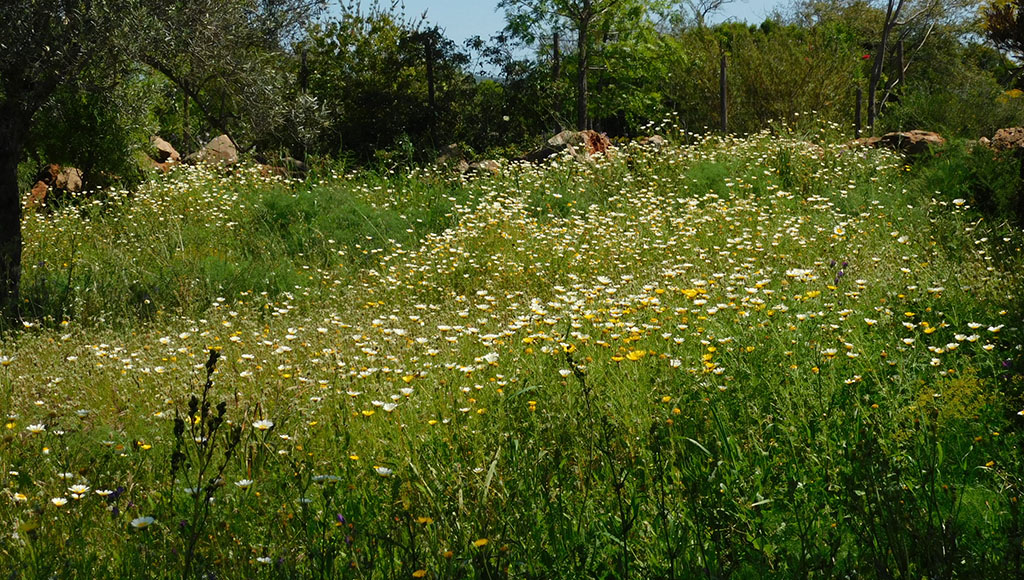
The background vegetation provides safe cover for wildlife, you will see increased diversity in bird and insect populations, and more seasonal interest. You may already have a good selection of local native plants in your garden or nearby, they will show you what can survive on no regular irrigation.
‘Follow the rule of three’ is another good rule when estimating the number of plants needed to plant a new area. This is a design principle that suggests planting in groups of three creates a natural, balanced, and visually appealing look.
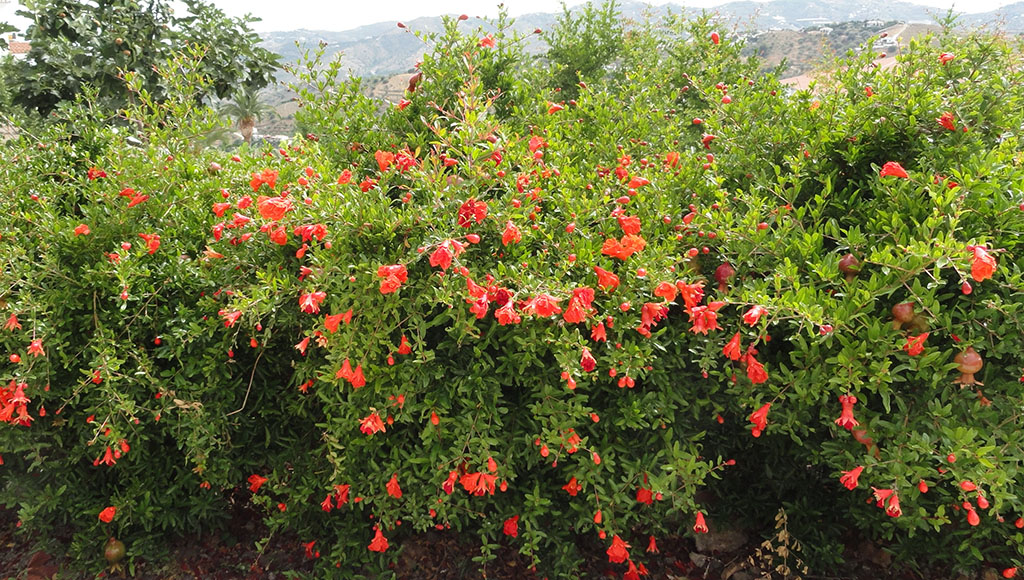
Actually, any odd number can be used to provide the same effect – plant in groups of five, seven etc. In older mediterranean gardens, groups of old cypress trees planted this way give accent points to a flat area and look fabulous.
If you want to calculate the number of plants needed for a set area, a good rule is to allow two to four plants per square metre. Depending on the type of plant, shrub or tree, you can drop this down to one per square metre.
A very common mistake is to crowd plants together in a new garden and not leave room for light, air and rain to reach each one. It is highly recommended to plant smaller plants with good root systems rather than be seduced by a larger plant in a small pot.
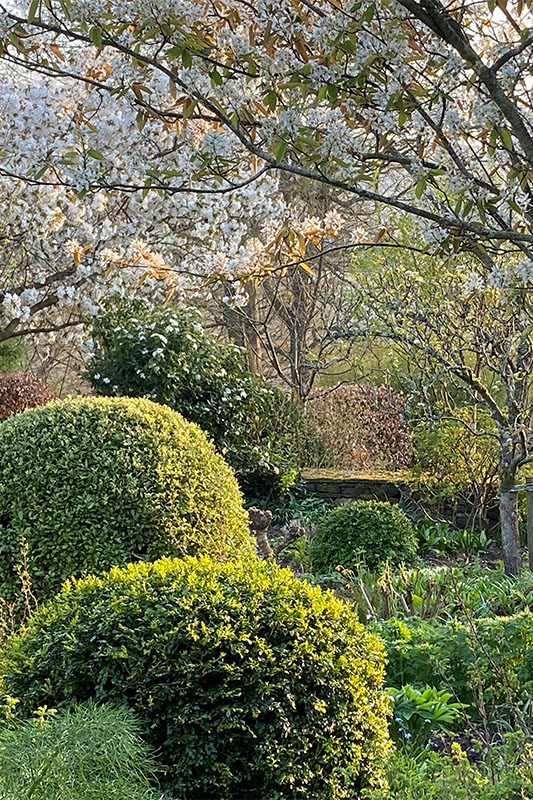
Small plants adapt quickly and will grow away better. Unfortunately, many garden centres do not make the effort to put their stock into larger pots but just drip feed the water onto even more congested root balls. Make it a habit to knock a plant out of its pot before buying! That way you will see if it has a healthy root system ready to go into the ground.
It can be daunting to make bold changes but bear in mind the rules available – these come from experience. You can benefit by having a rejuvenated garden with new interesting plants – and less maintenance!
Rosie Peddle mgapsec@gmail.com www.mgaportugal.org