The Portuguese Council for Health and the Environment has warned that “the total number of victims” of the Kristin weather-bomb disaster “is certainly much higher than the direct victims reported by the media”.
In a statement, the NGO describes authorities’ response as “clearly inadequate”.
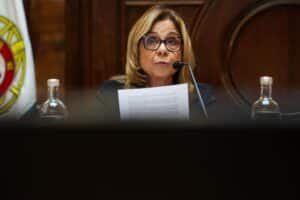
Serious effects on health services result from structural damage, failures in water and electricity supply, difficulties in accessing facilities and a shortage of professionals, leading to the total or partial inoperability of multiple establishments, said the council’s president Luís Campos, quoted in a statement.
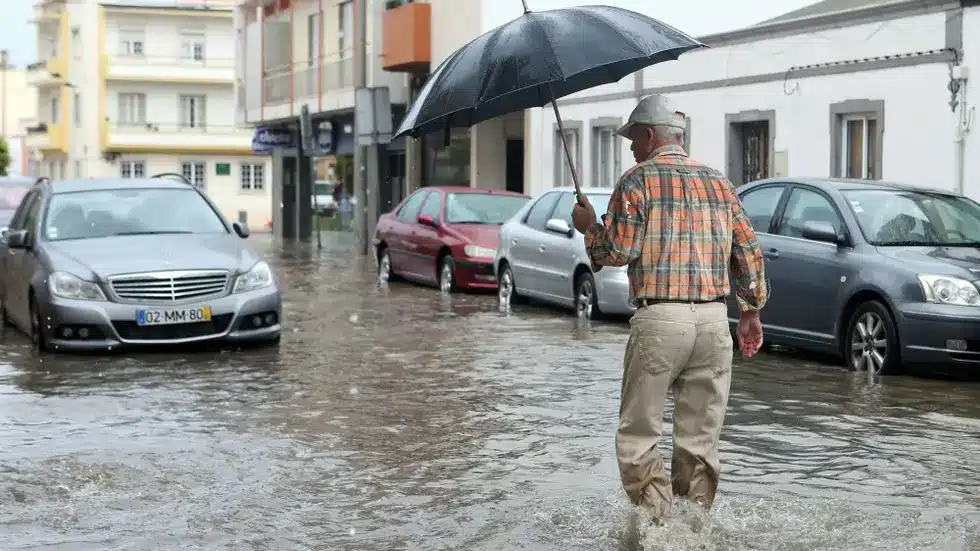
Public health problems associated with floods – which are affecting some regions of the country in a “particularly serious” way – “mean that the total number of victims of this disaster is certainly much higher than the direct victims reported by the media,” he points out.
Among the main causes are difficulty in accessing healthcare, accidents during cleaning and repair of homes, as well as an increase in waterborne infectious diseases, skin diseases, chemical contamination and mental health disorders.
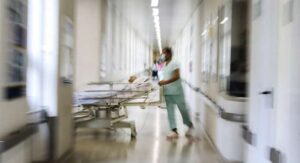
The organisation reports health services that were affected by Storm Kristin, such as Figueira da Foz Hospital, which was forced to close its operating theatre, Leiria Hospital, where consultations and surgeries were postponed and generators had to be purchased urgently, and CUF Leiria Hospital, which was closed for several days.
Health centres in Fátima and Batalha were left without water and electricity – forcing the transfer of vaccines to hospitals – while the Alvaiázere health centre was destroyed.
“In some cases, the supply of diesel was prioritised for supermarkets over health centres,” the NGO adds.
Four clinical analysis centres also had to close, “several pharmacies became inaccessible or inoperable, and patients receiving home care were also significantly affected”.
Faced with this scenario – and in a disaster situation – the NGO recommends the immediate adoption of measures such as “rapid and systematic inventorying” of health establishments with compromised operations and/ or access difficulties, and the implementation of “robust contingency plans” at local, regional and national levels.
These plans should identify and prioritise the care needs of communities and patients – including those in home care – ensuring adequate and timely responses that include the public and private sectors of the health system, as well as clear guidance to the population on possible changes in referral.
The Council for Health and the Environment – which brings together 103 organisations – also stresses the urgency of sanitation, environmental management and integrated pest control measures, including the clearing of drainage networks and the reduction of food and shelter sources for rodents and insects, to minimise the increased risks to public health.
Effective communication to the public about the precautions to be taken, and systematic monitoring of health problems resulting from the floods, including indirect victims, are also essential for an effective response, it says, arguing that “adapting the health system to climate change is a public health priority and a collective responsibility that cannot continue to be postponed“.
This far – according to official figures – 10 people have died as a result of Storm Kristin, which completely or partially destroyed homes, businesses and equipment and caused trees and structures to fall, road and transport services to be cut or restricted, schools to be closed and power, water and communications to be cut off.
Leiria, Coimbra and Santarém continue to be the districts with the most damage.
Source: LUSA