We now have the grand constellation of Orion the Hunter visible high in the southeast in the early evening. Near Orion we have Taurus the Bull along with the small star group of the Seven Sisters. Deep inside Orion we have visible the famous Orion Nebula, or M42. It’s just below the three bright stars of the belt of Orion. This cloud of hydrogen gas is 1,500 light years away and easily seen in small binoculars.
On the 7th, the elusive planet Mercury is at its greatest elongation from the Sun, and it can be seen low in the east before sunrise. In the last week of the month, it will be close to the planet Venus.
The gas giant planet Jupiter is at opposition on the 7th in the constellation of Gemini. The Moon will be close to Jupiter also on the 7th. The ringed planet Saturn is in the southwest sky, in the constellation of Pisces, during the early evening. The Moon will be close to Saturn on the 29th.
On the 13th and 14th of this month, we have the Gemini meteor shower, and on the 21st and 22nd the Ursid meteor shower.
On the 19th, the interesting comet 3I/Atlas is at its closest point to the Earth at 167 million miles distance. It will be in the constellation of Leo, close to the star Regulus. It will be rising at 11pm, but unfortunately it is extremely faint, and it would probably need an 8-inch telescope to see.
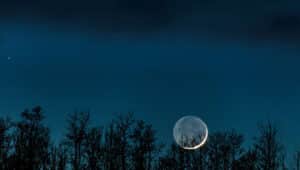
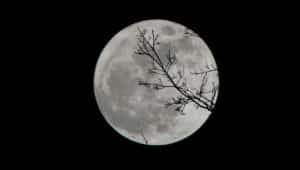
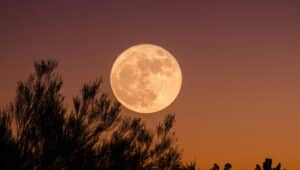
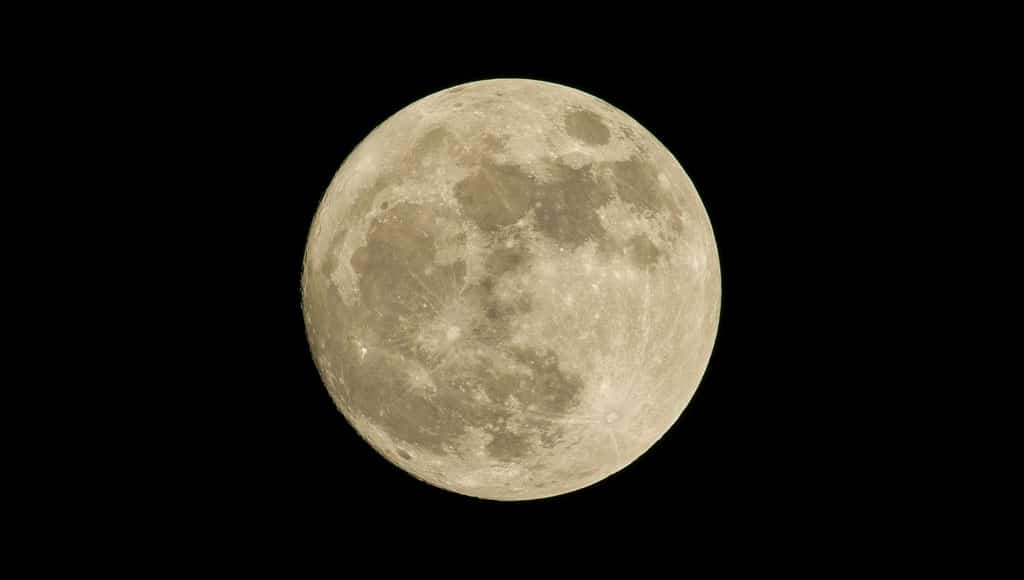
The full Moon of December 4 will be another supermoon, with it being larger and brighter than normal.
The Moon is full on the 4th, last quarter on the 11th, new on the 20th and first quarter on December 27.
Camera Obscura
281 322 527 | info@torredetavira.com | www.torredetavira.com
Read Clive Jackson’s last month’s article of November 2025 or the following month of January 2026.