Currently, the Sun crosses the celestial equator heading north. The Sun will rise in the east and set exactly in the west 12 hours later. The world will have a day and night of the same length.
The elusive planet Mercury is very difficult to see and this month, on March 7, it is in conjunction with the Sun.
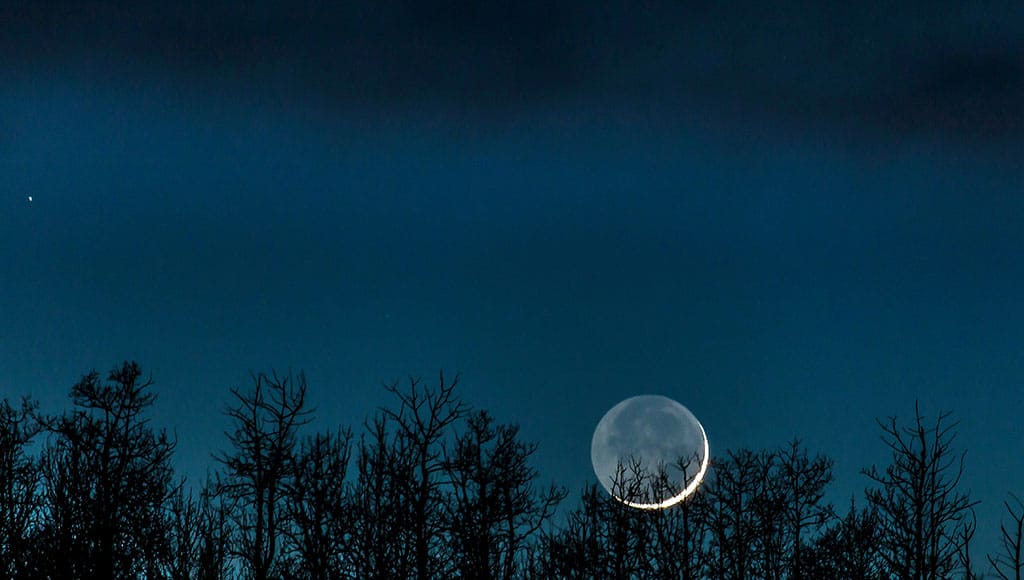
The bright planet Venus is in the evening sky and is shining at magnitude -3.8. And it sets in the west 70 minutes after sunset. On the 7th, this planet will be just over one degree away from Saturn. On March 20, Venus will be close to the crescent Moon.
The red planet Mars is not visible this month as it is too close to the Sun.
The gas giant planet Jupiter is still in the constellation of Gemini and well visible in March. It is moving towards the west as darkness falls. On the 25th, Jupiter is very close to the Moon.
This area of the sky has many bright stars with Rigel and Betelgeuse in the constellation of Orion. The very bright star Sirius is low down in the direction southwest. High up, we have Capella in Auriga, Procyon in Canis Minor and Castor and Pollux in Gemini, the Twins.
The ringed planet Saturn is now very low down in the west at night fall and, on March 25, it is in conjunction with the Sun.
Uranus and Neptune are difficult to see in March, with Neptune in conjunction with the sun this month.
Portugal will move into summertime on Sunday, March 29, with the clocks moving one hour forward.
There is a total eclipse of the Moon on March 3. Unfortunately, it is only visible from the other side of the Earth, so we will not see it in Portugal. A total lunar eclipse will not happen again until 2028.
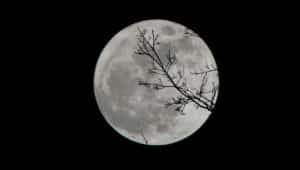
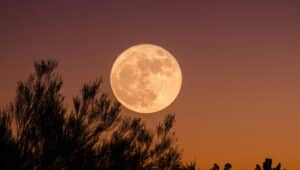
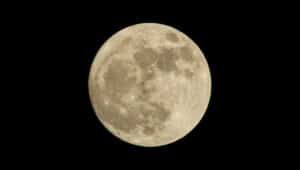
The Moon is full on March 3, last quarter on the 11th, new on the 19th and first quarter on the 25th.
Emails: planetalucido@gmail.com / cdepa@mail.telepac.pt
Read Clive Jackson’s last month’s article of February 2026 or the following month of April 2026.