Welcome to the January night sky. This is the month when our planet Earth is at its closest point in its orbit to the Sun, so making northern hemisphere winters a little less cold than they could be.
The major constellations of January are Orion the Hunter seen high in the south, Taurus the Bull close by Orion, and Canis Major containing Sirius, the brightest star in the night sky. Also, Gemini the Twins containing this month Jupiter at opposition. Also finally, Auriga the Charioteer.
This month we have several minor meteor showers, but only one good one that is the Quadrantids on the night of the 3rd. Unfortunately, this is also the full moon time, so only the best shooting stars will be seen.
The planets Mercury, Venus and Mars are close to the Sun now, so they would be difficult to see, with Mercury at solar conjunction on the 21st. Venus is also at solar conjunction on the 6th and Mars on the 9th.
The gas giant planet Jupiter is at opposition to the Sun on the 10th in the constellation of Gemini. This will be the closest point to the Earth at 4.23 astronomical units that is about 300 million miles away.
The ringed planet Saturn can still be seen low in the southwestern Sky at sunset. It is in the constellation of Aquarius and Pisces. Uranus is in the constellation of Taurus and Neptune is in the constellation of Pisces.
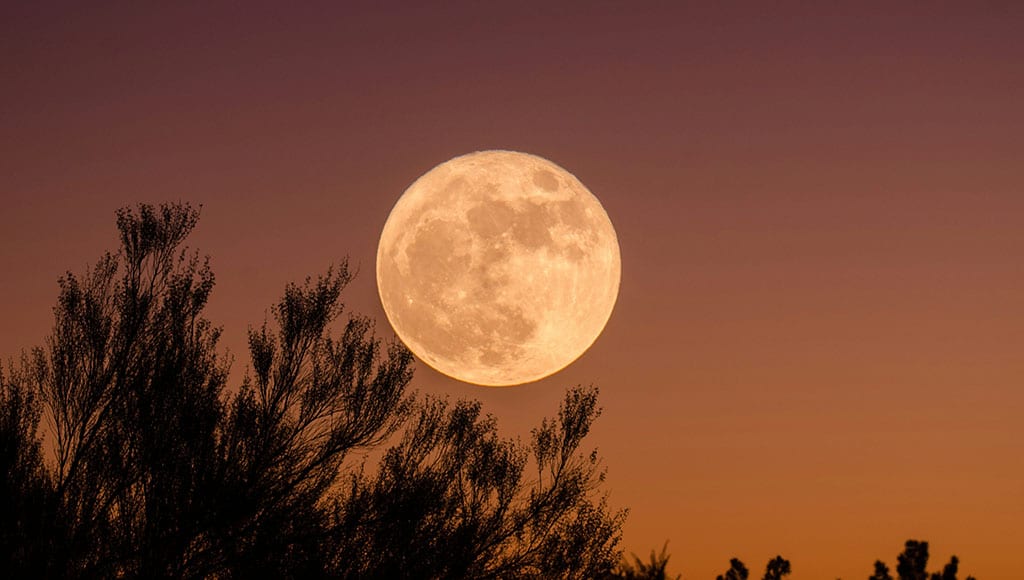
The very thin crescent Moon is close to Venus on the 19th and close to Saturn on the 23rd. Also, the Moon is close to Jupiter on the 31st. The January 3 full Moon is a Supermoon and the first of three Supermoons in 2026.
The Moon is full on the 3rd, last quarter on the 10th, new on the 18th and first quarter on January 26.
Camera Obscura
281 322 527 | info@torredetavira.com | www.torredetavira.com
Read Clive Jackson’s last month’s article of December 2025 or the following month of February 2026.