The spread of Christian Judaism
Jews in their traditional roles as traders, money lenders, tax collectors and advisors to the ruling class had been present for at least six centuries before the birth of Christ.
Members of the seafaring tribe of Dan had arrived with their Phoenician cousins, but most had crossed from North Africa where communities had been established along the coast from Alexandria to Tangiers. Many were descended from the children of Israel, but a substantial number were converts from other nations such as the Berbers and also included some soldiers and household slaves. It was to this group, known as the Sephardim, that the first evangelists addressed the message of Christ’s Gospel.
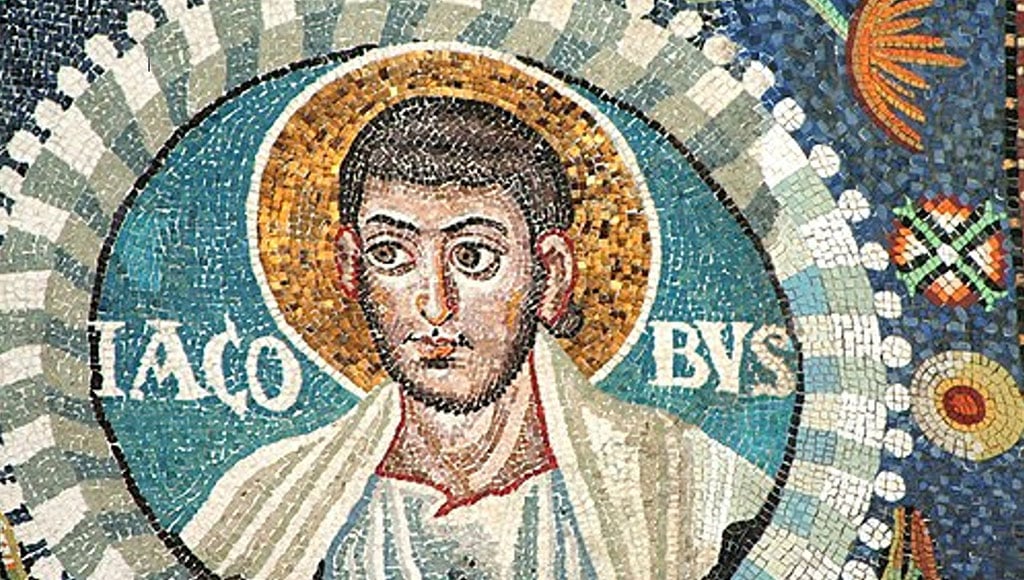
The eminent Portuguese historian Emanuel de Faria e Sousa (a Knight of the Order of Christ) tells us that the apostle James preached in the vicinity of Braga during the reign of the infamous Emperor Caligula (37-41 AD) and wrought many miracles.
These included the raising to life “by extraction” of a Jew called Samuel Malachias who claimed descent from the Prophet Urias. He was duly consecrated as the first bishop of Braga only to suffer martyrdom at nearby Rates.
Another convert from Judaism named Torquatus was similarly martyred near Guimarães: again, by the “neighbouring people”. Before sailing to England, James appointed several other bishops, but there is no record of their names or Acts.
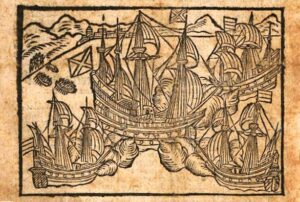
However, there is a legend that when the decapitated corpse of James was returned by sea, a local prince appeared onboard with crosses and seashells adorning both him and his steed. This was interpreted as being the Will of God that the prince’s tribe should convert to Christianity and accompany James to his sepulchre. With his horse trotting above the waves to the shore, the prince did as bidden and led the cortege into Spain.
For succeeding years, there is very little recorded of the expansion of Reform Judaism-Christianity, which was persecuted along with other cults seen to threaten the political hegemony of emperor worship, but it seems certain that other bishoprics were established and that congregations increasingly consisted of non-Jews.
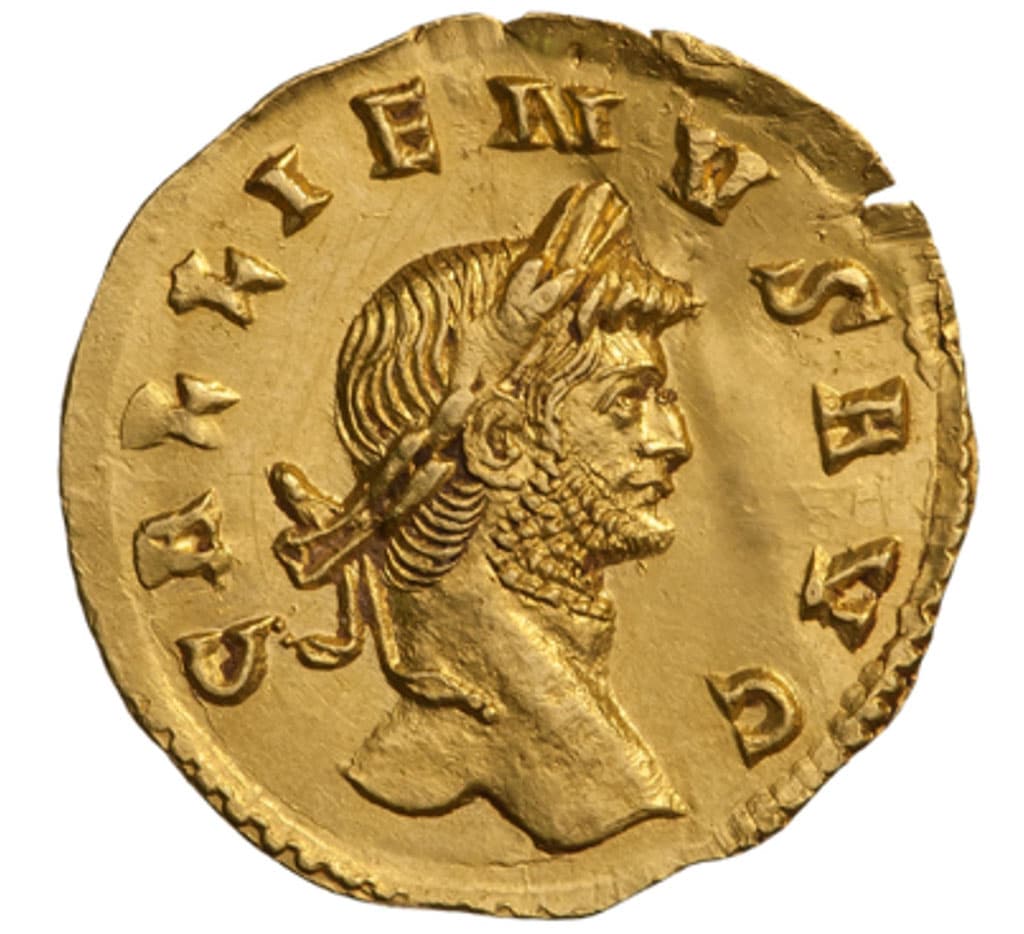
In the year 267 AD, a great plague came out of the East and raged so violently that many Lusitanian cities were left desolate and with famine. The scourge was blamed upon the Christians who had suffered persecution since the time of Decius (249-251 AD) and many were martyred until the Emperor Gallienus intervened.
However, the damage had been done and two idolatrous bishops, Marcellus and Basilides, had renounced their faith. Pope Stephen moved for clemency, but a synod convened at Braga rejected this and the ecclesiastical hierarchy elected new bishops and deacons.
In the first decade of the fourth century, the Synod of Elvira in Baetica was attended by the bishops of Emerita, Ebora and Ossónoba (Faro) and altered canon law so that a greater distinction was made between the duties and power of clergy and laity.
It also ostracised the Judaists and reduced the status of women to that of vassals with obligation to obtain the permission of the male head of household for even the most mundane of acts.
The Synod was followed in year 313 by the Edict of Toleration signed in Milan by the western Roman Emperor Constantine I (with Licinius of the east), which benevolently gave the Christians a legal status and ended their persecution.
Shortly before his death in 337, Constantine was baptised by Arius, a presbyter from Alexandria who had diverged from orthodoxy by preaching a simplified form of Christian faith which rejected the consubstantiality of the Christ. His successor, Constantius 2, continued to follow Arianism which spread rapidly throughout the Empire and included adherents such as Potamius, the first bishop of Lisbon.
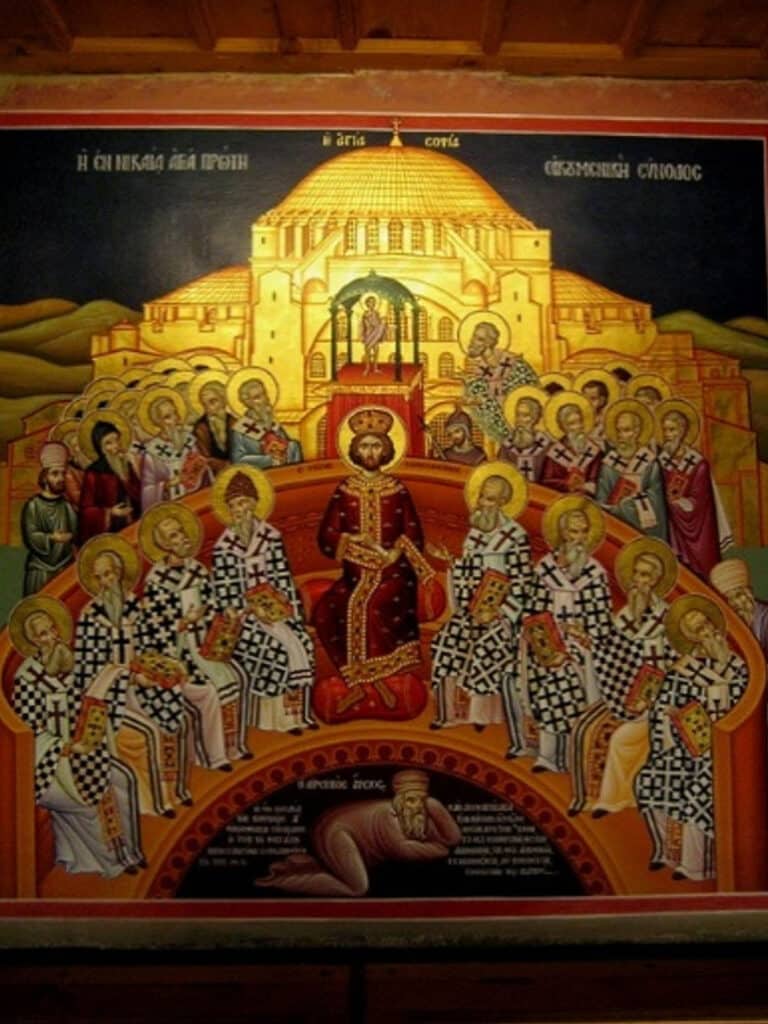
But it was also vigorously opposed by proponents of the creed agreed at the ecumenical council of Nicene in 325 and controversy raged until 380 when the Emperor Theodosius removed the Arian archbishop of Constantinople and issued the Edict of Thessalonica, which declared Arianism as being heretical and established Nicean orthodoxy as the Great Church of Rome.
In Lusitania, the tendency towards Arianism and non-conformism had been boosted in 370 by the Priscillian movement whose founder had been born in Galicia (340) to a wealthy noble family. He condemned the corruption and opportunism of the clergy and advocated an ascetic Christian faith based upon the study of the Gospels and scripture plus the abstinence from excesses such as consuming meat and wine.
An emancipatory policy towards the role of women in church and social activity brought their support and his teachings were popular among the laity who were tired of religious hierarchy wrangles concerning the trinity of Godhood.
Supported by the bishops Instantius and Salvianus, Priscillian was consecrated as bishop of Avila and his doctrine spread across the north-west of Hispania with control of the church’s property. This was immediately opposed by the metropolitan bishop of Ossónoba (Faro), Itácio Claro, and the clergy of the south-west who brought accusations that Priscillian was a secret follower of the Parthian prophet Mani (who was regarded as an equal to the Christ, Zoroaster and Buddha) with indulgence in magic, witchcraft and astrology.
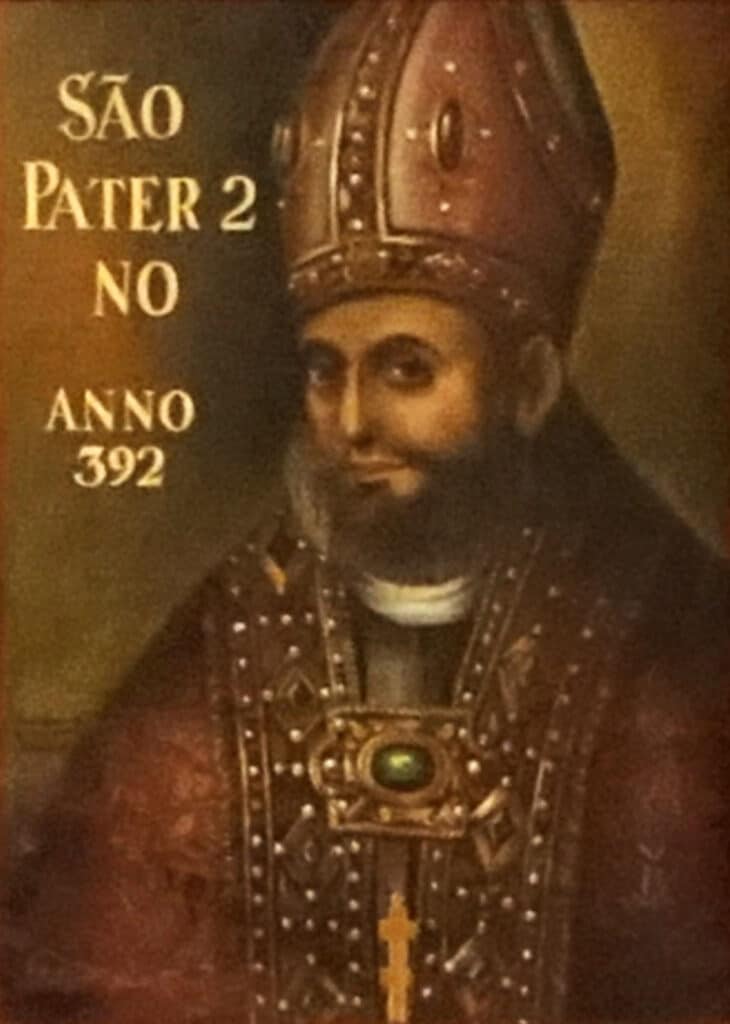
The dispute was referred to papal authority and Priscillian was found guilty although absent. However, he and his supporters journeyed to Rome and the decision was reversed; the sees of the three bishops were restored with all authority and Itácio was himself arrested on a charge of “perturbing the church”.
But this good fortune did not last long. In 383, Magnus Maximus, the Roman governor of Britain rebelled and defeated the Emperor Gratian to become master of the western empire. Maximus was pro-Nicaean and ordered a rehearing of the complaints made by Inácio, but in a secular court, on charges of sorcery which was a capital offence and would result in the confiscation by the State of all personal property.
Under torture, Priscillian confessed and, with five of his adherents, was executed by the sword in 385.
In summary, the course of Christianity before the disintegration of Empire in the fourth century was tortuous following the path of persecution, toleration and eventual adoption, but the way was paved for orthodox Roman Catholicism to become the future religion of State.
This assimilation was aided by the wisdom of the Christian elders in adopting some local pagan practices especially in regard to funeral rites.
Detailed information about the spaces of death in the south of Lusitania are amply illustrated by Dr. Carlos Perreira of Lisbon University in “The Roman Necropolis of Algarve” published in English in 2015 by Archaeopress.