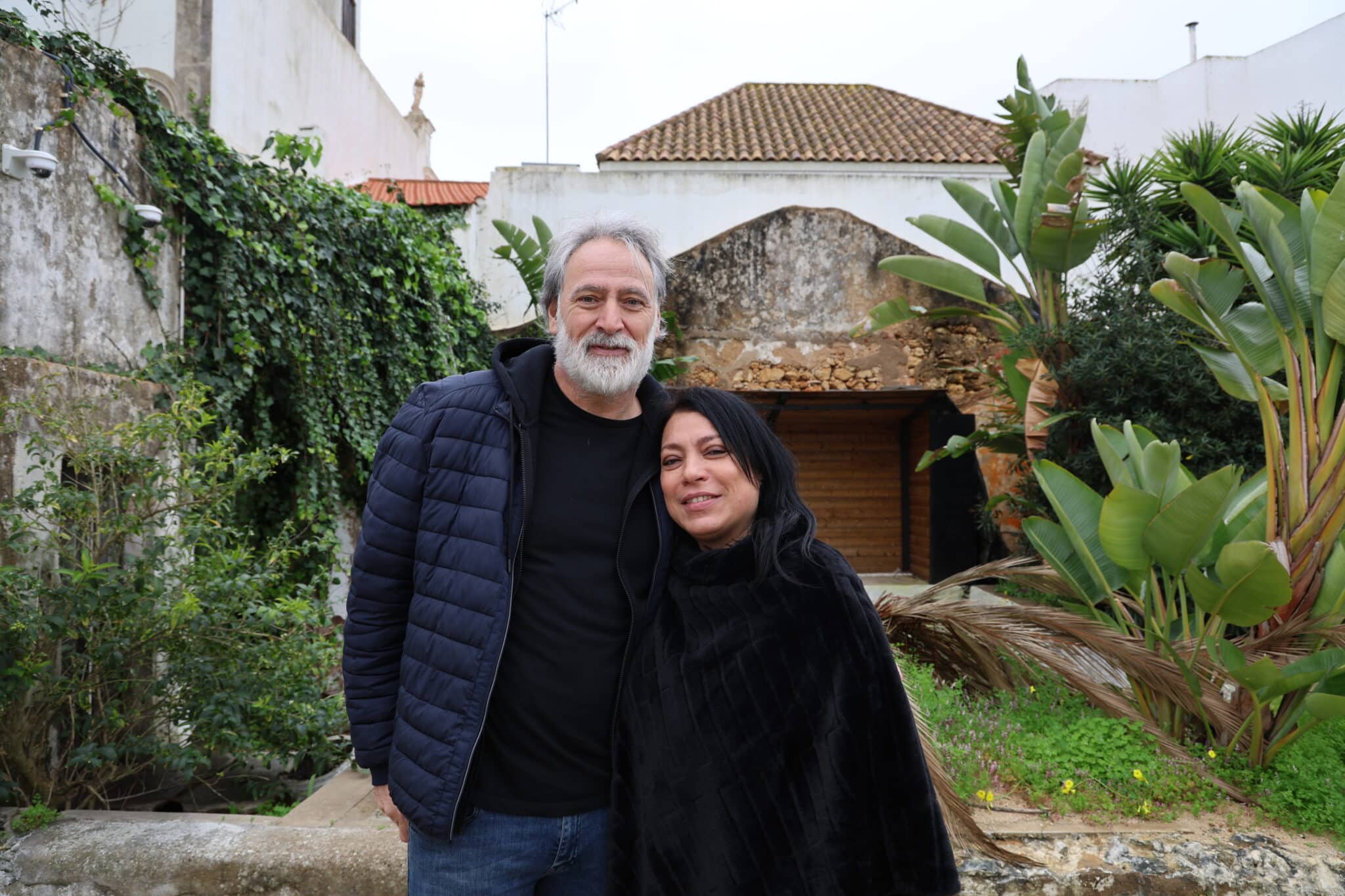
For over two decades, Três Macacos has been a fixture of Ferragudo’s social life – a place where locals, expatriates and visitors of all ages gather on warm summer nights for live music, conversation and a drink. Now, its future is in doubt.
The bar’s manager, Markus May, a German national who has lived in the Algarve for decades, says Três Macacos may be forced to close following a decision by the municipal council of Lagoa, after repeated noise complaints lodged by the owner of a neighbouring property.
“We are being asked to comply with noise limits that cannot realistically be met, even when the bar is closed,” Markus told The Resident.
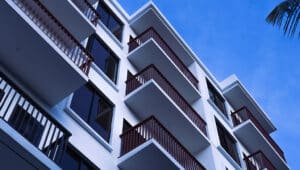
According to the bar manager, the origins of the issue date back to 2018 when the building adjacent to the bar was converted from a commercial space into a residential property, reportedly a holiday home. During the licensing process, he claims, the municipality failed to properly verify whether the building met the legally required acoustic insulation standards for a mixed-use area where nightlife venues already existed.
“The house simply does not have the necessary insulation,” he says. “It has an open-tile roof and a ventilated wooden ceiling. By law, it should never have been approved for residential use without major acoustic works.”
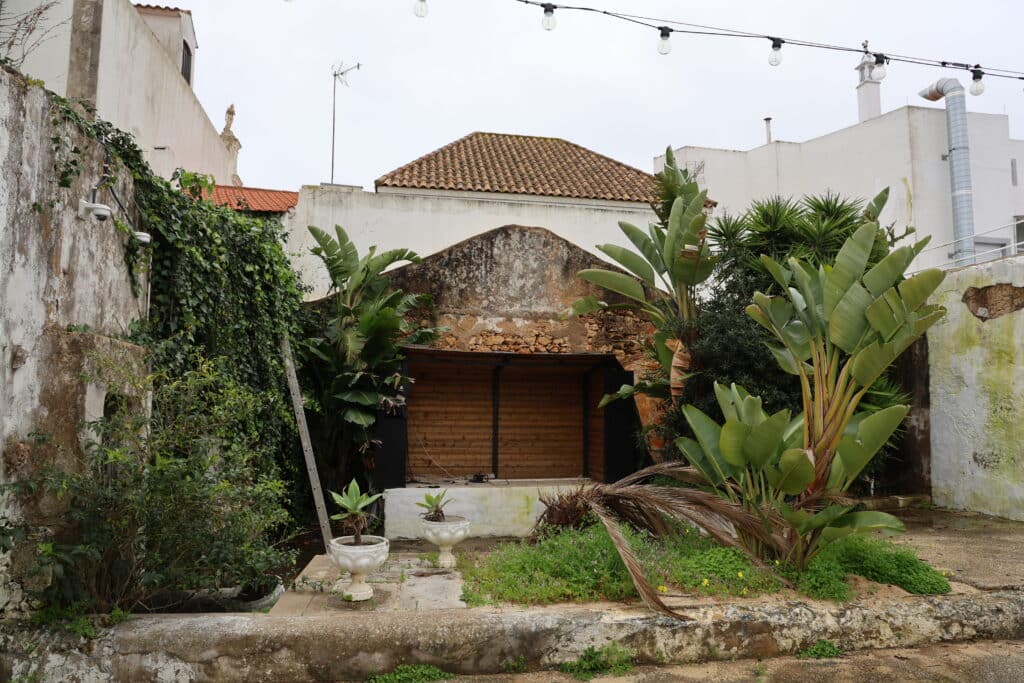
Três Macacos, by contrast, has operated in the same location for over 20 years, with no previous noise complaints on record. Markus describes it as a family-friendly venue, frequented by a wide range of age groups and open mainly during the summer season, typically between 9pm and 2am, for five to six months of the year.
Since the complaints began in 2022, Markus says the bar has fully cooperated with authorities and the neighbour, investing thousands of euros in soundproofing measures, new equipment and operational changes. These include relocating the outdoor live music stage so that sound is directed away from the neighbour’s roof.
“We tried to resolve this amicably from day one,” he says. “We did everything that was asked of us.”
Despite these efforts, complaints have continued. The latest decision from the council requires Três Macacos to reduce noise levels to 50 decibels at the neighbouring property and to erect additional acoustic walls – an investment estimated at around €8,000.
However, technical experts have already confirmed that the proposed walls would make no meaningful difference, he says.
“Fifty decibels are the sound level of a fridge or a silent office.” he says. “It’s impossible. Even with the bar closed, the microphone installed in the courtyard has recorded levels above 50 decibels, simply from ambient noise.”
During The Resident’s visit to Três Macacos, this concern was evident. While the bar was closed and no music was playing, the sound-monitoring equipment installed in the outdoor area was already registering around 40 decibels, caused solely by ambient noise, including wind. Markus pointed out that this background level leaves almost no margin before breaching the 50-decibel threshold imposed by the council, even in the complete absence of customers or amplified sound.
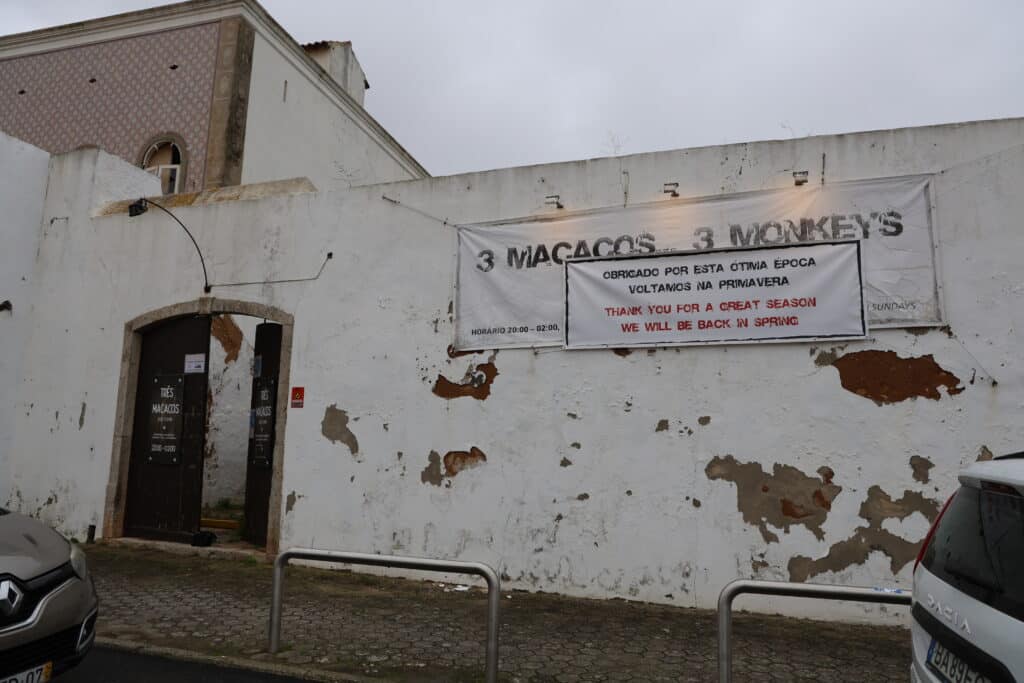
“We are being punished for an administrative error”
For Markus, the core issue is what he describes as a municipal failure that is now being shifted onto a local business.
“The council made a mistake in 2018 by approving a house without proper acoustic insulation,” he says. “Instead of acknowledging that, they are trying to ‘solve’ the problem by suffocating a legal business.”
He also questions why the municipality has not required the homeowner to carry out an acoustic insulation test on their own property, a step Markus believes would clearly demonstrate that the problem lies with the house itself, not the bar.
“This is an inversion of responsibility,” he argues. “The investor who complied with the law is being punished, while the structural problem goes unexamined.”
Beyond the legal and technical arguments, Markus stresses the human cost of a possible closure. Três Macacos employs around 10 people, many of whom depend on seasonal work to get through the year.
“I don’t know if they’ll have jobs this year,” he says. “I’ve already had to cancel a wedding party because I simply don’t know if we’ll be allowed to open.”
He describes the bar as deeply rooted in the community. “Everyone knows us here. Families come with children. This is not a late-night nightclub playing loud dance music. It’s a calm, relaxed bar with live music.”
The bar’s lawyer is expected to raise the issue at the next municipal assembly meeting, where Markus hopes elected representatives will scrutinise the council’s decision-making process. If that fails, court action is not being ruled out.
Meanwhile, an online petition “in defence of Três Macacos” has already been signed by over 1,100 people.
Council insists noise is “above legal limit”
In response to The Resident’s queries, the municipal council of Lagoa says its decision is based on the fact that “legal noise limits are not being met by the bar.”
Following the complaints made by the bar’s neighbour, the local authority ordered an official noise assessment test (Avaliação Acústica para Verificação do Critério de Incomodidade) in 2025, carried out by a company certified by IPAC (Portugal’s institute for accreditation).
“The study concluded that, despite the bar installing a sound limiter and building an acoustic structure around the live music area, the legal noise limits under the General Noise Regulation are not being met, particularly the Nuisance Criteria (Critério de Incomodidade),” the council says.
“Consequently, the bar owner was notified to implement the necessary measures to comply with the General Noise Regulation, namely through reinforcing existing acoustic barriers at the bar, or enhancing soundproofing at the complainant’s residence, depending on which property holds the most recent license.”
“After legal review and a council meeting, it was decided to temporarily suspend the bar’s noisy activities and allow 30 days for the situation to be regularised,” the council confirmed.