Whilst many records are kept on the hottest chilli in the world, including in the Guinness Book of Records, establishing what is the hottest, naturally occurring chilli is rather challenging.
On the one hand, by meddling with these plants for years, we managed to achieve many beautiful and flavourful varieties. On the other, by doing so we removed ourselves further away from understanding what the progenitor of this abundance was.
Having said that, many sources on the subject point at the little but mighty chiltepin pepper. Native to Mexico and named after a flea (in Nahuatl language, a compound word combining chil-, or “chile pepper”, and -tecpintl, or “flea”), it is one of the early domesticated species.
The tiny red berries of chiltepins are only 5-7mm in diameter, but they pack a punch of up to 100000 SHU. This pepper dates back as far as 7000-9000BC, and it’s often referred to as “the mother of all peppers”.
It might seem that heat is the only thing that chillies can offer. Well, it is quite the opposite. Most of these peppers are wonderfully aromatic. Ranging from citrusy to earthy, fruity, chocolaty and grassy, they can complement the cooking in so many ways, and the Mexican cuisine can serve a great deal of inspiration here.
One way to start is to add a handful of jalapeños into a salsa or guacamole. Then, there are the numerous tacos, enchiladas or chilaquiles, where a tortilla base takes on a myriad of toppings, ranging from vegetables to meats and mushrooms, all of which love a touch of a chilli.
There is also the iconic cochinita pibil, a Yucatecan slow-cooked pork that is commonly served with a beautifully radiant orange habanero, that either could be left alone, or consumed by those seeking extra heat in their dish.
Ultimately, any meat or bean stew can always be customised with a little chilli on the side to make it extra heartwarming and cosy.
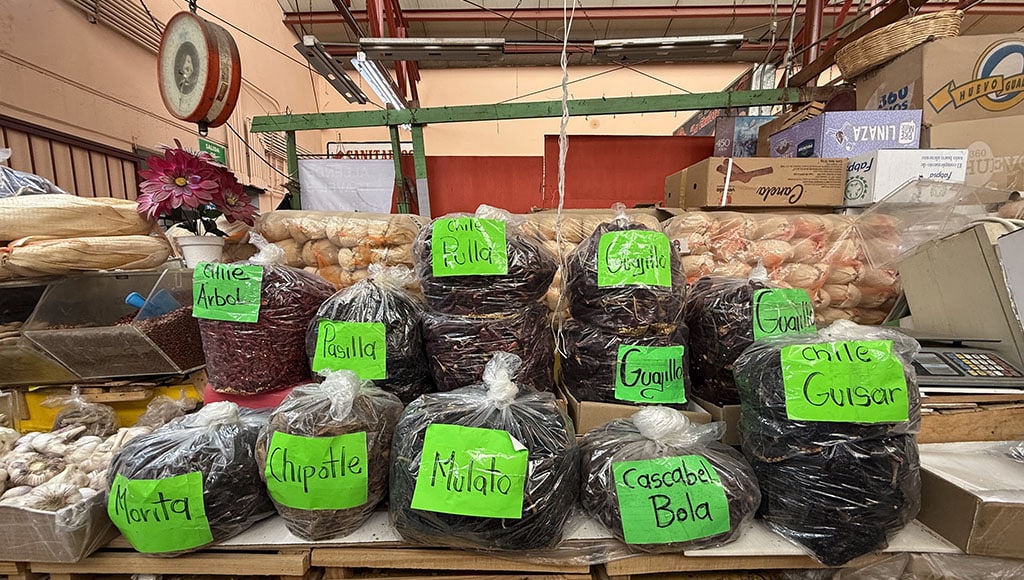
Notably, the dry form of chillies is as popular as the fresh ones. Drying doesn’t only concentrate the flavour and give chillies a longer lease of life, it also grants them the new identity. In this way, jalapeño becomes chipotle, poblano becomes ancho, chilaca turns into pasilla, and so on.
Ground into powder and mixed with sugar and/or lime, dried chillies are a perfect way to garnish your margarita glass and elevate your drinking experience.
Often underrated, but an undoubtedly magnificent use of dried chillies is in jams and sweets where it helps balance the sweetness and gives it that extra kick.
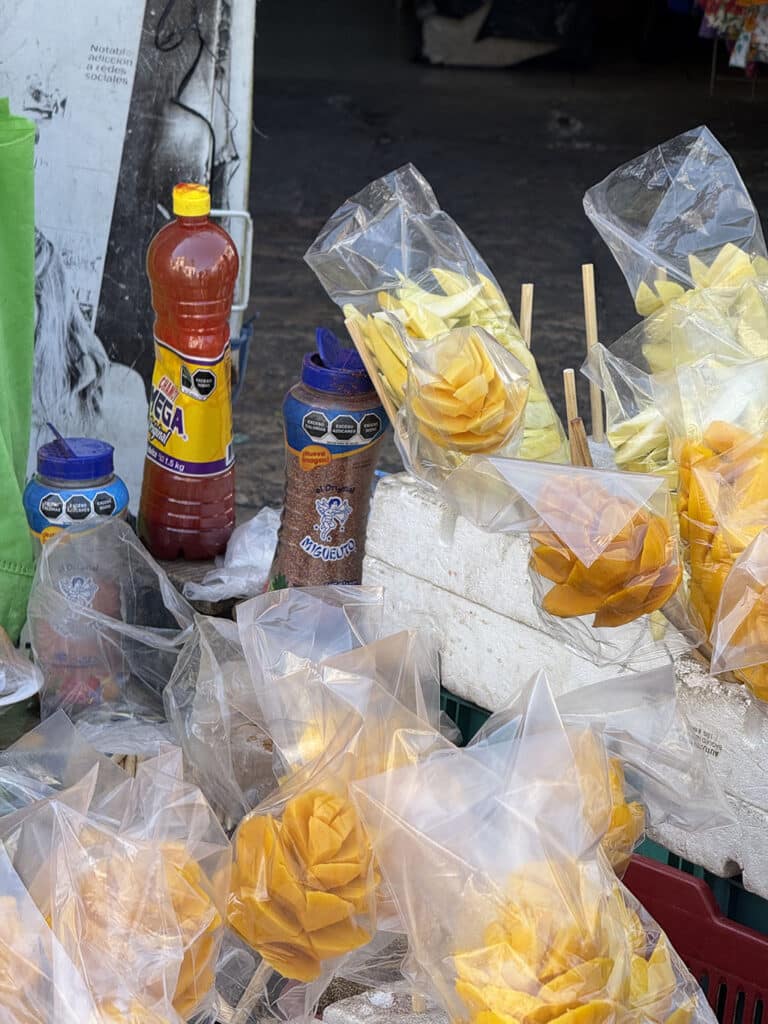
Applying their own creativity on the subject, Mexican fruit vendors dose their pre-cut fruits with a squeeze of a chilli sauce, and locals love it.
Be it fresh or dried, many chillies love a bit of charring. This comes as a result of a Mexican culinary technique called tatemar (the term comes from Nahuatl “tlatemati”, meaning “to burn” or “place in the fire”). Fierce and powerful, it involves roasting ingredients directly over an open flame, on a comal (a griddle) or in the hot ashes. The heat exposure intensifies natural flavours, adding depth, smokiness, and sweetness to the ingredients.
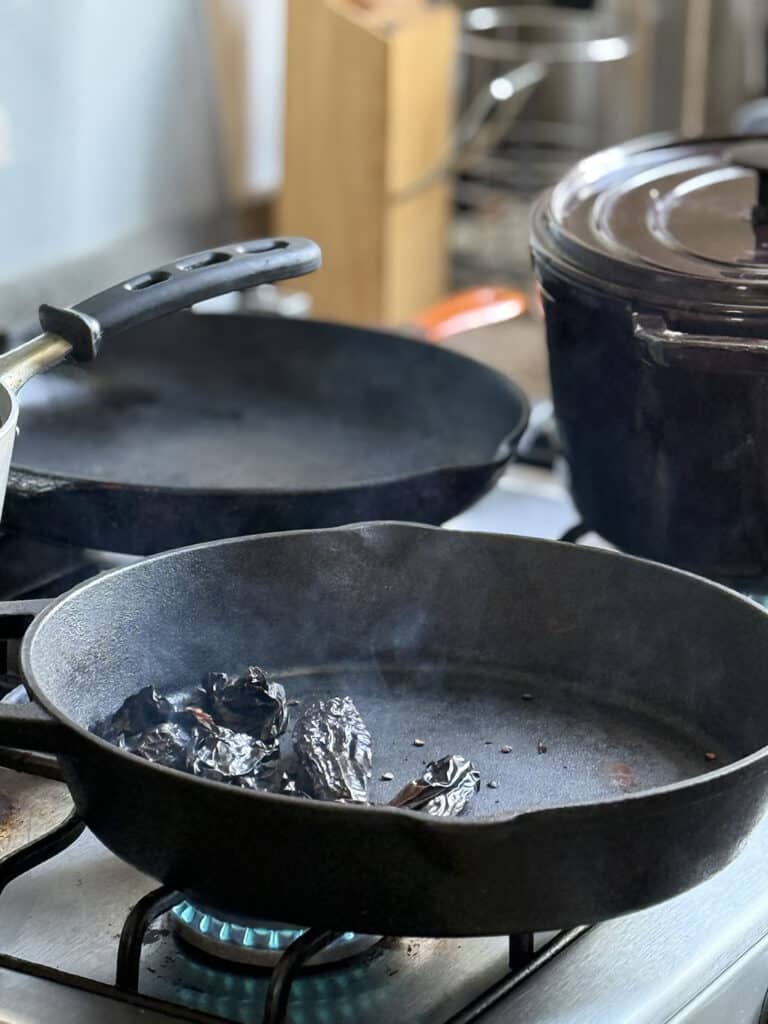
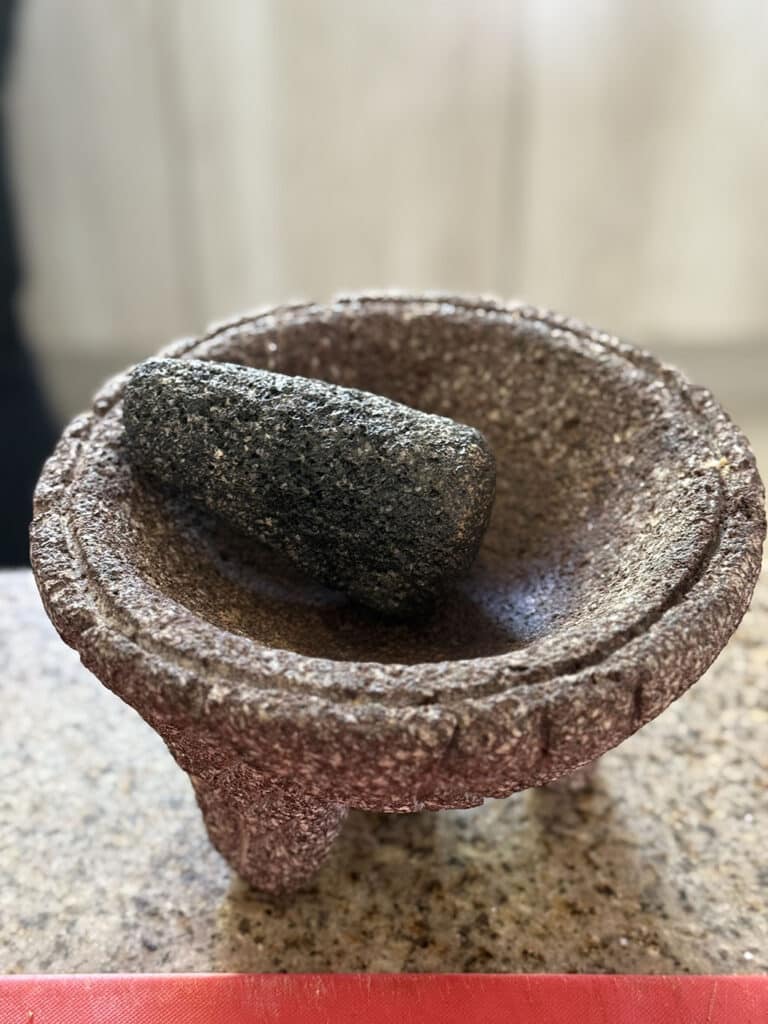
Having been charred, chillies proceed to have a date with the molcajete* to be ground into a salsa, salsa tatemada. On this occasion, dried chillies sometimes take a sidestep to be rehydrated first.
For these unbroken bonds with the history, culture and community, as well as for the preservation of the original culinary techniques and ingredients, the Mexican cuisine is one of the few cuisines in the world that is recognised as a part of the UNESCO Intangible Cultural Heritage. The use of the chilli pepper is integral to this heritage. Their beautiful shapes and colours cordially invite us to recreate Mexican flavours at home.
More importantly, they extend a warm invitation to explore and expand our culinary repertoire. It doesn’t matter how and when we choose to add chillies to our food, as long as it gives us joy and excitement. Options are limitless when we are having fun!
*Mexican grounding device made out of volcanic stone. Used often in preparation of salsa.