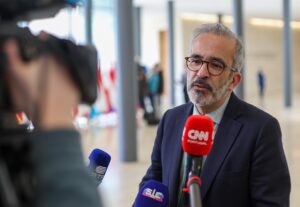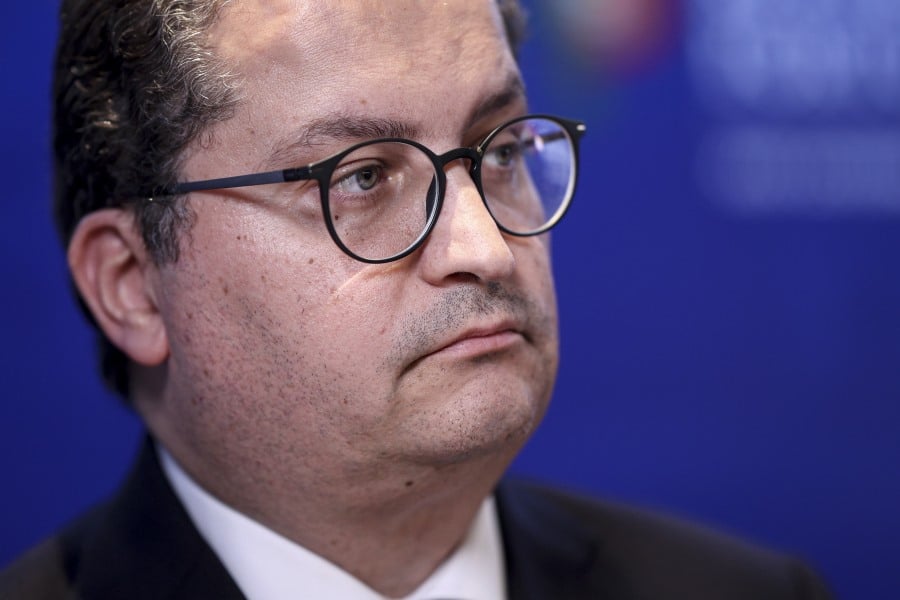
Portugal’s finance minister, Joaquim Miranda Sarmento, has dismissed the possibility of reducing IVA (VAT) on certain food products to help families through the current economic crisis, saying it would be absorbed by the production and distribution chain rather than helping consumers.
Addressing the Committee on Budget, Finance and Public Administration (COFAP), the minister said that it is relatively well established in economic literature that IVA cuts on non-regulated goods, like food, often leads to savings being captured by producers and distributors.
In response to the issue raised by far-right CHEGA MP Eduardo Teixeira, Miranda Sarmento said that if he believed tax relief resources should be channelled towards the industry instead of the public, that was a policy choice for his party to make.
His justification follows a statement made by the prime minister on March 27, confirming that interventions regarding IVA on fuel or certain foods were not currently under consideration, in the context of measures to support people through the constraints caused by the conflict in the Middle East.
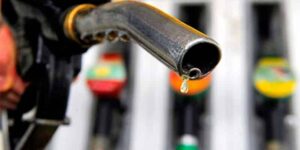
Miranda Sarmento also rejected claims that the state is profiting from increased IVA revenue due to rising diesel and petrol prices – saying that taxpayers are currently benefiting from a corresponding discount on fuel tax.
Discounts of nearly 10 cents on diesel and 5 cents on petrol represent the exact amount of additional IVA generated by price hikes, which is then reduced via the fuel tax, he said, pointing out that the same mechanism had been applied in 2022 by the government of António Costa (Socialist).
Commenting on data Statistics Portugal (INE) released today, showing inflation rising to 2.7% in March, Miranda Sarmento described the figures as “clear”, saying the increase was a direct result of rising fuel costs.
Source: Lusa