As spring approaches once again, we would like to remind pet owners, walkers and animal lovers across Portugal to remain alert to a seasonal but very real danger: processionary caterpillars. While they may appear harmless at first glance, these insects pose a serious risk to pets, wildlife and even humans.
What are processionary caterpillars?
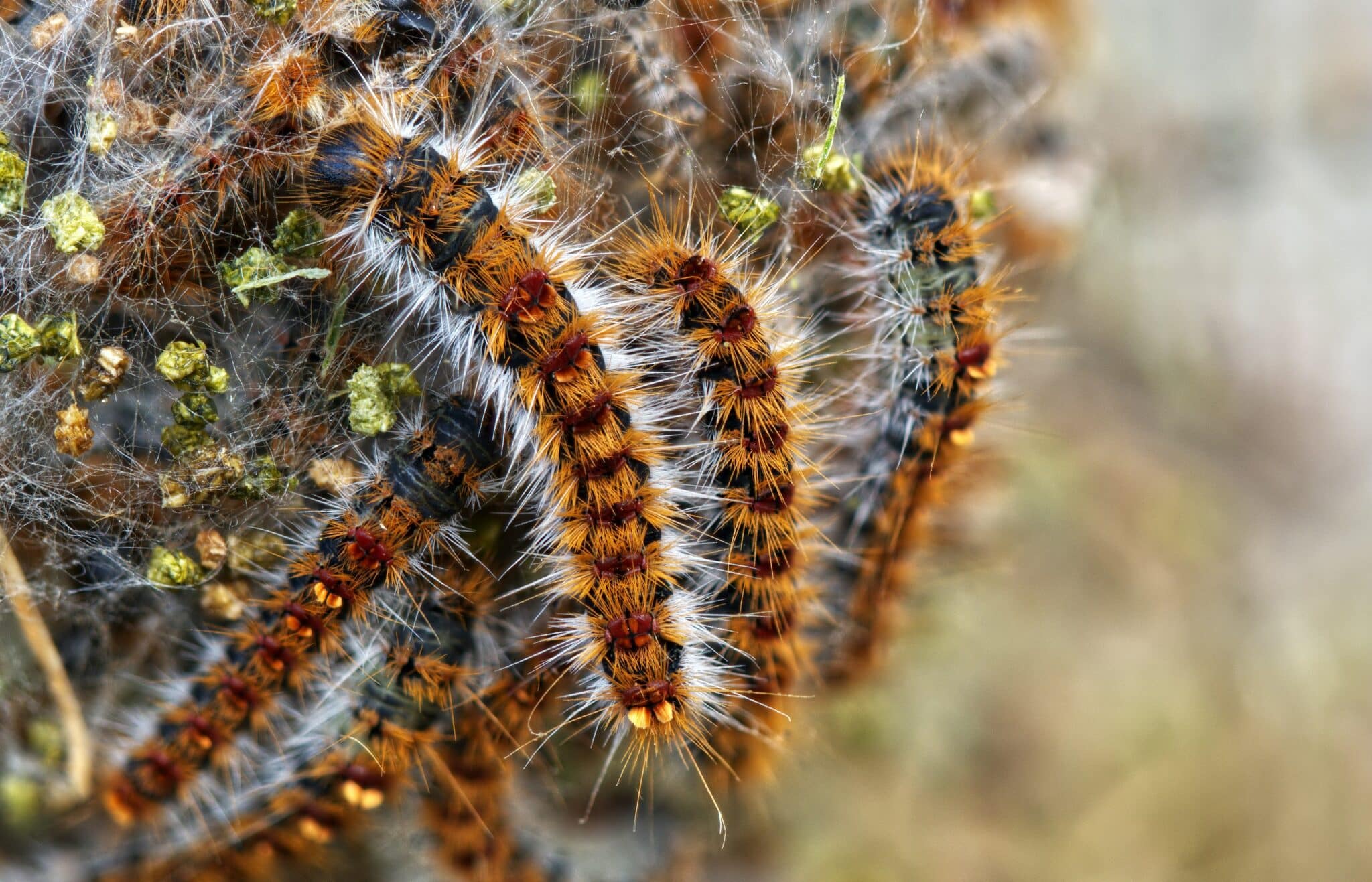
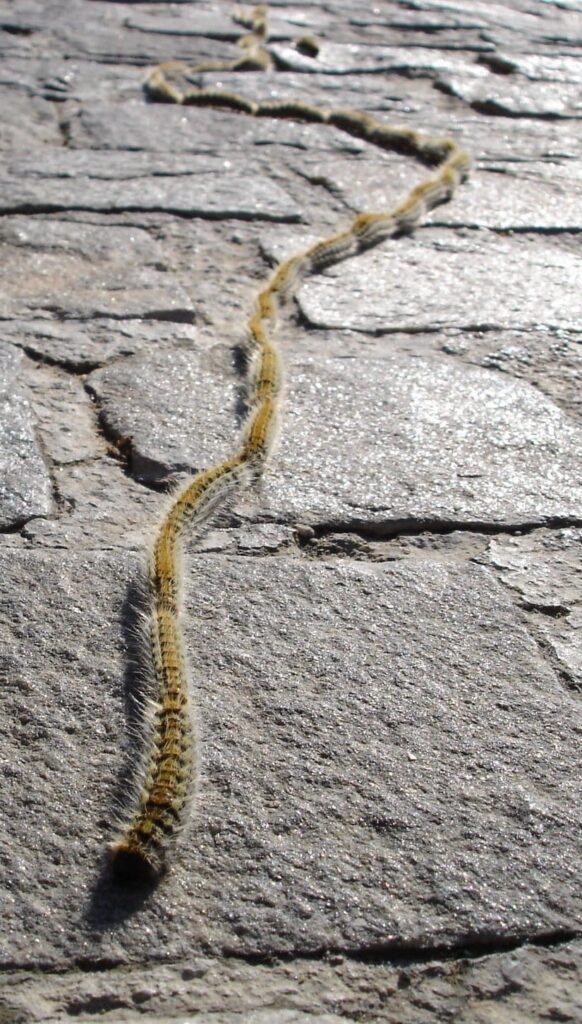
Processionary caterpillars (Thaumetopoea pityocampa) live in pine trees and are easily recognised by the long nose-to-tail lines they form as they travel across the ground in search of a place to pupate. Their bodies are covered in thousands of microscopic toxic hairs capable of causing severe allergic reactions.
Late winter and early spring mark their peak activity period, meaning the coming weeks are when extra caution is most important — particularly in areas with pine forests and rural walking routes.
Signs to look out for:
- Caterpillars on the ground – Often moving in distinctive processions near pine trees, sandy paths or grassy areas.
- White nests in trees – Cotton-like cocoons high in pine branches indicate an active infestation.
- Pet distress – Symptoms after contact may include excessive drooling, swelling of the tongue or face, pawing at the mouth, vomiting, or difficulty breathing. In severe cases, tissue damage to the tongue can occur and become life-threatening.
What to do if your pet is exposed
- Act immediately – Contact a veterinarian without delay. Fast treatment can prevent serious injury.
- Do not touch – Avoid handling caterpillars or affected areas with bare hands, as the hairs can irritate human skin and eyes.
- Rinse carefully – If safe to do so, gently flush the affected area with water to help remove hairs, but seek veterinary care straight away.
- Monitor closely – Follow professional advice and watch for worsening symptoms.
A familiar seasonal hazard
At this time of year, we are more than familiar with finding and dealing with processionary nests in the areas surrounding the shelter. Their presence each season is a reminder that these hazards are not limited to forests — they can appear close to homes, footpaths and everyday walking routes.
Prevention is key
- Avoid walking dogs near pine trees during peak season.
- Keep dogs on a lead where caterpillars may be present.
- Report nests to local authorities or forestry services for safe removal — never attempt to remove them yourself.
The safety and wellbeing of animals remains our priority. By staying informed and vigilant, we can help prevent unnecessary suffering and keep our pets safe during the spring months.
For updates and advice, follow us on social media or visit our website.